
It happens every month. The clock ticks, the symptoms arrive, and suddenly you are snapping at your partner over nothing. You can’t find your keys. You can’t focus in that 2 p.m. meeting. You want chocolate. Or pizza. Or both, eaten in secret after the kids are asleep. Your clothes feel tight. Your skin feels greasy. You look in the mirror and feel like a stranger.
We call it PMS. Premenstrual Syndrome.
Some treat it like a punchline. An excuse to eat junk food and be difficult. A biological loophole. But if you have ever had a cycle that left you exhausted, bloated, and emotionally raw, you know it is not a joke. Doctors classify it as a genuine medical condition. For many women, it is debilitating. It stops them from living their lives.
Defining the Condition
So, what exactly is PMS?
It is a cluster of hormonal shifts. These changes trigger physical and emotional responses. The timing is specific. Symptoms usually start 7 to 14 days before bleeding begins. They stop once the period starts. If you are post-menopausal, you do not get PMS. It only happens during childbearing years.
Up to 40 percent of menstruating women experience these symptoms. For most, it is a mild annoyance. They take a nap. They eat the chocolate. They move on. But for about 5 percent of women, the impact is severe. It interferes with work. It ruins relationships. It demands attention.
Diagnosing the Invisible
There is no single blood test for PMS. There is no scan that lights up on an X-ray. Diagnosis is tricky because there are more than 150 possible symptoms. That is a huge range. It makes it easy to miss.
Doctors rely on patterns. They look for symptoms that align with the menstrual cycle. They also rule out other conditions. If the timing matches and other causes are eliminated, PMS is the likely culprit.
Keeping a symptom diary is the best tool you have. Track your mood. Track your physical pain. Track your energy levels. Do this for at least two cycles. The pattern will emerge.
What Else Could It Be?
Before accepting a PMS diagnosis, you must rule out other issues. Many conditions mimic PMS. Anemia causes fatigue. Hypothyroidism slows you down. Diabetes changes your energy. Eating disorders distort your relationship with food. Alcohol abuse affects your mood.
Other possibilities include:
- Oral contraceptive side effects
- Perimenopause
- Dysmenorrhea (painful periods)
- Chronic fatigue syndrome
- Endometriosis
- Autoimmune disorders
If you have unexplained weight gain, persistent sadness, or severe pain, see a doctor. Do not assume it is just “the month.”
The Symptom List
The list of potential PMS symptoms is long. It varies from woman to woman. It can even vary from cycle to cycle. Some months are easy. Others are brutal.
The symptoms fall into two main categories: psychological and physical.
Psychological Shifts
- Mood swings. Crying for no reason.
- Depression. Anxiety. Anger. Sadness. Irritability.
- Brain fog. Trouble concentrating. Memory lapses.
- Libido changes. Increased or decreased sex drive.
Physical Reactions
- Digestive issues. Upset stomach. Diarrhea. Constipation.
- Fatigue. Exhaustion that sleep does not fix.
- Sleep problems. Insomnia.
- Headaches. Migraines.
- Bloating. Fluid retention.
- Acne. Breakouts.
- Breast tenderness. Pain.
- Joint or muscle pain.
- Cramping.
- Cravings. Especially for carbs, chocolate, and sweets.
- Weight gain. Temporary, usually from water retention.
Why It Matters
Ignoring PMS is not a solution. If your symptoms are mild, lifestyle changes might help. If they are severe, you need help. You do not have to live in pain. You do not have to accept that this is just “who you are.”
In the next section, we will look at the root causes. We will discuss what triggers these hormonal shifts. And more importantly, we will discuss how to find relief. Not just coping. Relief.
The journey to understanding your body is not linear. It requires patience. It requires data. It requires honesty. Start tracking. Start listening. The answers are there, if you look.
The Hormone Rollercoaster
Let’s get one thing straight: science still doesn’t have a definitive answer for why PMS hits some women like a freight train while others barely notice. The consensus? It’s a messy cocktail of hormonal shifts, genetics, what you eat, and your current mental load.
The timing is the most obvious clue. Symptoms usually flare in the luteal phase—that window seven to fourteen days before your period starts. If your cycle is a textbook twenty-eight days, you’re likely tracking the fallout of ovulation.
Here is what happens under the hood. Five days in, your ovaries pump out estrogen. This hormone thickens the uterine lining, prepping the ground for a potential embryo. By day fourteen, the egg drops (ovulation), and the real drama begins. Your body shifts into high gear, ramping up both estrogen and progesterone. If no sperm shows up to fertilize that egg, hormone production crashes. That drop triggers the uterine lining to shed, and suddenly, your period starts. The PMS symptoms? They usually pack up and leave within a day or two of bleeding beginning.
But why the mood swings? Why the rage over a misplaced spoon? It’s not just the hormones themselves. It’s how they talk to your brain.
Chemical Messengers
Estrogen and progesterone don’t just float around; they interact with neurotransmitters—chemical messengers in your brain that dictate mood, anxiety, and pain perception. When those hormones fluctuate, these chemicals go haywire.
- Serotonin : This is the “feel-good” guy. It regulates sleep and mood. When estrogen dips during the luteal phase, serotonin levels often follow suit. Low serotonin means you’re more prone to depression, irritability, and those intense cravings for carbs. You’re not weak; your brain chemistry is literally starving for stability.
- GABA : Gamma-aminobutyric acid is your nervous system’s brake pedal. It helps calm anxiety and depression. Progesterone can boost GABA activity, which might explain why some women feel unusually relaxed or drowsy before their period.
- Endorphins : These are natural painkillers. They reduce pain intensity and boost pleasure. Hormonal shifts can mess with endorphin levels, potentially making you more sensitive to physical discomfort or less able to self-soothe.
- Norepinephrine and Epinephrine : These drive your stress response. They spike your heart rate and blood pressure. Estrogen fluctuations can alter their levels, turning minor stressors into major physiological responses.
Some experts argue the problem isn’t high or low levels of these hormones, but the ratio between estrogen and progesterone. Others say it’s about how your individual brain interprets those chemical signals. The studies often contradict each other. It’s frustratingly complex.
The Genetic and Mineral Factor
Why is your sister so sensitive while you’re immune? Heredity might be part of the puzzle. If your mother or sisters have severe PMS, your odds go up. We haven’t proven the specific gene yet, but the family history link is strong.
Beyond the big hormones, other players are in the mix:
- Mineralocorticoids : These regulate fluid balance. When they go rogue, you hold onto water. That explains the bloating that makes you feel like you’ve gained ten pounds overnight.
- Prolactin : Usually reserved for pregnancy and breastfeeding, this hormone can spike pre-period, leading to tender, swollen breasts.
- Cortisol : The stress hormone. An imbalance here is a direct ticket to anxiety and insomnia. One study found that women with PMS-related depression had distinctly different nighttime cortisol levels compared to those without symptoms. Another showed lower nighttime cortisol in those same women. It’s a bidirectional relationship: stress worsens PMS, and PMS worsens stress.
Diet and PMS
You can’t control your genetics. You can’t force your hormones to stay static. But you can control what goes into your body. Nutrition acts as a buffer, or a trigger, depending on your choices.
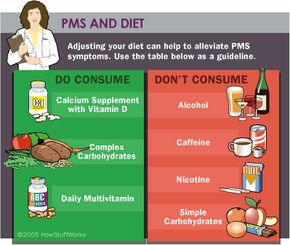
What to Eat (and What to Avoid) to Tame PMS
We don’t have a definitive map of how food directly changes PMS. But the data points in one direction. Increasing complex carbohydrates before your period can boost serotonin. Low serotonin is often tied to the depression that comes with PMS.
Think whole grains. Vegetables. These are good for you now. But simple carbs? Sugary snacks. White bread. They often do the opposite. They can trigger water retention and make irritability worse.
Experts also suggest looking at your vitamin intake. A daily multivitamin with folic acid is essential. It supports fetal growth if conception happens. Calcium supplements with vitamin D are another key player. They keep bones strong. They may also help ease PMS symptoms.
Vitamin B6 is sometimes recommended for depression linked to PMS. But clinical proof is thin. High doses—500 mg to 2,000 mg daily—can cause nerve damage. So tread carefully.
Dieticians often suggest small, frequent meals. Three big meals might swing your blood sugar up and down. That instability can make PMS symptoms feel heavier.
Foods to Skip
Certain foods are off the menu if you want to reduce discomfort.
- Caffeine. It increases nervousness, irritability, and can ruin sleep.
- Alcohol. It acts as a depressant. This can deepen low moods.
- Salt. It promotes water retention and bloating.
- Nicotine. It affects PMS symptoms similarly to caffeine. Plus, it’s just unhealthy.
A 2005 study highlighted the power of nutrients. Women who ate diets rich in vitamin D and calcium had a lower risk of developing PMS. The threshold was specific: at least 1,200 mg of calcium and 400 IU of vitamin D daily. Researchers aren’t sure why this works. It might relate to how calcium influences estrogen during the cycle.
Some believe low levels of calcium or magnesium disrupt nerve-cell communication. Others point to hypoglycemia (low blood sugar). But these links remain unproven clinically.
Lifestyle Tweaks for Milder Symptoms
Diet is only part of the equation. For milder PMS, lifestyle shifts can help. Exercise is a major one.
Workouts raise levels of beta-endorphins. These chemicals improve mood and behavior. Aim for at least three sessions a week. This can reduce anger and fight off the stress that PMS brings.
Stress doesn’t cause PMS. But it worsens symptoms. Techniques like meditation and yoga can help lower that stress load.
When Medication Becomes Necessary
If diet and exercise aren’t enough, you might need help.
Over-the-counter pain relievers like acetaminophen (Tylenol) or ibuprofen (Motrin) handle cramping and minor aches.
There are also products marketed specifically for PMS, like Midol and Pamprin. They usually combine aspirin or acetaminophen with diuretics. Diuretics reduce water retention to tackle bloating.
For severe cases like Premenstrual Dysphoric Disorder (PMDD), antidepressants such as sertraline hydrochloride (Zoloft) or fluoxetine (Prozac, Sarafem) are options. In extreme situations, birth control pills can suppress ovulation entirely.
Understanding PMDD
PMS brings irritability, bloating, and cravings. It’s uncomfortable. But 3 to 5% of menstruating women experience something more severe. This is Premenstrual Dysphoric Disorder, or PMDD.
Doctors debate the distinction between PMS and PMDD. But it is a recognized diagnosis.
To be diagnosed with PMDD, you must experience at least five symptoms between ovulation and menstruation. One of those five must be one of the following:
- Markedly depressed mood
- Noticeable anxiety or tension
- Sudden sadness or tearfulness
- Persistent anger or irritability
Other possible symptoms include:
- Lack of interest in activities
- Lack of energy
- Changes in appetite
- Insomnia or fatigue
- Headaches
- Joint or muscle pain
- Bloating
- Weight gain
- Breast tenderness
Some doctors prescribe Sarafem, a variation of Prozac, to manage the emotional weight of PMDD.
Where to Go From Here
There is more information available on PMS and related topics if you keep looking. The landscape of treatment is broad. It ranges from what’s on your plate to what’s in your pill bottle. Find what works for your body.