Shortening is the unsung hero of the baking world. This is not just an ingredient, but a category that includes the animal and vegetable fats and oils used in doughs and batters. It’s simple, but it plays an important role. It gives baked goods the crisp, crumbly texture we love and makes the dough easier to work with. Without this, the pie crust can become tough and the Cakes dense.
There are many different options on the market. There is butter. lard. vegetable oil. Processed shortenings. And margarine. Everyone brings something different to the table. But not all fats are created equal if you’re trying to achieve a certain result in the kitchen.
Shortening weakens the structure of pastries, to produce tenderness.
When shopping for ingredients, look for specific properties. The best shortenings have a mild or pleasant taste. There must be no unpleasant odors. The color should be light or clear. A high degree of plasticity is also required. This helps the dough behave. A long shelf life is nice, but not necessary for immediate recipe. The most important element is “shortening power”. This is the ability to prevent the formation of gluten. It creates that desired tenderness.
The physical state of the fat is important. The solid fat forms a flaky pastry. Think pie crust with butter or lard. Oils yield a more compact pastry. Does not create layers. They create a tighter crumb. For this reason, liquid oil is usually not found in traditional flaky pie crust recipes.
How Much Shortening Do You Need?
The percentage of the reduction varies greatly depending on what you are making. It’s not a one-size-fits-all ingredient.
- Breads and rolls contain about 1–2 percent shortening. A small amount goes a long way in softening the crumbs.
- Cakes usually contains 10-20%. A high ratio ensures a soft and moist Cakes.
- Piecrusts contains over 30 percent. In the case of flakes, the high fat content cannot be ignored.
Increasing the shortening percentage increases the softness. But there are limits. If the ratio is too high, the Cakes may fall. The structure cannot support the fat content. It collapses under its own weight.
Choosing butter or vegetable shortening often depends on taste and texture. Butter is more delicious. Shortening is better for structure. It stays solid longer at room temperature. It doesn’t melt as quickly. This makes it easier to handle the pie crust.
You may be wondering which option is best for your baking style. It depends on the result you want. Do you prioritize taste? Or do you prioritize easy handling and shelf stability? The answer lies in the specific properties of the fat you choose.
Most home bakers use butter for its flavor. However, professional bakers often rely on processed shortening to maintain consistency. They understand the science behind plasticity. They know how much fat is too much.
There is no single right answer. There are only the right tools for the job. Your dough will thank you for paying attention to the ratio.
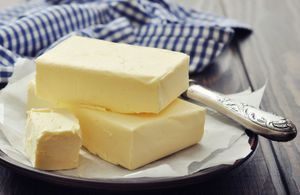
Fat factor: choose the right ingredients for baking
The difference between a dense brick and a cloud-like dough usually comes down to one thing: fat. It’s not just about calories. The texture, taste and reaction of the ingredients under heat are important. If you’ve ever wondered why a recipe calls for a certain clip instead of a beat straight from the fridge, you’re not alone. Let’s take a look at the four main players in shortening, starting with what most home bakers have access to.
Butter: taste and action
Butter is the gold standard of flavor. It is a yellow solid with about 80% fat and the rest water and milk solids. Moisture content is something you need to be careful about. Butter spoils easily and requires refrigeration, making it difficult to handle in commercial settings. It is also expensive. As such, it is primarily used alone or mixed with more expensive baked goods.
The real problem with butter is not its taste, but its texture. Butter is difficult to cream. When whipped with sugar to add air to cakes, it is not as stable as processed baking. result? A small, coarse cake. You may get a fuller flavor, but at the expense of its light and airy texture.
But when it comes to laminated fabrics, it’s hard to beat butter. The first choice for Danish pastries and puff pastry products. When the dough is stretched, it creates that unique flaky layer that everyone wants. It is also important in connection with special breads and cookies that sell sweet and pleasant aromas. But if the goal is to achieve maximum rise and softness in a simple cake, butter may not be the best technical partner.
Lard: an underrated crispy crust
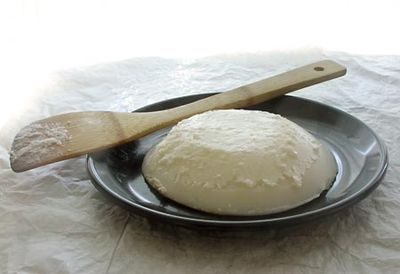
Lard comes from silage. It is a white solid and contains almost 98% pure fat. Unlike butter, it contains almost no water. This provides incredible consistency to your application. The taste is mild and pleasant, which is really good for ingredients that have a continuous shine.
Bread, biscuits and crackers contain lard. But the real specialty of this restaurant is the puff pastry. The high fat content and firm texture create a crunchy texture that is difficult to replicate. It doesn’t melt as quickly as butter in the oven, which helps retain texture while creating flakes. This is an ancient technique often left out of modern recipes, but if you want a crumbly pie crust instead of tears, lard is a good candidate. It’s not just for country bakeries anymore. Ideal for those who like to prepare sweets with care.
Vegetable oil: the power of liquid
Vegetable oils are obtained from seeds such as corn, cottonseed, peanuts, palm seeds and soybeans. They are 100% fat and remain liquid even at fairly low temperatures. This treatment removes strong odors and colors the oil neutral or pale yellow.
Why use liquid grease? Because sometimes you need traffic. The oil is mainly used to make rolls, breads and other hard pastries. It is also often used in chiffon cakes and similar recipes. The composition of the liquid produces different crumbs: moist, creamy and thick. You don’t get the same texture with hard fat.
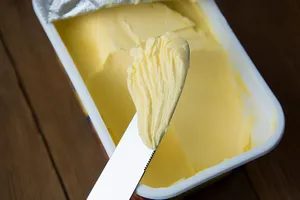
The reality behind the tub
It starts as a emulsion. A blend designed to mimic the real thing without the price tag or dairy. Margarine is practically 80% fat. The rest? Water. Salt. Emulsifiers prevent separation. Milk solids can also be added to add texture.
“Margarine has a high melting point, which softens the product and makes it particularly suitable for use for use in puff pastes.”
The difference is in how they handle heat. Unlike butter, which melts and burns quickly, margarine holds its structure longer. It has a high melting point. This makes it predictable. You can see that it doesn’t collapse under pressure.
Colors vary from white to yellow. Depends on the fat source. Animal fat or vegetable oil. Both look the same in the tub. The taste is neutral. Or butterlike if they’ve added enough flavoring. This is consistent. Reliable.
Why it works in bakeries
If you bake bread, you know why it’s in your cupboard. It creates tender products. The fat covers the proteins in the flour. Prevents excessive gluten formation. The result? A softer crumb. Light bite.
This is where it shines. Puff pastes.
Puff pastry is based on layers. Solid fat is needed to create those steam pockets. Butter can work. But it melts quickly. It can bleed out. Margarine stays solid for a long time. It holds the layers apart while the dough bakes. That’s why it’s especially popular for use in puff pastes.
This has nothing to do with health. It’s all about functionality. It’s all about what happens inside the oven. If you want tender biscuits or flaky croissants but don’t want to worry about melted butter, this is the tool for you. This is very practical. It’s efficient. For many home bakers, this is the only method that works when time is short.