There is a common misconception that the refrigerator is the ultimate sanctuary for all food items. Many consumers operate under the belief that cold temperatures automatically equal freshness, leading them to stock their fridges with everything from ketchup to coffee. However, food safety experts warn that this “when in doubt, chill it” approach can actually degrade quality, alter textures, and sometimes even accelerate spoilage.
The reality of food storage is not a binary choice between the fridge and the pantry; it is a nuanced balance between safety (preventing microbial growth) and quality (preserving flavor, texture, and nutritional value).
“The real distinction isn’t fridge vs. pantry, it’s safety vs. quality,” explains Mary Anne Amalaradjou, associate professor of food microbiology at the University of Connecticut. “Some foods need refrigeration to prevent spoilage or risk, while others are refrigerated simply to stay fresher longer.”
To help optimize your kitchen storage, we have broken down what belongs where based on chemical stability, moisture content, and microbial risk.
🧊 Surprising Items That Belong in the Refrigerator
While many people keep these items in cabinets for convenience, science suggests that cold storage preserves their integrity and safety far better.
- Ground Spices : Heat, light, and oxygen are the enemies of volatile compounds in spices. Keeping ground spices in the fridge prevents them from losing potency and flavor. This is particularly cost-effective for expensive spices, as refrigeration extends their useful life significantly.
- Whole-Grain Flours : Unlike refined white flour, whole-grain flours contain the germ, which is rich in oils. These oils are prone to oxidation, which leads to rancidity. Refrigeration (or even freezing for long-term storage) slows this chemical reaction, preserving the flour’s taste and nutritional profile.
- Nuts : Raw or unsalted nuts have high fat content, making them susceptible to oxidation. Heat and oxygen accelerate this process, leading to a rancid taste long before visible mold appears. Keeping nuts in the fridge or freezer maintains their crispness and flavor.
- Jarred Pesto : Once opened, pesto becomes a high-risk item. It is moist, low-acid, and often contains fresh herbs and cheese. The USDA recommends refrigerating opened pesto and consuming it within three days to prevent rapid spoilage.
- Tortillas : While tortillas are considered low-moisture foods, condensation can form inside packaging, creating an environment for mold. Manufacturers often recommend refrigeration after opening to extend shelf life, though this is more about quality preservation than immediate safety.
- Prepared Horseradish : Once the seal is broken, prepared horseradish loses its stability and can spoil quickly if left at room temperature. Refrigeration is necessary to maintain its pungency and safety.
The Hot Sauce Exception
Hot sauce storage depends entirely on acidity. Highly acidic sauces (like many vinegar-based hot sauces) create an environment where harmful microbes struggle to survive, making them safe at room temperature. However, sauces with lower acidity levels should be refrigerated after opening to prevent spoilage. Always check the label for specific instructions.
🏠 Pantry Staples: What You Can Leave Out
Some items are chemically stable enough to sit on the counter, and in some cases, refrigeration actually harms their usability or texture.
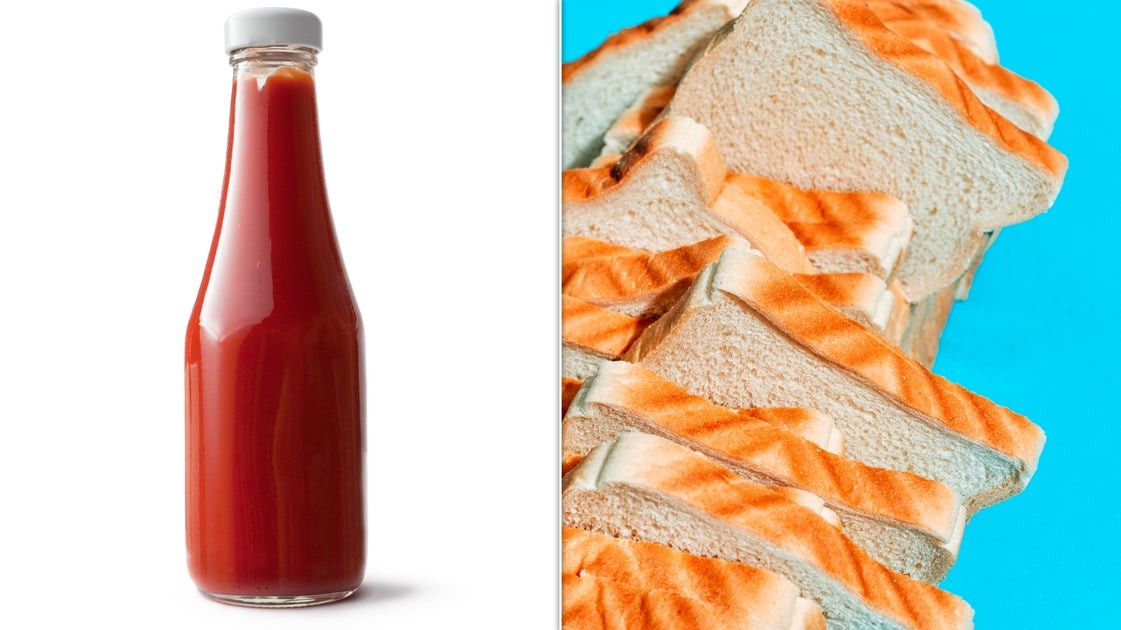
- Ketchup : Commercial ketchup is high in acid, which inhibits microbial growth at room temperature. The USDA confirms that shelf-stable ketchup is safe to store in the pantry after opening. Furthermore, room-temperature ketchup has lower viscosity, making it easier to pour—a significant practical advantage over the thick, sluggish consistency of chilled ketchup.
- Soy Sauce : Due to its high salt content, soy sauce has low water activity, meaning there isn’t enough free water for bacteria to thrive. While refrigeration can extend quality slightly for infrequent users, it is not strictly necessary for safety.
❌ Foods You Should Never Refrigerate
Placing these items in the fridge can cause physical changes that ruin their texture, flavor, or appearance.
- Honey : Refrigerating honey causes the sugars to crystallize, turning the smooth liquid into a solid, gritty mass. While this doesn’t make the honey unsafe, it requires effort to reliquefy (by placing the jar in warm water). Room temperature storage keeps honey in its ideal state.
- Bread : Refrigeration accelerates the process of starch retrogradation, which causes bread to stale faster than it would at room temperature. For long-term storage, the freezer is the superior option, as it halts the staling process without degrading texture upon thawing.
- Coffee : Coffee beans and grounds are porous and absorb moisture and odors easily. The humid environment of a refrigerator can lead to condensation, which clumps grounds and strips away volatile aromatic compounds, resulting in flat, dull coffee.
- Chocolate : Cold temperatures can cause “blooming,” where fats or sugars rise to the surface, creating white patches. While bloomed chocolate is safe to eat, it loses its glossy appearance and can develop a powdery, unpleasant texture.
⚠️ Critical Safety Rules for Opened Foods
The most dangerous assumption in food storage is that a product remains shelf-stable once opened.
“Opening changes everything,” says Darin Detwiler, professor of food policy at Northeastern University. “Once opened, foods are exposed to air, moisture and germs from handling.”
Many products, such as mayonnaise, pasta sauces, and shredded cheese, are heat-treated before packing to kill microbes. However, once the package is opened, new microbes are introduced. These items often shift from being shelf-stable to perishable.
Key Takeaways for Safe Storage:
1. Do not rely on smell : Pathogens like Listeria, Salmonella, and E. coli often do not produce noticeable odors, discoloration, or texture changes. Food can smell fine while still being unsafe.
2. Follow the Two-Hour Rule : Do not leave perishable food at room temperature for more than two hours.
3. Track Your Dates : Keep a mental or written note of when you opened a package.
4. Understand Expiration Dates : These dates generally indicate peak quality, not safety. However, when in doubt, the safest rule is: throw it out.
By understanding the chemistry behind your food, you can make smarter storage decisions that preserve both safety and flavor, reducing waste and ensuring every meal tastes its best.