
You know the drill. You commit. You sweat. You starve. Then, inevitably, you bounce back.
It’s exhausting. And it’s not your fault for being weak. It’s your fault for being too ambitious too soon. Most people treat weight loss like a temporary sprint, not a lifestyle overhaul. They go on a diet. Which implies a start and an end date. Once the end date hits, the old habits rush back in faster than the weight did.
Lasting change isn’t about willpower. It’s about structure. It’s about picking a plan that actually fits your life, not one you hate.
If you’re ready to stop restarting the same cycle, let’s look at the foundation. Before you count a single calorie, you need to clear the mental clutter. You need to know what’s working, what’s lying to you, and how to set yourself up for the long haul.
Why Your Brain Is Sabotaging Your Diet
You probably think you know how to lose weight. You’ve heard the advice. Skip dinner. Drink only water. Eat nothing after 6 PM.
Here’s the truth: many of these “tips” are actively working against you.
Take skipping meals. It feels like a shortcut. It’s not. When you skip a meal, your metabolism doesn’t just pause; it slows down. Your body enters conservation mode. It learns to hoard every calorie because it thinks a famine has arrived. When you finally eat, that body retains the weight. It’s a survival mechanism, not a moral failing.
And those “fat-free” snacks in the aisle? They are often loaded with sugar to make up for the lack of flavor. You’re trading one problem for another.
You also need to watch out for motivational traps. The kind where you judge your success by the scale alone. Because the scale doesn’t tell the whole story. It doesn’t show muscle gain. It doesn’t show water retention. It just shows one number at one moment in time.
“Skipping meals will lower your metabolism and train the body to retain weight.”
If you believe the myths, you’ll set yourself up for failure before you even step on the scale. Debunking these misconceptions is the first step to protecting your health while you try to change your shape.
Checking In With Yourself
Before you start tracking macros or joining a gym, ask yourself a hard question: Why are you doing this?
It sounds simple. But most people have a distorted view of their bodies.
Maybe you see a flaw that isn’t there. You might think you need to lose thirty pounds when fifteen would be healthier and more sustainable. That gap between expectation and reality is where disappointment lives. If your goal is based on a negative body image, you’re running on empty. You’re trying to escape yourself.
A realistic body image is a better fuel source. It helps you see where you actually stand. It helps you define a goal that is healthy, not just thin. When you know where you are, you can map out where you want to go without hating the journey.
This isn’t about loving every curve. It’s about respecting the vehicle you’re in. If you start from a place of shame, the weight loss will feel like punishment. If you start from a place of care, it feels like an upgrade.
Is It Actually Time to Change?
Perception is tricky. We all have blind spots. You might think you need to lose weight, but maybe you’re just stressed. Maybe you’re bloated. Maybe you’re just having a bad hair day.
Or maybe it’s time.
Real motivation doesn’t come from a magazine cover. It comes from a genuine desire to feel better. To have more energy. To not feel out of breath when you climb stairs.
To figure out if you’re truly ready, you need to look at your current relationship with your weight. Are you happy? Not “perfectly” happy. Just satisfied.
If the answer is no, that’s your spark. That dissatisfaction is the most powerful tool you have. It’s better than any gym membership.
There’s a practical way to gauge this. A simple questionnaire can help you separate fleeting insecurities from genuine health concerns. You don’t need a doctor to tell you if you’re unhappy with your current state. You already know. But putting it on paper makes it real. It moves it from your head to your hand.
The Hard Truth About Sacrifice
Let’s be honest. Changing your body requires sacrifice.
You have to change how you eat. You have to change how you think about food. You have to change how you move.
If you aren’t willing to make those changes, you will fail. It’s that simple.
There is no magic pill. There is no weekend detox that will reset your biology. The work is daily. The work is boring. The work is choosing the apple over the donut when you’re tired and hungry.
Before you dive in, assess your willingness to change. Are you ready to give up convenience? Are you ready to say no to social events that revolve around alcohol and carbs? Are you ready to put in the effort when you don’t see immediate results?
Take a self-test. A true-or-false check on your own habits. Are you consistent? Are you accountable? If the answer is no, fix that first. Because a plan without commitment is just a wish.
Keeping Your Head in the Game
Weight loss is emotional. It’s messy.
You will have days where you want to quit. You’ll eat the cookie. You’ll skip the workout. You’ll convince yourself that one bad day doesn’t matter.
It does.
Negative thinking is your biggest enemy. Not the cake. Not the couch. The voice in your head that says, “I ruined it, so I might as well give up.”
That voice is a liar.
You need to learn how to stay positive. Not with toxic positivity. Not by ignoring the struggle. But by reframing it.
When you slip up, don’t spiral. Acknowledge it. Learn from it. Move on.
We all have negative thoughts. They’re automatic. The trick is to catch them. To challenge them. To replace “I’m a failure” with “I’m learning.”
It sounds cliché. It is. But clichés exist because they work.
Taming the Snack Attack
Snacking is a habit. A deep one.
You snack when you’re bored. When you’re stressed. When you’re watching TV. It’s not always hunger. Often, it’s just a need for something to do with your hands and mouth.
That urge doesn’t just vanish because you decided to lose weight.
If you try to white-knuckle your way through snack time, you’ll likely break. You need a plan.
Instead of fighting the urge, distract it. Find replacement activities. Chew gum. Drink sparkling water. Take a walk. Do ten pushups.
The urge is usually a wave. It peaks, then it crashes. If you can ride that wave without giving in, you’ll find it passes.
It takes practice. But every time you resist a mindless snack, you rebuild the muscle of discipline.
Setting Goals That Stick
Don’t set a goal that’s impossible.
Losing ten pounds in a week is not a goal. It’s a fantasy. And fantasies lead to failure.
When you set an unattainable goal, you set yourself up to quit. You’ll fail, feel bad, and stop trying.
Instead, set realistic goals. Challenging, yes. But within reach.
Lose one pound a week. That’s it. It’s small. It’s slow. But it’s real.
Avoid abstract, long-term goals like “Get skinny.” That’s not a plan. That’s a wish. Break it down. What do you need to do this week? This month?
Don’t make ultimatums. “If I don’t lose ten pounds by Christmas, I’m a failure.” No. That’s pressure. Pressure breaks people.
Make goals that are measurable. Actionable. Specific.
Tracking Your Progress
You can’t manage what you don’t measure.
But don’t just weigh yourself. That number fluctuates. Water weight. Hormones. Digestion. It’s noisy data.
Instead, keep a diet diary.
Write down what you eat. When you eat it. How you feel. This isn’t about judgment. It’s about awareness.
You might be surprised by what you find. Maybe you’re eating more at night. Maybe you’re skipping breakfast and overcompensating later.
Seeing it on paper makes it real. It shows you the patterns.
Use a sample diary page. Download one. Write it down. The act of writing slows you down. It forces you to be honest.
And yes, track the non-scale victories. How your clothes fit. How your energy levels. How your mood.
Progress isn’t just linear. It’s messy. The diary captures the mess.
Eating Slower is the Easiest Hack
You don’t need a special diet to eat less.
You just need to eat slower.
Your brain is slow. It takes about twenty minutes for your stomach to send the “I’m full” signal to your brain.
If you shovel food into your mouth in five minutes, you’ll overeat before your brain catches up. You’ll feel stuffed. Uncomfortable. Guilty.
Slow down.
Put your fork down between bites. Chew thoroughly. Talk. Enjoy the flavor.
It’s simple. It
Why skipping meals backfires
You might think that cutting out breakfast is a shortcut to a smaller waistline. It’s not. It’s a metabolic trap. When you skip meals, your body interprets this as a famine signal. It slows your resting metabolic rate down by four to five percent just to keep you alive. You burn fewer calories at rest. The result? You gain body fat, not lose it.
The fix is simple. Eat several small meals throughout the day. This keeps your engine running. One or two massive meals actually work against you. Small, frequent fueling is more efficient for weight management.
The fat-free illusion
Here is a truth that food labels hide. Fat is calorie-dense. Nine calories per gram. Carbs and protein have only four. Cutting fat does lower calorie intake. That part is true. But “fat-free” does not mean “calorie-free.”
Manufacturers replace removed fat with sugar. Lots of it. A fat-free cookie often has more total calories than the original. If you eat unlimited portions of these processed items, you gain weight. You must track total calories. Limiting fat is helpful, but ignoring sugar is a mistake. You need to reign in the total number of calories you consume, regardless of where they come from.
The muscle loss risk of rapid weight loss
We all want quick results. If the scale doesn’t move fast, we quit. This is dangerous. Losing more than a pound or two a week often means losing muscle.
Think of muscle as your body’s engine. A bigger engine burns more fuel. If you lose muscle, your engine shrinks. You need less “gas” to run it. If you return to eating your old amount of food, you will gain weight. Fast weight loss makes long-term maintenance harder. Avoid fad diets. They sacrifice muscle for speed. You end up with a slower metabolism and a rebound weight gain.
Eating out without the guilt
You do not have to quit your favorite restaurants to lose weight. You can eat at fast food joints or five-star establishments. The challenge is control. When you are away from home, you cannot control the cooking oil or hidden ingredients. You can control your choices.
Know the menu. Look for grilled options. Watch your portion size. You can navigate any dining room without ruining your progress. It is about strategy, not starvation.
Dessert isn’t the enemy
You do not need to give up “real desserts” to reach your goal weight. Most people eat for pleasure, not just nutrition. If you love pie, eat it. Just eat it less often. Or eat a smaller slice.
Think substitution, not elimination. Swap a heavy cream topping for fruit. Choose dark chocolate over milk chocolate. You can still enjoy goodies. You just need to manage the frequency and portion size. Elimination leads to binging. Moderation leads to success.
The spot reduction myth
You want to lose fat from your stomach and thighs. You think sit-ups and leg lifts will do the trick. They won’t. Spot reduction is a myth.
When you lose fat, it comes from total body reserves. You cannot choose where it comes from. Sit-ups tone the muscles underneath. They do not burn the fat on top. To burn fat, you need aerobic exercise. Brisk walking, jogging, cycling, or dance.
A twenty-minute brisk walk burns more fat than a hundred sit-ups. Focus on overall cardio. The fat will leave your midsection eventually. Just not because you did crunches.
Sweat is not fat loss
Sweating is not the same as burning fat. You cannot bake, steam, or sweat pounds off. Saunas and sweat suits only cause water loss.
This weight comes back the moment you drink water. It is temporary. Worse, rubber belts and nylon suits can damage your health. They risk dehydration and heatstroke. Your body has a natural thermostat. Let it work. Replace fluids during exercise. Do not try to force your body to overheat. It is not efficient. It is dangerous.
Redefining success
Success is not a number on the scale. It is an ongoing process. It is rewarded every time you make a positive lifestyle change. Do not be a slave to the bathroom scale. Daily fluctuations are normal.
Focus on what matters. Keep accurate records of your food and activity. Increase your daily movement. Habits determine long-term success. The scale is just a tool. It is not the goal.
Movement counts, no matter how small
You do not need to exercise strenuously for hours to lose weight. Experts agree that replacing sedentary habits is key. Sitting in front of the TV or computer is the problem.
Any physical activity counts. Running on a track helps. Vacuuming the house helps. Walking the dog helps. Movement improves health. Movement controls weight. Stop waiting for the perfect workout hour. Just start moving. The cumulative effect of small activities is powerful.
It’s about consistency. Not intensity. Not perfection. Just showing up for your body, day after day. The rest follows. Or does it? You decide how to interpret the signals.
Moving More, All at Once or in Bites
The numbers in the government’s Dietary Guidelines for Americans (2005) are pretty straightforward if you strip away the jargon. It’s not about fancy routines or expensive gyms. It’s about the total clock time you spend moving. Sure, thirty minutes a day is enough to slash your risk of chronic disease. But if the goal is actual weight management? You need to aim for sixty minutes of physical activity most days. And this has to come with a calorie intake that doesn’t outpace what your body burns.
Here’s the good news: you don’t have to sit on a treadmill for an hour straight. Your body doesn’t care if you got it in one go or in chunks. Splitting that sixty minutes into three or four bouts of ten to fifteen minutes works just fine. Sneak in a brisk walk before work. Take a longer lunch break to pace around the block. Do some stretches after dinner. It adds up.
Intensity matters, sure. Vigorous aerobic exercise like jogging will torch calories fast. But moderate activity, like brisk walking, paired with sensible eating, will still shed pounds. Even domestic labor counts if you’re breaking a sweat. Raking leaves. Scrubbing the tub. Washing windows. If you’re working hard and your heart rate climbs, it counts toward that daily total.
Skillpower Over Willpower
“I just don’t have the willpower.”
We hear it all the time. It’s a familiar excuse. But lasting weight control isn’t about brute force of will. It’s about skillpower. You need tools. You need to identify exactly how and why you eat. You need to tackle the mental side of things, not just the physical. Think positively. Use the remedies. You can win this if you stop treating it like a punishment and start treating it like a skill set you’re learning.
The Mirror Doesn’t Lie, But Your Mind Might
Before you worry about pounds, you have to look at the picture in your head. Close your eyes. Picture yourself right now. Head to toe. What do you see? That mental snapshot is your body image. It’s powerful. It dictates whether you’ll stick to a plan or give up after three days.
Grab a pen. Answer these questions honestly. Don’t overthink them.
- If your best friend looked at you with total honesty, would they agree with the image you just created in your head?
- What is the specific body shape you actually want to look like?
- If you matched that ideal image, what would your weight be?
- Have you ever been at that weight before?
This exercise exposes a lot of cognitive distortions. Many women see themselves as heavier than they are. It’s a common phenomenon. You might lose ten pounds and still feel “fat.” You struggle to notice the subtle changes because you’re stuck in a negative feedback loop.
On the flip side, some of us are still mentally holding onto our high school yearbook photos. If a realistic assessment shows you’re several silhouettes larger than that old picture, you might be minimizing the excess weight you need to lose. That denial leads to procrastination. It delays action. You wait for a “better time” that never comes.
Bridging the Gap Between Mind and Body
Starting a weight loss journey requires a realistic body image. You can’t get to where you want to go if you don’t know where you are. Visualize yourself becoming more like your ideal self. Clear. Defined. Healthy. Here are three concrete ways to strengthen that mind-body connection.
Mirrors. Spend time in front of a full-length or three-way mirror. Ideally, without clothes on. Look. Really look. Acknowledge your current shape. Don’t hate it. Just witness it. Congratulate yourself on any progress, no matter how small.
Clothing. This is practical, not just aesthetic. If you’re wearing baggy, loose-fitting clothes, you’re hiding your body from yourself. It disconnects you from your reality. Switch to clothes that are more form-fitting. It helps you adjust to your changing shape. And stop saving your “fat clothes.” Keeping them in the closet is a silent promise to fail. Save one item to remind yourself of your progress, but let the rest go.
Photographs. Visual memory is deceptive. Photos are not. Take pictures every four to eight weeks. Create a photo journal. Compare the images. The difference is often more obvious in a photo than it is in the mirror. It’s proof. Concrete evidence that the effort is working.
Assessing your body image is only half the battle. The other half is deciding if you’re actually happy with your current weight. Or if you’re just comfortable. There’s a difference. We need to dig into that next.
This information is solely for informational purposes. IT IS NOT INTENDED TO PROVIDE MEDICAL ADVICE. Neither the Editors of Consumer Guide (R), Publications International, Ltd., the author nor publisher take responsibility for any possible consequences from any treatment, procedure, exercise, dietary modification, action or application of medication which results from reading or following the information contained in this information. The publication of this information does not constitute the practice of medicine, and this information does not replace the advice of your physician or other health care provider. Before undertaking any course of treatment, the reader must seek the advice of their physician or other health care provider.
Think about the bill you get from your insurance company after a heart scare. Or the sheer exhaustion of managing Type 2 diabetes. We spend a lot of time worrying about the financial cost of being overweight. We rarely pause to ask what it costs us in terms of joy, confidence, and connection.
Researchers are starting to put a price tag on those missing pieces. What is your self-esteem worth? How much is a better sex life worth? What about not feeling self-conscious at the office or at family dinners?
The data suggests that even modest weight loss yields massive returns in quality of life. You don’t need to drop thirty pounds to feel different. You just need to start.
Try this experiment. Pick three lifestyle habits to tweak over the next four weeks. Maybe it’s drinking more water. Maybe it’s walking for twenty minutes after dinner. Track how you feel. Did your energy hold steady? Did you sleep better? Did you snap less at your partner?
Those wins matter more than the number on the bathroom scale.
Preparing to Lose Weight: The Mental Audit
Change is terrifying. It’s also the only thing that keeps us alive.
Before you sign up for a program or buy a set of resistance bands, you need to look at your headspace. Attitudes are just consciously held beliefs. If those beliefs push you away from your goals, you will fail. Not because you lack willpower, but because your brain is actively sabotaging you.
Take this honest inventory. These are true-or-false questions designed to catch you in the act of self-sabotage.
- Losing enough weight to reach my goal weight would guarantee me everlasting happiness.
- It’s a good idea to save my larger-size clothes just in case I need them again.
- I find myself hating people I see in exercise classes or jogging down the street.
- When I’m exercising and eating right, I get angry and frustrated when the scale doesn’t show immediate results.
- I feel deprived when I’m dieting and can’t wait until I’m off the diet so that I can have my favorite foods again.
- Once I lose weight, I’ll look so good that I won’t have to exercise anymore.
- It’s not fair that other people eat more than I do and don’t have a weight problem.
- In order to stay at my goal weight, I need to deprive myself and miss out on life’s fun.
- Someday I’ll be able to take a pill that will allow me to eat all I want and still lose weight.
- I view exercise as torture or punishment.
- Unless I lose five pounds per week, I feel discouraged and want to go off my diet.
- It’s impossible to have an active social life and still lose weight.
- Keeping a food diary is childish and embarrassing.
- Food is my best friend.
- I feel panicky if food is not available when I want it.
- It’s impossible for me to lose weight because of my family history.
- Once I begin exercising, if I miss more than a day or two, I feel I’ve blown it, so I quit.
- It’s impossible for me to deal with life’s stresses without turning to food.
Count your “true” answers.
If you have more than four, you have some serious mental blocks. These attitudes are bricks in the wall you’re trying to climb. You need to identify them and dismantle them.
If you have ten or more? You are likely headed for failure. Not because the weight is impossible to lose, but because you’ll regain it the moment you hit a plateau. These destructive thoughts create a vacuum that stress rushes to fill.
If you scored high on this test, do not go it alone. A support group or a mental health professional can help you rewire these patterns before you even start counting calories.
How to Stay Positive About Weight Loss
It sounds cliché. It sounds like something you’d see on a mug in a gift shop. But your thoughts dictate your actions.
We talk to ourselves constantly. This internal monologue is called self-talk. And what we say to ourselves influences what we do. Including whether or not we lose weight.
If your internal voice is a drill sergeant screaming that you’re lazy, you’re going to quit. If it’s a compassionate coach reminding you that one bad meal doesn’t erase a good week, you’re going to stick with it.
The secret isn’t having perfect thoughts. It’s having useful thoughts.
5 Signs Your Self-Talk Is Sabotaging You
- All-or-Nothing Thinking: “I ate a cookie, so the day is ruined.” This leads to bingeing.
- Catastrophizing: “I gained two pounds, I’m going to be fat forever.” This ignores the reality of water weight and inflammation.
- Comparing: “She lost weight faster than me.” This steals your energy. Her journey is not yours.
- Victimhood: “It’s my mother’s fault I’m overweight.” This removes your agency. You can’t change your genetics, but you can change your habits.
- Impatience: “I need results now.” Weight loss is a marathon, not a sprint.
How to Rewire Your Internal Dialogue
Stop trying to silence the negative thoughts. They will come back louder. Instead, argue with them.
When you think, “I can’t do this,” ask yourself: “Who said that? Is that fact, or is that fear?”
Replace the scream with a question. Instead of “Why am I so weak?”, try “What do I need right now to keep moving forward?”
This shift in weight loss mindset is subtle. But it changes everything. It turns your diet from a punishment into a project. A project you can manage.
Choosing a Weight Loss Program
There are endless options. Keto. Paleo. Intermittent fasting. Weight Watchers. Noom. The list goes on.
Which one is right for you?
The best program is the one that respects your psychology. If you hate counting points, don’t join a point-based system. If you need structure, don’t try intuitive eating from scratch.
But remember: no program works if you are fighting yourself.
You need a positive attitude. Not a fake, plastic smile. A genuine, gritty commitment to showing up for yourself.
The scale is a tool, not a judge. Use it to inform your decisions, not to define your worth.
A Final Note on Safety
This information is solely for informational purposes. IT IS NOT INTENDED TO PROVIDE MEDICAL ADVICE. Neither the Editors of Consumer Guide (R), Publications International, Ltd., the author nor publisher take responsibility for any possible consequences from any treatment, procedure, exercise, dietary modification, action or application of medication which results from reading or following the information contained in this information. The publication of this information does not constitute the practice of medicine, and this information does not replace the advice of your physician or other health care provider. Before undertaking any course of treatment, the reader must seek the advice of their physician or other health care provider.
We’ve covered the cost of staying the same. We’ve audited your mindset. We’ve talked about the power of self-talk.
Now you have to choose.
Do you keep the larger clothes in the back of the closet “just in case”? Or do you pack them away, forcing yourself to buy new clothes that fit the body you have now?
That small act of trust in your future self is often the tipping point.
What’s one thought you heard today that you’re going to let go of?
Your inner monologue isn’t just noise. It’s a script. And if you’re not careful, you’re starring in a tragedy of your own making.
Think about it. You repeat certain thoughts until your brain accepts them as fact. Belief drives behavior. If you tell yourself you’re doomed to be overweight, your actions will align with that defeatism. It becomes a self-fulfilling prophecy. You talk yourself out of success before you even start.
So, check in with that voice in your head. Is it pushing you forward? Or is it digging a hole?
The good news? You can edit the script. You don’t have to accept negative self-talk as gospel. Here is how to swap out the destructive narratives for ones that actually support weight control.
Negative Self-Talk vs. Positive Self-Talk
It helps to see the contrast clearly. Here are common internal lies and the truth versions that work.
The Lie: “I’m a hopeless failure. It’s been over a week, and I haven’t lost a pound.”
The Truth: “I didn’t see the scale move, but I did exercise and plan my meals. Small changes add up. I’m still on track.”
The Lie: “My parents are overweight. It’s in my genes. I’ll always be fat.”
The Truth: “Genes aren’t destiny. I can change my habits and shape my health regardless of my family history.”
The Lie: “It’s unfair. Everyone else eats what they want, and I have to eat ‘diet’ food.”
The Truth: “Lots of people choose nutritious foods. I’m not alone. My body deserves fuel that makes me feel good.”
The Lie: “This is punishment. I have to drag myself to the gym.”
The Truth: “I always feel energized and in control after a workout. This is self-care, not punishment.”
The Lie: “I have no willpower.”
The Truth: “Weight loss takes skill, not just will. I can identify my habits, plan ahead, and handle this.”
The Lie: “Life is boring when I’m on a diet.”
The Truth: “I create my own fun through friends and hobbies. Food is just fuel. It’s not the only source of joy.”
Why Shifting Your Narrative Works
Positive self-talk isn’t fluffy woo-woo. It’s a practical tool for lowering the mental barriers between you and your goals. It builds self-image. It reduces resistance.
When you’re learning this new way of thinking, write it down. Track your internal dialogue. It forces you to look at your thoughts objectively rather than just accepting them.
Keep a diary. Not just for calories, but for a mental inventory of your wins. At the end of each day, ask: What did I do well?
Focus on the positive. “I walked three times this week and felt great.” Not, “I missed walking one day.”
Praise yourself for the small wins. Even if it feels minor, acknowledge it. You’re building belief. And weight control is infinitely easier when you actually believe you can do it.
Doubt is natural. Replace it with evidence of your capability. That belief becomes the foundation for achievement.
How to Ride Out the Urge to Snack
You can’t simply suppress the urge to snack. Willpower runs out. Instead, you need a strategy to ride the wave until it breaks.
Consider the math. Eating just 100 extra calories a day—one ounce of cheese, a small handful of chips—adds up. Ten pounds a year. That’s a sliver of cake. A mouthful of candy. It seems insignificant in the moment, but it accumulates.
When the urge hits, stop. Ask yourself: Am I actually hungry?
If the answer is no, you’re eating out of habit or boredom. In that case, the urge will pass if you wait it out. Think of it like riding a bucking bronco. If you fight the horse, you get thrown. If you balance and wait, it settles down.
You need to be a good “urge rider.” This means identifying the urge early and using a skill to ride it through.
The core technique is distraction. Do something incompatible with eating for at least ten minutes. You’re buying time. The activity must involve you, be available immediately, and ideally give you pleasure or a sense of accomplishment.
Make your own list. Here are some starters that remove you from the kitchen environment:
- Call a friend (keep the phone away from food)
- Chew sugarless gum
- Brush your teeth
- Take a quick shower
- Paint your nails
- Water the plants
- Ride an exercise bike for five minutes
- Organize a messy drawer or closet
- Meditate or pray (avoid food-related thoughts)
- Balance your checkbook or file paperwork
- Talk to your partner instead of grabbing a plate
- Solve a crossword or jigsaw puzzle
The goal isn’t to eliminate the urge. It’s to change your relationship with it. You don’t have to act on it. You just have to ride it out.
And when you do? You prove to yourself that you are in control. Not the food. You.
This information is for educational purposes only. It is not medical advice. Consult your physician before making significant changes to your diet or exercise routine. The publisher and authors are not responsible for any consequences resulting from the application of this information.
Swap the Screen for Movement
Put down the remote. Television isn’t your friend when you’re trying to shift your body composition. The data is pretty stark: people who clock three to four hours of daily screen time are nearly twice as likely to be obese compared to those who watch less than an hour. It’s a fatty connection driven by two things. First, you’re sitting still. Second, your hands are busy mindlessly snacking.
Do the math. Four hours a day equals 1,460 hours a year. That is a massive chunk of life. Imagine what you could do with that time. Or more importantly, imagine the calories you could burn if you were moving instead of freezing on the couch.
Change the Scene
Urges hit hard. The best way to dodge them is to physically leave the zone. If you’re home alone, go see a friend who isn’t going to offer you a brownie. If you’re stuck at work pulling overtime, take “seventh-inning stretches” in the hallway. If the kitchen is calling your name, retreat to the bedroom or living room with a good book.
Leave the environment. Especially if that environment contains food. Once you break the visual and physical cue, the desire to eat weakens. It’s not magic. It’s momentum.
The Low-Calorie Safety Net
Sometimes you just can’t resist. That’s okay. Don’t fight the urge with willpower alone. Satisfy it with something light. Keep an emergency stash of low-calorie items nearby. Fresh vegetables. Fruit. Diet soda. Air-popped popcorn.
Have them on hand. When the craving strikes, grab the popcorn instead of the chips. It’s a small swap. It keeps the habit of eating while keeping the calorie count down.
Are You Hungry or Just Tired?
Ask yourself if the urge to eat is actually fatigue in disguise. Many of us feel like eating when we’re run-down, sick, or just exhausted. Your brain screams for fuel when your body is actually screaming for rest.
Once you recognize the tiredness, take a time-out. Give your body what it really wants. A break. Don’t feel guilty about taking that extra time. If you ride out urges productively, you’ll be surprised at the free time you reclaim from mindless eating.
Setting Goals That Actually Stick
As you lose weight—or even before you start—you need realistic goals. Motivation fades if the target is too far away. Most people start with resolutions that sound noble but fail quickly.
“I’m going to exercise every day, no matter what.”
“I will never eat chocolate again.”
“I have to lose ten pounds in two weeks.”
These are no-win situations. They set you up for disappointment. You can’t be perfect. You can’t lose weight that fast. If you build your plan on perfection, you will crash.
Avoid two specific traps. They have names because people fall into them constantly.
Insistent Imperative Syndrome
This happens when your goals are filled with absolute words. Always. Never. Every. Must. These words leave no room for error. Nobody is perfect. Every time you vow never to touch a doughnut again or swear you’ll lose weight every single week, you’re setting yourself up to fail.
Break the vow, and you feel frustrated. Frustration leads to more eating. It’s a cycle. Strike imperatives from your vocabulary. Bring your standards in line with reality. You’ll be rewarded for progress instead of punished for slip-ups.
Mount Everest Syndrome
The second trap is setting goals that are simply too high. “I have to lose 50 pounds.” “I’m going to walk ten miles.” These are overwhelming. They’re out of reach. They make the job feel impossible.
This thinking turns success into an endpoint that only happens when you reach the top. It ignores the process. Giant goals invite failure. Break them down. Make tasks small. Accomplish one day at a time. One week at a time. Don’t feel defeated before you start.
The Four Pillars of Good Goals
Goals focus your energy. To succeed, they need structure. Make sure your goals are:
Short-term and specific. Don’t say “I’m going to exercise.” Say “I’m going to walk 25 minutes after dinner every evening this week.” Specify exactly what you plan to do by tomorrow or next week.
Trackable. Use a diary. Track your progress in a visible way. Seeing it on paper helps.
Positive. Say “I will” instead of “I won’t.” Negative goals make you feel deprived. Positive goals make you feel good about your successes.
Personal. Don’t lose weight to please others. Don’t try to impress anyone. Learn to be the center of your own life. Your health is for you.
Rewarding. Recognize each small victory. They are building blocks. Long-term success is made of small wins.
Why Unrealistic Goals Sabotage Your Progress
You can’t maintain a lifestyle that fights against your nature. To actually keep weight off long-term, the targets you set need to fit into your actual life. If a goal feels impossible, you’ll eventually stop trying. It’s a simple trap. We often think we need to go extreme to see results. We don’t. We need consistency.
Look at the difference between what we think we should do and what we can actually do.
Unrealistic vs. Realistic Goal Examples
| Unrealistic Goal (The Trap) | Realistic Goal (The Fix) |
|---|---|
| I’ll never eat more than 1,000 calories a day. | My average daily intake will be 1,500 calories this week. |
| Starting tomorrow, I’ll walk two hours every single day. | I’ll walk for 20 minutes four times this week. |
| I’m baking for the school sale, and I won’t taste a single cookie. | I’ll buy cookies for the sale and drop them off on my way home from the grocery store. |
| I’m going to lose ten pounds before my class reunion next month. | I’ll eat small portions and take a 15-minute walk four times a week so I feel healthier and more confident at the reunion. |
See the shift? The first column demands perfection. The second column allows for human error. It’s about progress, not purity.
Writing these down matters. Once they are on paper, read them back. Do they sound like things you can actually do next Tuesday when you’re tired? If you catch yourself using words like “never” or “always,” or setting targets that require superhuman willpower, rewrite them. Make them smaller. Make them survivable.
“A goal without a plan is just a wish… and we all know that wishing doesn’t make it so.”
This strategy is about how to eat less by eating slower and planning ahead, but it starts with admitting that your current plan is too hard.
The Secret Weapon of Successful Losers
Losing the initial weight is often the easy part. Keeping it off? That’s where most people get stuck. The weight creeps back in. Why? Because the lifestyle change didn’t stick.
Researchers at the Duke University Diet & Fitness Center found one habit that separates those who keep the weight off from those who regain it. It’s not a specific diet. It’s not a fancy gym membership. It’s a diary.
Successful long-term “losers” keep a daily record. It sounds boring. It feels tedious. But it works. Here is why tracking your food and activity actually changes your brain’s behavior:
1. It Forces Focus
Writing things down acts as a physical anchor. When you write down your goal to lose weight, you are reminding your brain of why you are doing this. It brings your health priorities to the surface before you grab the second slice of pizza.
2. It Eliminates the Planning Gap
Most dieters fail because they don’t plan. They wake up and hope for the best. Hope is not a strategy. You need to plan meals and physical activity at least a day in advance. Ideally, plan a week out. Look at your actual week. Do you have late meetings on Tuesday? Skip the gym that day and move it to Wednesday. Make the plan realistic based on your actual responsibilities, not your fantasy life.
Once the plan is set, stick to it. But life happens. You will deviate. That’s okay. If you break the plan, write it down. Note when it happened. Note where you were. Note who you were with. Did you eat because you were stressed? Because you were bored? Because your colleague offered you donuts? This data is gold. It helps you identify high-risk situations before they happen next time.
3. It Enables Reflection
A diary is a mirror. It shows you patterns. Maybe you notice you always overeat on Sundays. Maybe you notice you skip workouts when you’re angry. You can’t change what you don’t measure.
And here is the important part: monitor more than just the scale. Praise yourself for other wins. Did you drink enough water? Did you take the stairs? Did you choose a salad over fries? These are victories. They build the momentum needed for long-term success.
Whatever weight-loss plan you eventually choose, you need this infrastructure first. You need to know how to eat less by eating slower, and you need to know how to plan your week so you aren’t making impulsive decisions when you’re hungry and tired.
This information is solely for informational purposes. IT IS NOT INTENDED TO PROVIDE MEDICAL ADVICE. Neither the Editors of Consumer Guide (R), Publications International, Ltd., the author nor publisher take responsibility for any possible consequences from any treatment, procedure, exercise, dietary modification, action or application of medication which results from reading or following the information contained in this information. The publication of this information does not constitute the practice of medicine, and this information does not replace the advice of your physician or other health care provider. Before undertaking any course of treatment, the reader must seek the advice of their physician or other health care provider.
The lag time between your stomach and your brain is the culprit behind late-night snacking and post-dinner binges. It takes roughly twenty minutes for satiety signals to travel from your gut to your noggin. If you are a speed eater, those extra minutes are enough to pack in hundreds of unnecessary calories before your body even registers that it’s full.
Slowing down isn’t just about discipline. It’s about letting your biology catch up. When you eat at a leisurely pace, you give those natural signals time to register. You also get to actually taste the food. That savoring of texture and flavor contributes significantly to satisfaction. If you’re currently breaking speed records at meals, consider these practical techniques to slow things down.
Practical Techniques for a Slower Pace
Put your fork or spoon down after every single bite. For many of us, eating is a nonstop motion. The utensil races from plate to mouth and back again. Try this instead: take a spoonful, place the utensil beside your plate, chew, swallow, then pick it up again. It will feel awkward at first. Tedious, even. But you’ll be surprised how much sooner you feel full.
Swallow what is in your mouth before preparing the next bite. Too many of us load the spoon while the teeth are still chomping. If you’re eating hand-held food like pizza, sandwiches, or cookies, take one bite, then set the rest of the food down while you chew.
Relax before you start. If you’re upset about a problem at work or the kids are fighting, do some deep breathing first. Read the paper. Calm down, then start eating. The key is to shift your state before you shift your posture.
Eat in courses rather than family style. Having all the food on the table at once invites grazing. Keep the main dishes in the kitchen. Bring out one course at a time.
Time your meals. Use a watch or kitchen timer until you get used to the slower pace. Take a brief break for a minute once or twice during the meal. Talk. Sip a beverage. Fold your hands in your lap. Break the rhythm of consumption.
Play slow background music. Studies show people eat more slowly when they listen to slow, soft music. When it’s time to eat, do nothing but eat. Turn off the TV. Take the phone off the hook. If you’re distracted, you won’t notice how fast or how much you are eating.
Use chopsticks for all cuisines. They automatically slow down your rate of eating. If you’re a pro with chopsticks, use them in your opposite hand. It forces mindfulness. As an added bonus, chopsticks allow fatty sauces to fall through the cracks and stay on the plate where they belong.
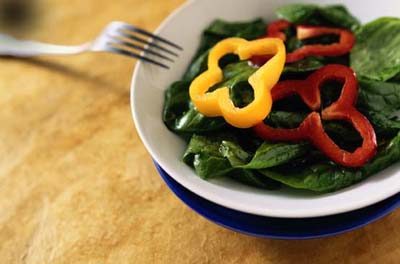
Sit down when you eat. A lot of people don’t count what they eat when they are standing up. Sitting helps you relax and focus. Dine—don’t just inhale your food. Savor each delicious bite of tuna salad on a fresh bed of leafy greens. Don’t wolf your tuna fish right out of the can. Why not make mealtime a pleasurable event?
Be creative. Develop your own tricks. One size doesn’t fit all.
Building Your Weight Loss Support Network
A good support group can help you succeed in just about any endeavor. Weight loss is no exception. You need a team. Here is how to evaluate and build the social support in your life.
Step 1: Evaluate your social network.
Identify your allies. These are the people who will support your weight-loss efforts. Then identify your saboteurs. These are the ones who might undermine them. The most obvious place to start looking for allies is in your family. But friends and coworkers can be allies too.
Spend time with those who help, not hinder. If you’re trying to cut back on calories, don’t meet Jane the food-pusher or your drinking buddies after work. Meet with people who will exercise with you. Reinforce your efforts with actions, not just words.
Step 2: Tell allies how to help.
Other people can’t read your mind. The only way to get what you want is to ask for it. Be clear. Requests like “Help me out more” or “You’re making it impossible for me to lose weight” are too vague. They create guilt without direction.
Here are specific things you might ask your allies to do.
To provide daily encouragement and support:
- Ask them to praise beneficial behavior changes, not the weight loss itself. Positive feedback shouldn’t depend on how many pounds you’ve dropped. Weight loss may be slow at times. Positive behavior changes, such as eating slowly or revising recipes, can occur at any time and deserve support.
- Ask them to avoid criticizing your efforts even if you fall off the plan. Slip-ups happen. Judgment shuts down progress.
- Ask them to call or talk to you and explore solutions with you when you’re having trouble with your plan.
- Ask them to walk or exercise with you. Sharing an activity can replace the usual eating ritual of so many social get-togethers.
To reduce your exposure to food:
The hardest part of changing your relationship with food isn’t usually the diet itself. It’s the people who love you but keep handing you a slice of pie “just because.”
You have to be direct. Not passive-aggressive. Not subtle. Direct.
Here is exactly what you need to ask the people closest to you to stop undermining your goals.
Clear boundaries around food in the home
People operate on habit. If a bag of chips is on the counter, your brain will eventually say, Why not? You need to change the environment so willpower isn’t required for every single decision.
Stop the gifting. Ask friends and family to stop bringing you food. No more cookies “for your desk.” No more leftovers “because you’re so thin.” If they want to give you something, ask them to get a non-edible gift. A book. A candle. Something that doesn’t come with a calorie count.
Keep the triggers away. Ask them to clear the table immediately after eating. Don’t leave crumbs. Don’t leave half a loaf of bread on the counter. Store snacks in opaque containers or inside cupboards, not in clear bins on the counter where they act as visual cues. Out of sight, out of mind.
Don’t eat “problem” foods in front of you. This is awkward, but necessary. If your partner loves spicy chili but you’re trying to cut back on rich, heavy foods, ask them to eat those things in the kitchen or away from you. Watching someone else enjoy something you’ve restricted yourself from is a form of torture. It’s not their fault, but it’s not helpful to you.
Decouple affection from calories
For many people, food is love. That’s the problem. You need to rewire that association so you aren’t the only one giving up something.
Cut the food talk. If someone is always talking about how good that brunch was, or how delicious the dessert menu looks, ask them to dial it back. Constant commentary on taste and texture keeps food top-of-mind.
Find other ways to connect. Ask your inner circle to show affection through actions that don’t involve calories. Hugs. Kisses. Words of affirmation. If they’re celebrating your birthday, invite them to a movie, a play, or a sporting event. An experience creates memories. A cake creates a sugar crash.
Switch the snacks. If you’re hanging out, suggest activities with lower-stakes food. Popcorn is easier to manage than a charcuterie board. Fruit is fresher than pastries. You don’t have to ban all treats, but shift the default from high-calorie indulgence to lighter options.
Reinforce the positive behavior
When they do it right, tell them. Specifically.
Generic thanks like “Thanks for being nice” doesn’t teach them what to do next. You need to reinforce the specific action.
“Thanks for not buying that chocolate cake. It really helps me stay on track when the temptation isn’t sitting in the fridge.”
See the difference? One is vague. The other tells them exactly what behavior supports your goal.
And don’t forget the reciprocity. Helping is a two-way street. Ask what you can do for them. Make it a partnership, not a sacrifice.
Why this matters
Losing weight takes willpower. You don’t need to waste any of it fighting against well-meaning relatives who think they’re helping.
By setting these clear, specific boundaries, you remove the ambiguity. They know how to support you. You’re not being difficult; you’re being strategic.
Sources: Joan Horbiak, R.D., M.P.H. (writer); Duke University Diet and Fitness Center (consulting organization). This information is for educational purposes only and does not constitute medical advice. Consult your physician before starting any weight loss program.