

Red patches. Sudden itching. Flakes dusting your shoulders like unwanted snow.
Seborrheic dermatitis is a quiet, stubborn intruder. It doesn’t ask for permission. It just shows up to ruin the day. For those with sensitive skin, every shampoo feels like a gamble. Every cream risks irritation. Keeping your cool becomes impossible.
But you don’t need harsh chemicals or miracle cures from the counter. A simple, natural routine can shift the tide. Three raw ingredients—ancestral and effective—are becoming the go-to response for scalp crises. Curious about how chamomile infusion, nigella oil, and apple cider vinegar can help you reconcile with your daily life? Here are the steps to take to end the red patches and regain confidence in front of the mirror.
Understanding Seborrheic Dermatitis: More Than Just Flakes
People often mistake this for simple dandruff. Or a temporary irritation. It’s neither.
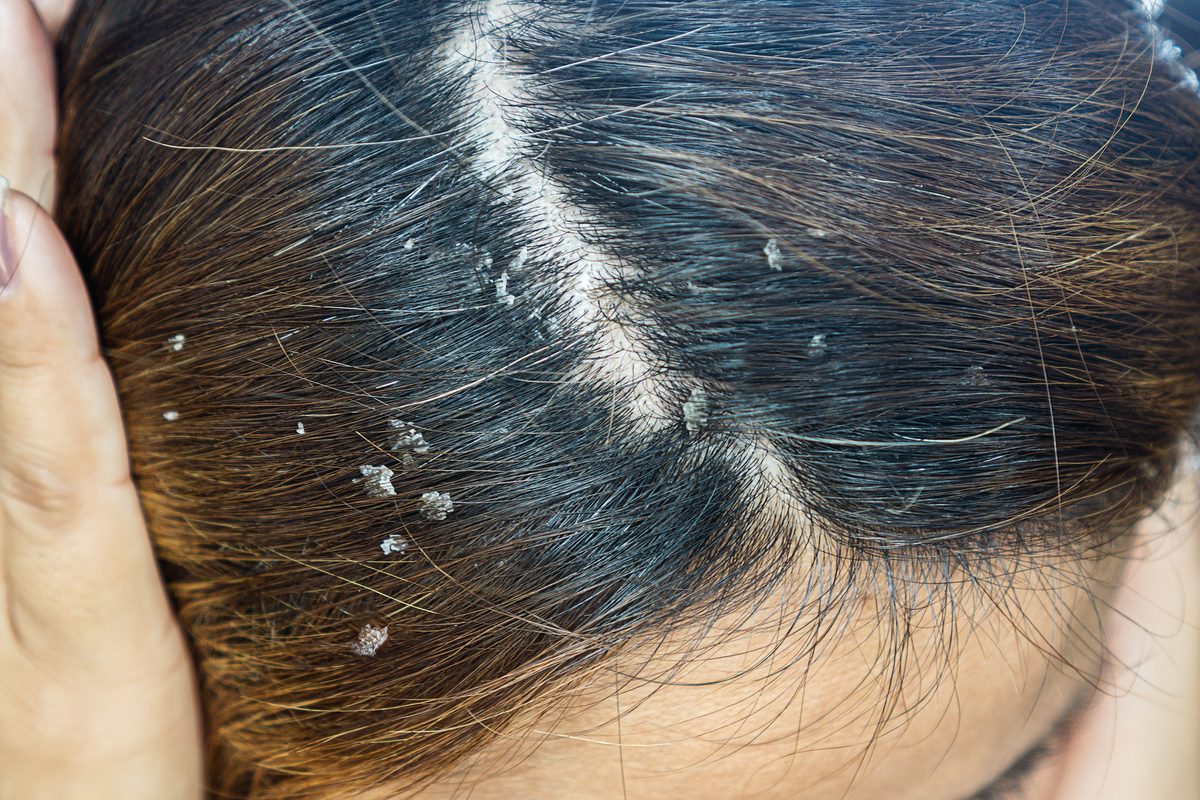
Roughly 5 to 10% of the population suffers from it. Mostly young adults. This chronic condition affects the scalp and face. It shows up as red plaques. Persistent itching. Greasy, flaky skin. It settles in the nooks and crannies. Think the sides of the nose. Eyebrows. Temples. Even the beard area.
What makes it flare up? Stress. Fatigue. Excess sebum. Reactions to overly aggressive products.
Attacking the root cause matters more than masking symptoms. You need to soothe the skin long-term. Forget expensive, abrasive treatments. The current trend points back to basics. Gentle, natural ingredients. Things that actually calm the inflammation.
The Natural Solution for Redness, Itch, and Flakes
Why this natural trio works better than harsh chemicals
Grandma’s remedies aren’t just nostalgia trips. They are gaining serious traction in 2025. Why? Because when skin is irritated, aggressive products often make things worse. This specific combination of ingredients works in synergy. It targets the exact spots where skin needs help most. The logic is botanical. The feel is undeniable. The results show up over time.
Here is what you need to make it.
-
2 tablespoons of dried chamomile flowers
-
1 tablespoon of nigella oil (black cumin)
-
3 tablespoons of unpasteurized apple cider vinegar
-
250 ml of mineral water
How chamomile soothes irritated skin instantly
French herbalists used to keep this on hand. Chamomile remains a powerhouse for calming overheated skin. The secret lies in its flowers. They hold natural active compounds with proven soothing properties. These compounds relieve stinging and tightness. Apply it as a compress or a rinse water. You get immediate relief from itching. It also stops redness in its tracks.
On irritated skin, floral gentleness acts like a balm. It does not dry out or aggress the tissue. It fits perfectly for the most sensitive scalps. If you want to know how to stop the itch now, this is your starting point.
Nigella oil: An ancestral treasure against inflammation
That distinct scent of nigella oil hides a whole Mediterranean tradition. Its profile is rich in essential fatty acids. It also contains purifying compounds. This makes it ideal for calming inflammation. It limits the appearance of dark spots. It accelerates the skin’s natural repair process.
Just a few drops, patted onto irritated areas, bring instant comfort. Use it on the scalp. It integrates easily into a weekly routine. It reduces both redness and unwanted flakes. Best of all? It does not leave a greasy film behind.
Apple cider vinegar: The unexpected ally for scalp balance
Many avoid it. They fear it is too aggressive. But unpasteurized apple cider vinegar offers a powerful regulatory action. It tackles excess sebum head-on. When diluted in water, it helps restore the scalp’s natural balance. It neutralizes itching. It softens flakes.
Its richness in micronutrients and slightly acidic pH protects the skin barrier. It adds softness and shine to hair. It is a smart choice for fighting naturally. It helps you avoid the spiral of stripping shampoos.
How to adopt this daily soothing routine for visible results
This routine takes minutes. It fits into your existing habits. Start by infusing the chamomile flowers in 250 ml of simmering water. Let it cool. Strain it well. Add the nigella oil and apple cider vinegar. Mix gently.
Apply the lotion to clean skin. Use a cotton pad or rinse it off after shampooing. Focus on patches of redness or intense itching. This trio acts immediately. It calms raw sensations. It restores comfort and softness within the first week.
Doing this treatment two to three times a week yields noticeable results. You will see a sharp decline in tightness, redness, and dandruff. Results improve over time. This requires patience. You must stick with it. Avoid abrasive traditional products during this period.
“The logic is botanical. The feel is undeniable. The results show up over time.”
Essential gestures to pamper fragile skin daily
Hygiene matters. Diet matters. Well-being matters. To boost the effectiveness of these natural remedies, simple habits make a huge difference.
Prioritize gentle cleansing. Avoid sulfates and alcohol. This is fundamental. Harsh ingredients only worsen inflammation. Hydration is key too. Both internal and external hydration keeps skin supple. It makes skin less reactive.
Look at your plate. Foods rich in zinc, omega-3s, and vitamin E support skin repair. They strengthen immunity. Manage stress. It shows on your face and scalp. Opt for natural fabrics. Aerate your bedroom daily. These small efforts contribute to the overall balance of your body and skin.
Combined with the chamomile, nigella, and apple cider vinegar routine, these steps open the door to calmer skin. It becomes better equipped to resist seborrheic dermatitis flare-ups.
Simplicity wins. Gentleness pays off. Sophisticated products often fail where basic care succeeds. With three well-chosen ingredients and renewed attention to lifestyle, fragile skin finally gets the respite it deserves. These traditional remedies offer a true natural alternative. They restore comfort and well-being. The journey is slow. But it is steady. And that is what matters.