
Japanese fashion is not what you see on the fast-fashion racks in New York or London. It is not about chasing the next viral trend. It is rooted in history, culture, and a specific way of looking at the world. The aesthetic is defined by minimalism, subtle elegance, natural colors, and fabric quality that actually matters.
Unlike Western trends, which shift with the seasons like weather fronts, Japanese style has permanence. It does not change every six months. It stands on the foundational values of Japanese culture itself. Cleanliness. Simplicity. Functionality. Naturalness. These are not just design choices; they are life philosophies woven into clothing.
How Japanese Style Differs from Western Trends
The core difference lies in the approach. Western fashion often prioritizes the silhouette and the statement. Japanese fashion prioritizes the cut and the feel. You will rarely find loud logos or aggressive patterns. Instead, you find straight lines, symmetry, and a focus on how the garment moves with the body rather than against it.
For women, this often translates to loose, flowing dresses that drape rather than cling. High-waisted trousers that offer comfort without sacrificing structure. Blouses that feel like a second skin. For men, it is about precision. Slim-cut pants. Simple shirts. Jackets that are structured but not stiff.
“Japanese fashion rejects the temporary in favor of the enduring. It is about owning fewer things, but making them last.”
The Palette and Fabric of Authenticity
If you look closely at a well-dressed person in Tokyo, you will notice the color palette. It is rarely chaotic. Think of a muted landscape in winter. Black. White. Beige. Grey. Light blue. These are not just colors; they are tones that blend together, creating a sense of calm.
The materials are just as deliberate. Synthetic blends are often avoided in favor of natural fibers. Cotton. Linen. Silk. Wool. These fabrics breathe. They age gracefully. They develop a patina over time, becoming more “you” with every wear. This is the opposite of fast fashion, which is designed to be discarded.
Patterns in Japanese fashion are subtle. You might see a floral print, but it will likely be integrated into the design in a way that feels organic, not pasted on. Geometric shapes appear, too, but they are usually balanced, creating a visual harmony that is pleasing without being loud.
Why This Matters for Your Wardrobe
You do not need to move to Kyoto to adopt these principles. The core idea is intentionality.
When you choose a piece of clothing, ask yourself:
– Does this fit my lifestyle?
– Is the fabric natural?
– Does the color go with at least three other items in my closet?
– Is the cut functional?
This approach reduces decision fatigue. It creates a capsule wardrobe that feels extensive because the pieces work together. It is not about having less for the sake of it. It is about having what matters.
The beauty of Japanese fashion is that it is quiet. It does not demand attention. It simply exists. And in a world that is constantly screaming for our focus, that silence is a luxury. You start to notice the texture of the linen. The way the light hits the silk. The comfort of a well-cut seam.
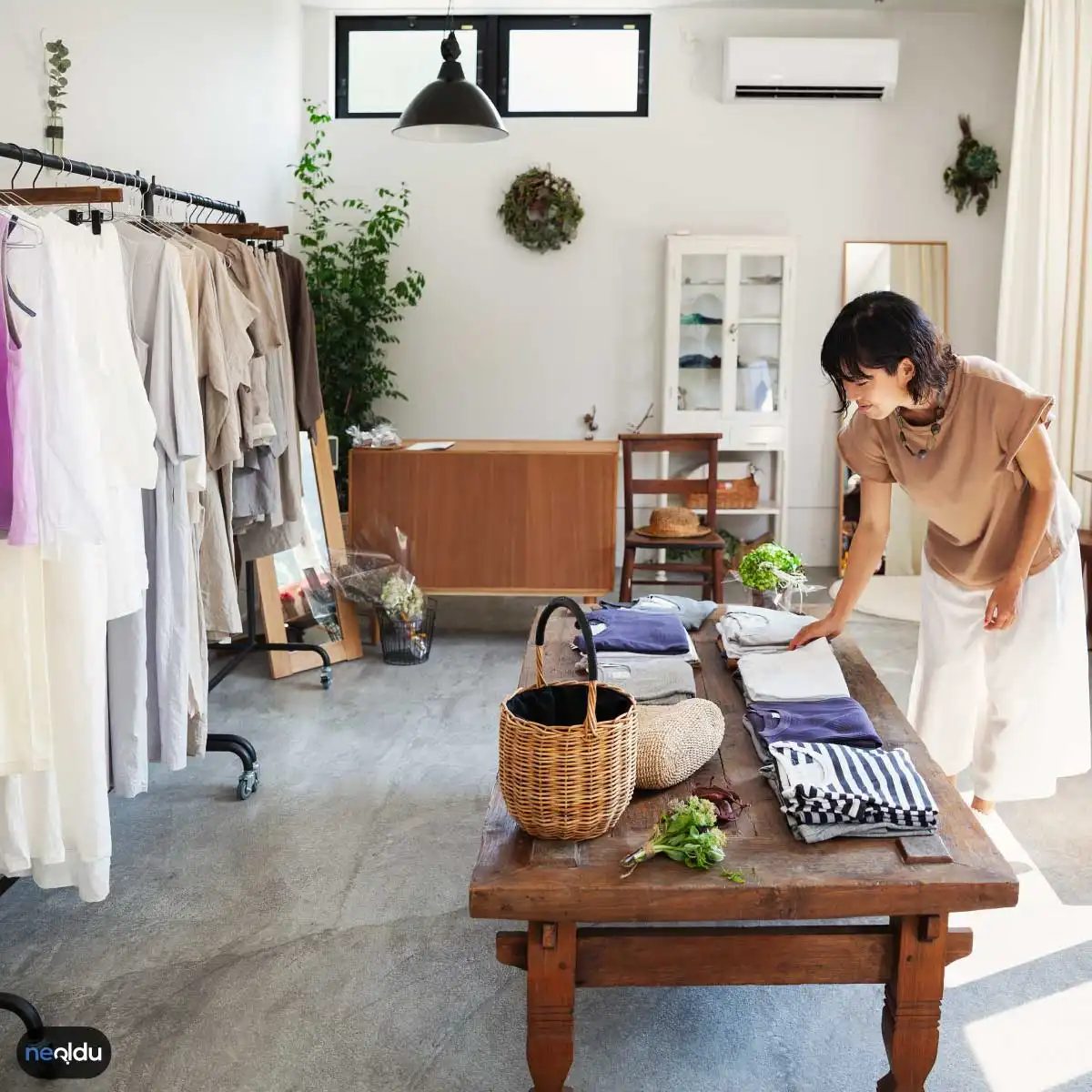
Japon stilinin özünü anlamak, karmaşık trend takıntılarını bırakıp daha bilinçli bir gardıroba geçiş yapmanızı sağlar. Bu tarzın arkasındaki itici güç, yalnızca görsel bir tercih değil, köklü bir felsefedir. Sadelik, işlevsellik ve doğayla uyum… İşte modern kadınların gardıroplarına ilham verebilecek o temel prensipler.
Neden Japon modası minimalizmi bu kadar etkileyici?
Batı modasının sık sık “daha fazlası daha iyidir” düştüğü bir dünyada, Japon yaklaşımı tam tersini empoze eder. Buradaki minimalizm, eksiklik hissi yaratmak için değil, odak noktasını korumak içindir. Kıyafetler genellikle düz çizgilerle, simetrik kesimlerle ve bol hacimlerle tasarlanır.
Bu bol kesimler, giyen kişinin hareket özgürlüğünü ön plana çıkarır. Dar ve kısıtlayıcı siluetler yerine, cildin nefes almasını sağlayan yapılar tercih edilir. Bu tasarım felsefesi, Japon kültüründeki doğayla iç içe olma anlayışından beslenir. Doğanın sadeliğini ve akışkanlığını giysilere yansıtmak, giyen kişiye huzur veren bir atmosfer yaratır.
Renk paleti: Pastellerden toprak tonlarına
Japon modasında renk seçimi, dikkatli ve titiz bir süreçten geçer. Göz alıcı, neon veya aşırı kontrastlı renkler yerine, göz yormayan doğal tonlar öne çıkar.
- Nötr tonlar: Siyah, beyaz, bej ve gri bu stilin omurgasını oluşturur.
- Doğal paletler: Açık mavi, yumuşak yeşil ve toprak renkleri sıkça görülür.
- Pastel nüanslar: Sıcak ve davetkar bir his veren pastel tonlar, özellikle bahar ve yaz koleksiyonlarında baskındır.
Bu renk seçimi, kıyafetlerin kolaylıkla birbirleriyle kombinlenmesine olanak tanır. Bir parça, gardırobunuzdaki diğer öğelerle sorunsuz bir şekilde uyum sağlar. Bu da “güne ne giysem?” sorusunu cevaplamayı kolaylaştırır.
İşlevsellik: Estetikten ödün vermeyen pratiklik
Japon modasında her parçanın bir amacı vardır. Geleneksel giysilerden modern streetwear’a kadar, tasarımın arkasında bir işlevsellik yatar.
Örneğin, kimonolar sadece törensel bir elbise değildir. Gün içinde rahatlıkla giyilebilen, çok yönlü bir yapıya sahiptir. Katlanabilir, taşınması kolay ve farklı ortamlara uyarlanabilir. Bu yaklaşım, günlük yaşamda konforu ve şıklığı aynı anda elde etmeyi hedefler. Estetik görünüm, işlevselliğin bir sonucu olarak ortaya çıkar; ikisi
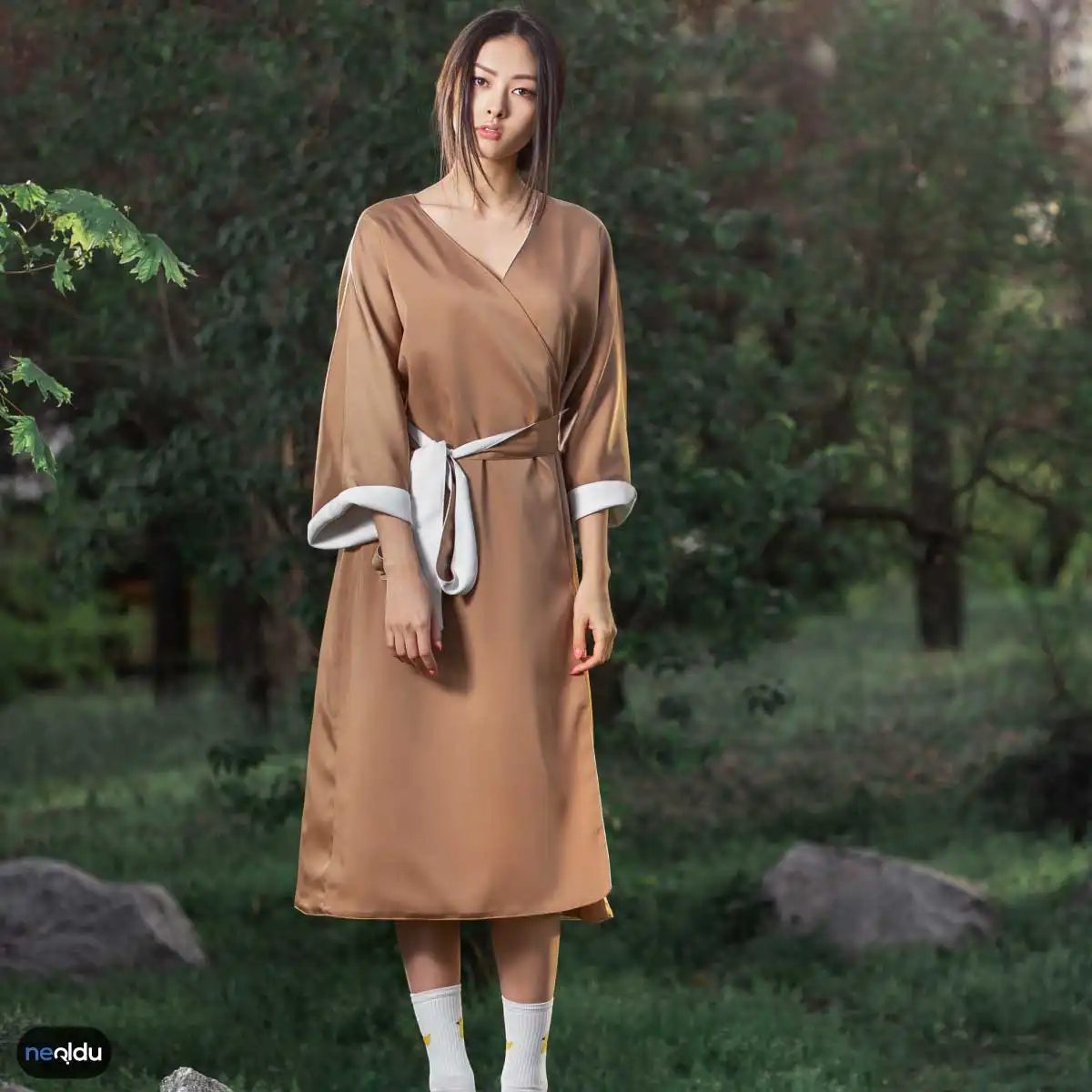
Japon tarzı giysileri incelerken sadece kesime değil, kumaşın dokusuna da bakmak gerekir. Bir kumaş nasıl hissettiriyorsa, o kıyafet o şekilde durur. Doğal malzemeler burada devreye giriyor. Pamuk, ipek, keten ve yün… Bunlar sadece seçenekler değil, bir yaşam biçimi. Cildin nefes almasını sağlayan bu kumaşlar, Japon estetiğinin temelini oluşturur. Desenler ise hikaye anlatır. Her motifin bir anlamı var. Doğa, gelenek ve semboller kumaşın üzerine işleniyor.
İpek Kumaş: Lüksün ve Gelenegin Buluşması
İpek, Japon giyim dünyasında ayrıcalıklı bir konuma sahip. Kimono yapımında hâlâ birinci planda. Hafifliği ve parlaklığıyla dikkat çeker. Ama asıl önemlisi, el işçiliğiyle dokunmasıdır. Makine üretimi değil, ustaların emeği var ortada. Bu da giysiyi sıradan bir parçadan çıkarıp koleksiyonluk bir esere dönüştürür. Sıcak havalarda bile nefes alabilen bir lüks.
Keten Kumaş: Yaz Aylarının Sessiz Kahramanı
Sıcak geçen Japon yazlarını düşünün. Teri emen, hava geçiren bir kumaş lazım. İşte keten burada devreye giriyor. Doğal bir his verir. Ciltle uyumu yüksektir. Japon giysilerinde sıkça görülür çünkü konforu ön planda tutar. Rahat kıyafet arayanlar için ideal bir tercih. Minimalist duruşuyla da uyum sağlar.
Yün Kumaş: Soğuk Havalarda Koruyucu Kalkan
Kışın gelince sıcaklık devreye girer. Yün kumaşlar, ceket ve kabanlarda olmazsa olmazdır. Sıcak ve yumuşak bir his verir. Kaliteli dokuma teknikleriyle birleştiğinde çarpıcı dokular ortaya çıkar. Sadece sıcak tutmak değil, şıklığı da korumak için kullanılır. Japon modasında yün, kaliteyi ve dayanıklılığı temsil eder.
Desenlerin Gücü: Anlam Katmak
Desenler, Japon modasında rastgele seçilmez. Her biri bir sembol taşır. Doğaya saygı, geleneksel değerler ve manzara sevgisi kumaşın üzerinde can bulur.
Çiçek Desenleri: Zarafet ve Hassasiyet
Çiçekler, Japon kültüründe doğanın güzelliğini temsil eder. Küçük ve zarif çiçek motifleri, elbiselerde, kimonolarda ve aksesuarlarda sıkça karşımıza çıkar. Bu desenler, giysiyi daha soft ve feminin hale getirir. Özellikle kadın giysilerinde hakimdir.
Sembolik Japon Desenleri: Koi Balığı ve Bonsai
Japon desenleri, sadece görsel bir şölen değil, aynı zamanda bir felsefe. Koi balığı deseni, güç, sadakat ve sevgiyi simgeler. Bonsai ağacı deseni ise doğal güzelliği ve sükuneti yansıtır. Bu motifler, kimono, yukata ve aksesuarlarda sıkça kullanılır. Giyen kişiye bir mesaj verir.
Geometrik Desenler: Minimalist Tarz
Düz hatlar, üçgenler ve kareler… Geometrik desenler, Japon modasında minimalist bir stil oluşturur. Genellikle erkek giysilerinde daha baskındır. Ceketler, gömlekler ve pantolonlarda görmek mümkündür. Karmaşadan uzak, net ve net bir estetik sunar.
Tie-Dye (Batik) Desenler: Renklerin Oyunu
Batik olarak da bilinen bu teknik, kumaşın belirli bölgelerinin bağlanarak boyanmasıyla elde edilir. Japon modasında oldukça popülerdir. Yazlık giysilerde, özellikle yukatalarda sıkça görülür. Her parça benzersizdir çünkü el yapımıdır. Rastgelelik içinde bir düzen vardır.
Japon Modasının Avantajları
Doğal kumaşlar kullanmak, cilt sağlığını korumak anlamına gelir. Sentetik kumaşlar ter tutabilir, doğal olanlar ise nefes alır. Bu da gün boyu konfor sağlar. Desenlerin anlam katması, giysiyi sırad

Why Japanese Fashion Is More Than Just a Trend
There is a reason your feed is full of clean lines and neutral tones. It is not just a fleeting trend. It is a philosophy.
Japanese fashion offers more than just clothes. It offers a way to dress that prioritizes comfort without sacrificing style. The aesthetic is minimalist. It is chic. It stands out by not trying too hard.
The beauty of this style lies in its simplicity. It allows you to build a wardrobe that lasts.
Prioritizing Comfort and Ease of Movement
You do not need to sacrifice comfort for aesthetics. Japanese style leans heavily into natural fabrics. Think cotton. Linen. Silk. Wool.
These materials breathe. They last. The cuts are often loose and flowing. This design choice is not accidental. It provides freedom of movement. You can walk, sit, or work without restriction. The garments adapt to your body rather than forcing your body to adapt to them. This makes them practical for daily life.
The Power of Minimalist Design
Simplicity is a powerful tool. Most Japanese-inspired pieces feature solid colors. Patterns are subtle. This lack of visual noise creates a sense of confidence. When you are not fighting against busy prints, you focus on fit and texture.
This minimalism also simplifies accessorizing. Because the base layer is understated, you can add unique pieces. A bold necklace. Interesting shoes. A structured bag. The outfit remains balanced. You create a look that feels personal rather than mass-produced.
Quality Over Quantity
The emphasis here is on durability. High-quality fabrics mean the clothes withstand wear and tear. You buy less often. You wear pieces for years.
This approach changes how you view your closet. It is not about filling space. It is about curating value. The fabric itself contributes to the elegance of the garment. A well-made coat or a finely woven shirt looks expensive simply because of the material.
Finding Your Unique Voice
Popularity does not mean uniformity. Despite its global reach, Japanese fashion retains an element of individuality. Designs often experiment with unconventional cuts. Asymmetry is common. Layering is used intentionally.
These elements allow for self-expression. You can take a basic silhouette and make it yours through styling. The result is a look that is distinct. It avoids the trap of looking like everyone else.
Dressing for the Seasons
Practicality extends to the calendar. This style respects the climate. In summer, breathable fabrics like yukata-inspired layers or light linens keep you cool. They are airy and light.
Winter demands protection without bulk. Thick wool coats and structured jackets provide warmth. The key is adapting to the weather while maintaining the aesthetic. You dress for the conditions but stay true to the minimalist ethos.
How to Incorporate This Style
You do not need to live in Tokyo to wear this way. It is accessible.
- Start with basics. Invest in a well-fitting white shirt. Black trousers. A neutral coat.
- Choose natural fibers. Look for labels that list cotton, linen, or wool.
- Focus on fit. Ensure the clothes allow for movement. Avoid anything that feels restrictive.
- Accessorize mindfully. Let one or two pieces stand out. Keep the rest simple.
Why It Works for Everyone
This is not a niche look reserved for a specific group. It is universal. The principles of comfort and quality apply to anyone. The minimalist approach reduces decision fatigue. You get dressed faster. You look put together with less effort.
It is adaptable. You can mix traditional elements with modern pieces. The result is a wardrobe that is versatile. It works for the office. It works for the weekend.
The Bottom Line
Japanese fashion is about intention. It is about choosing pieces that last. It is about feeling comfortable in your skin. It is about expressing yourself through simplicity.
The trend is here to stay. Not because it is new. But because it works.
What is the one piece in your closet you would never throw away?