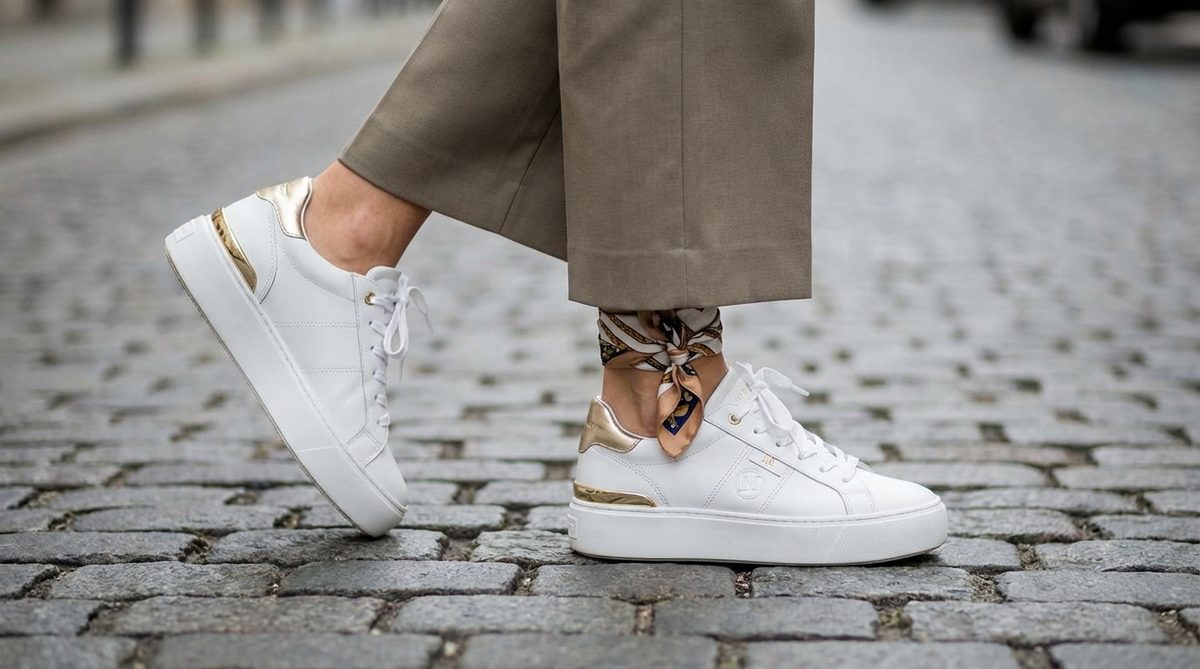
You just dropped serious cash on those dreamy kicks. You love them. But three months in, the sole is collapsing. The leather is cracking. It feels like a curse, doesn’t it?
It’s not bad luck. It’s not a manufacturing defect. It’s usually the result of small, unconscious habits that quietly destroy your favorite sneakers. With spring rain threatening to soak your footwear, it’s time to change the game. Forget magic products. The longevity of your sneakers rests on a precise strategy that will fundamentally change how you treat your feet. It is about economics and ecological common sense.
The Rotation Rule: Let Your Sneakers Breathe
We all have that one pair. The ones you throw on without thinking because they go with everything. This is the worst habit for durability.
Most modern sneakers have an EVA foam midsole. This material absorbs shock. Every step compresses it. If you wear the same shoes every single day, the foam never has time to return to its original shape. The material settles. It permanently deforms. The structure weakens.
Mechanical rest is non-negotiable. This brings us to the first pillar of keeping your shoes alive: rotation. Alternating pairs is the golden rule of a sustainable wardrobe. By switching shoes daily, you allow materials to relax and, crucially, dry out.
Your feet sweat. Even if you are not running a marathon. That moisture seeps into fabrics and leather. It attacks the glue and feeds bacteria. Letting your sneakers air out for twenty-four hours stops this internal degradation process.
“Alternating shoes allows materials to relax and dry out, preventing permanent deformation of the foam structure.”
Waterproofing: The Invisible Shield
The excitement of unboxing new sneakers often makes us skip the most important step: protection. That spray bottle is not an upsell you politely decline at the register to save a few euros. It is your first line of defense.
Spraying your shoes before they leave the box creates a hydrophobic barrier. It stops liquids from penetrating the fibers. It saves your shoes from stains, rain, and urban dust. This simple gesture protects your investment, especially when the weather is unpredictable.
However, you must be careful with product choice. You do not treat delicate suede like robust smooth leather. A poor-quality universal waterproofing spray can suffocate a soft nubuck or leave white marks on dark leather.
Read the labels. Prioritize silicone-free sprays for breathable materials. Apply from about twenty centimeters away using short bursts. Avoid saturating the material. A thin, even coat is always better than a heavy soak.
Why the Washing Machine Is a Shoe Graveyard
The temptation is strong. Toss your dirty tennis shoes in the washer. Expect them to come out white and fresh in an hour. Resist.
The washing machine destroys shoes. Heat, even at thirty degrees Celsius, reactivates and weakens the industrial glues holding the sole to the upper. Add the violence of the spin cycle, where your shoes are thrown against metal walls, and you get a deformed structure. Or worse: a detached sole.
For a spotless result without the risk, use the two-bowl method.
- Fill one bowl with warm water and specialized cleaner or Marseille soap.
- Fill the second with clean water.
- Dip a soft brush in the soapy water.
- Scrub gently in circular motions.
The foam lifts the dirt without drowning the shoe. Then, use a damp microfiber cloth dipped in the clean water to rinse and blot immediately. This method preserves material integrity while ensuring a bright finish.
The Right Tools: Crêpe Brushes and Microfiber
Cleaning requires the right tools. Using the abrasive side of a kitchen sponge on leather is a crime that leaves permanent scratches.
To avoid damaging fragile materials like nubuck or suede, a crêpe brush is your best ally. Its rubbery texture catches dust and restores the nap without pulling fibers. For localized stains on these velvety materials, a suede eraser works wonders by literally rubbing away the dirt.
The white sidewalls also need attention. They yellow and get dirty fast, making the whole shoe look neglected. Use a stiff-bristled brush (like an old nail brush) with an active cleaner to restore shine to these tough areas.
Be careful not to let the cleaner run onto the delicate upper if the material is sensitive. Wipe regularly with a microfiber cloth to check your progress.
This is just the start. There is more to preserving your footwear than just cleaning and rotating.
Why creases in sneakers are permanent (and how to stop them)
Look at your current sneakers. The toe box likely has deep, ugly creases. Once leather or fabric breaks there, it stays broken. The material cracks. It tears. You can’t fix it.
But you don’t need expensive city shoes to use a shoe tree. Your sneakers need them too. An embauchoir keeps the original shape. It stretches the material when you aren’t wearing them. It is not snobbery. It is preservation.
Cedar vs. plastic: which shoe tree is better?
Material matters. Plastic inserts are cheap. They are light. Good for travel. But they do nothing for the shoe’s health.
Wood is different. Cedar wood offers two benefits. First, it stretches the leather properly. Second, it absorbs residual moisture from your feet. It also releases a pleasant scent. This neutralizes sweat odors. It is a small investment. It keeps your shoe silhouette sharp for years.
Where to store your kicks to avoid yellowing
Once they are clean and inserted with a tree, where do they go? Direct sunlight is the enemy. UV rays are the number one threat to white and transparent soles. The sun accelerates polymer oxidation. This causes unsightly yellowing. You cannot reverse it.
Do not leave your favorite pair under a window. Do not leave them on a balcony.
Store them in a dry, dark place. Front-opening boxes are ideal. They protect against dust. Eyelets allow airflow. If you lack those, use the cloth dust bags that come with quality pairs. Avoid original cardboard boxes if you live in a humid area. Cardboard absorbs water. It attracts mold to your precious shoes.
The maintenance ritual that extends sneaker life
Keeping sneakers immaculate is not magic. It is routine. It is not a chore. It is respect for the object and your wallet.
Integrate these simple actions into your daily life. You extend the life of your favorite fashion accessories. The secret formula is three words: Rotation, maintenance, waterproofing.
Apply this holy trinity of sneaker care. You will wear your preferred models season after season. They will always feel new.
By caring for your belongings, you cultivate a slower, more reasoned fashion. This is far from reckless overconsumption. Before you run to buy the next trendy release, ask yourself. Does the pair waiting in your closet just need some love? And a good clean?