Cold brew. It’s not just coffee over ice. That’s iced coffee, a separate beast entirely. Cold brew is patience in a jar. It’s chemistry happening slow.
I wasted years buying the pre-bottled stuff. Why? Because I didn’t know better. Five years ago, I stopped paying the “convenience tax.” I started mixing ground beans with tap water (or filtered, if you’re fancy) and waiting. The result? A strong, smooth concentrate that tastes nothing like the acidic punch of hot drip.
Here’s the thing. You don’t need a $200 gadget. You need a jar. And patience.
The Basics Of Cold Water Extraction
Regular iced coffee? It’s hot water meeting grounds, then meeting ice. Cold brew ignores the heat entirely. The water is cold or room temp. The wait is long—12 to 24 hours, depending on your mood and how dark you like it.
This slow soak pulls out different compounds. The result is less acidic. Less bitter. Smoother.
Most people, including me, make this into a concentrate. It sits in the fridge for a week, waiting to be called. Use it for morning jolts. Dump it into smoothies. I’ve even spiked it for espresso martinis. It’s versatile as hell.
Making The Stuff
First, grind the beans. Go coarse. Think raw sugar consistency, not flour. If your beans are dust, your coffee will taste muddy. And straining a fine mess? Painful. If you lack a grinder, buy pre-ground from the roaster, but tell them you need it coarse for cold brew.
Toss those grounds into a large Mason jar. Or a French press, if that’s your thing.
Add water. Filtered water helps, but it’s not non-negotiable. Stir it up. Let the grounds find the liquid. Cover the jar. Set it on the counter.
Wait.
12 hours is fine. 24 is stronger. 18 is my sweet spot. Let it sit at room temp. Don’t put it in the fridge yet, unless you’re in July and hate bacteria.
After the wait, strain it. Use a cheesecloth or a coffee filter in a fine-mesh strainer. Pour slowly. Be patient with the liquid leaving the grounds.
Transfer the liquid to a clean bottle. Fridge it. It’ll keep for about seven days.
Serving Suggestions
Do not drink the concentrate straight. It’s sludge-like in intensity. Your taste buds will scream.
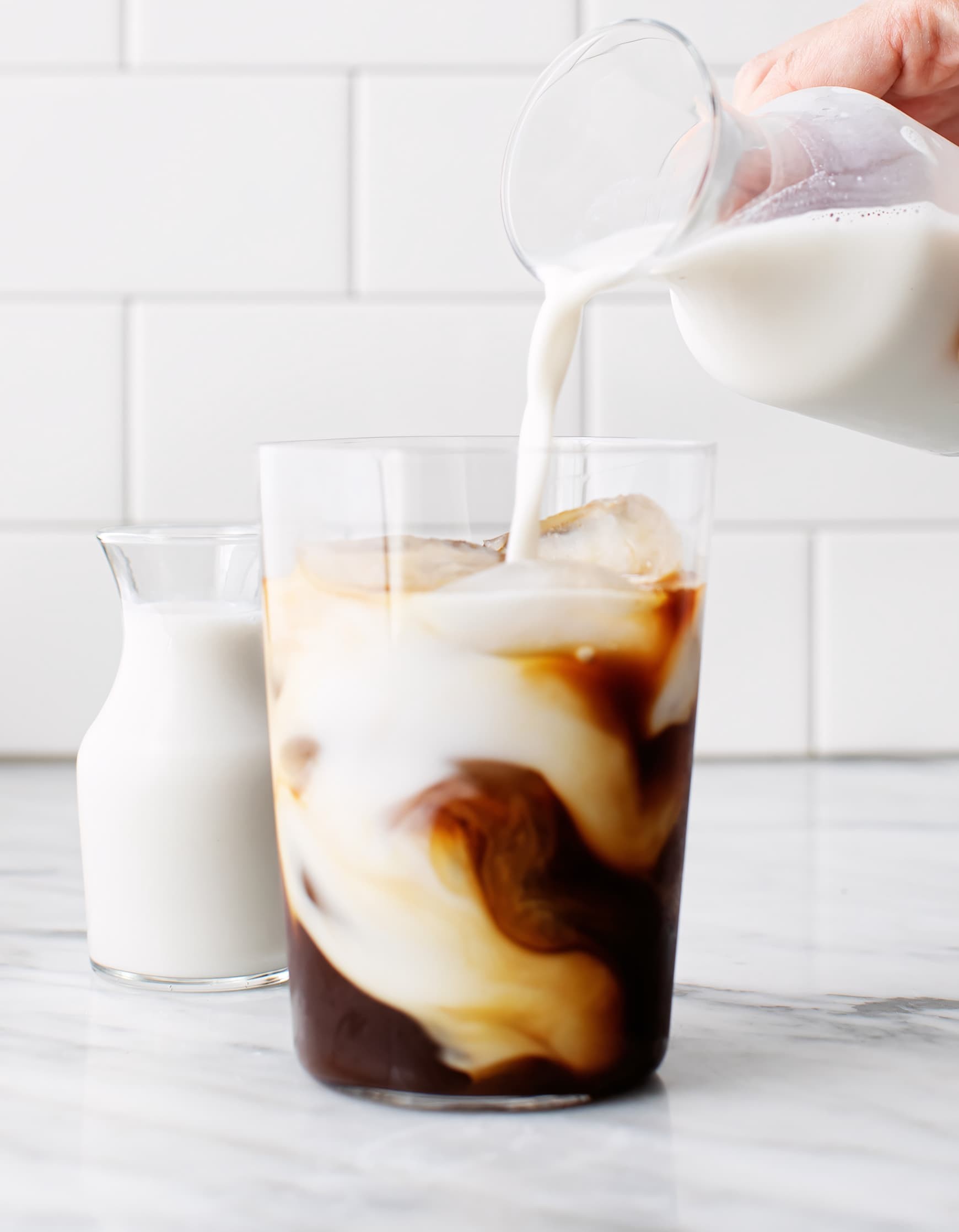
Pour three-quarters of a cup of the concentrate over ice. Add water. Or milk. Almond. Oat. Dairy. Doesn’t matter. Ratio it 1:1. Taste it. Want it stronger? Less milk. Thinner? More water. Add syrup if you need the sugar rush.
Craving heat? Skip the ice. Pour the concentrate into a mug and dilute with hot water or milk. Yes, you can make hot coffee from cold brew concentrate. Weird? Maybe. Good? Also yes.
Why Grind Matters
Fresh is best. Always. Grinding beans releases oils. These oils carry the flavor. The moment you crack that bean, the clock starts. Those oils dry out. The flavor evaporates.
If you use stale grounds, your cold brew tastes flat. No amount of milk fixes bad beans.
And remember, keep that grind coarse. Fine grounds turn the steep into a filter-clogging nightmare. Plus, coarse grounds yield that balanced flavor. Pre-ground coffee from the grocery store is usually ground for drip machines—too fine. Grind it yourself if you want to stop guessing.
The longer the steep, the darker the brew. But 24 hours isn’t magic. It’s just bitter if you aren’t careful.
One rhetorical question: why are you still buying the bottles?
Final Thoughts
Adjust the ratio to your palate. Made it too strong? Dilute next time. Too weak? Steep longer. Home brewing isn’t a lab experiment. It’s dinner. Messy. Flexible. Yours.
Try it this weekend. Or don’t. The bottled stuff will still be there next week. Same price. Same taste. Your choice. ☕