
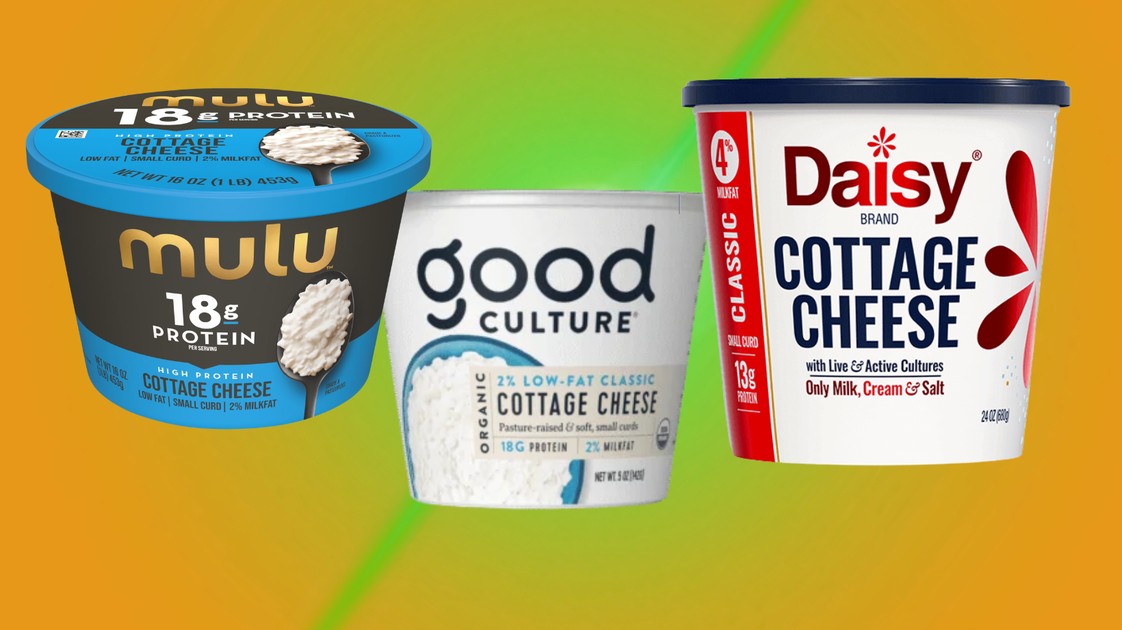
Cottage cheese has officially shed its reputation as “spa food” or leftover grandma cuisine. It is no longer just a garnish; it is a protein powerhouse sitting front and center in the grocery store aisle. The shift is real. Dietitians are prescribing it for gut health. Chefs are blending it into sauces. Home cooks are dumping it into smoothies for an instant macros boost.
But the aisle has changed. The simple white tubs of the ’90s have been replaced by a chaotic lineup of options that vary wildly in texture, curd size, and ingredient lists. If you are confused by the choices, you are not alone. Picking the right one depends entirely on how you plan to eat it.
For Eating Straight From The Tub
Texture is everything here. You cannot mask the flaws of a watery curd with a spoonful of jam. If you want to eat it cold, plain, and direct, Good Culture is the gold standard.
Grace Elkus, a recipe developer, keeps a constant supply in her fridge. She swears by the single-serve cups for their convenience. The appeal lies in the consistency. Good Culture offers a creamy base with small, tender curds. Crucially, the curds do not swim in a pool of whey. You get rich flavor without the runny mess that plagues other brands.
Erin Clarke of Well Plated by Erin agrees, though she leans toward their low-fat variety for specific snacking goals. It works exceptionally well as a savory base. Think sliced avocado, cherry tomatoes, a pinch of sea salt, and chili flakes on toast. She even uses it as the creamy layer in a “faux-lasagna” topped with marinara and mozzarella. The flavor profile is mild, fresh, and slightly tangy without being overwhelming.
The Heavy Hitters For Protein
If your primary goal is hitting macros, flavor takes a back seat to numbers. This is where the competition gets interesting.
Morgan Walker, a sports dietitian, notes that Good Culture’s 2% and 4% versions deliver a solid 14 grams of protein per half-cupper serving. She also values the lack of thickeners. Many brands use gums or stabilizers to force texture. Good Culture keeps the ingredient list simple: milk, live cultures, and salt. The live cultures add probiotics for gut health, a bonus most other brands ignore.
But if 14 grams isn’t enough, you need to look at Mulu.
Harris-Pincus, a registered dietitian, suggests grabbing a tub of Mulu, which is widely available at Walmart. It stands out because it is made with added whey protein. A single half-cup serving packs 18 grams of protein. That is nearly 20% more than standard options, all for just 100 calories. For those tracking intake strictly, the efficiency is hard to beat.
The Blending Champions For Cooking
Cottage cheese is not just for eating. It is a secret weapon in the pantry for creating creamy textures without dairy fat. But not every brand blends well.
Shelley Elson-Roza, who co-founded Heirloom Fine Foods, reaches for Daisy (specifically the 4% variety) when making dips. The texture is firmer. The curds are distinct and not “loose.” She mixes it with corn, cilantro, and chipotle for an elote-inspired dip. It holds its structure better than competitors when mixed with heavy ingredients like tortilla chips.
For puree work, Daisy also takes the crown. Christine Pittman of Cook The Story prefers the low-fat Daisy for blending. Other brands often leave you with grainy remnants or uneven textures. Daisy breaks down into a silky smooth cream. Pittman uses this to replace ricotta in lasagnas or stuffed shells. She advises blending it first to eliminate the curds for those who find the texture off-putting.
The Heat Factor
Cottage cheese behaves like an egg when heated. Push it too hot and it will seize. It will curdle further, breaking the emulsion and turning grainy rather than creamy. This requires technique.
When Elkus makes stovetop sauces, she sticks to the 4% variety. The higher fat content makes it less likely to separate under direct heat. She also warns against bubbling it aggressively. Instead, heat it gently and fold it into hot pasta right before serving.
For baked goods, it is more forgiving. In egg bakes or layered dishes like lasagna, it integrates beautifully. It adds moisture and protein without dominating the flavor profile.
The Verdict
There is no single “best” brand. It is a tool.
- Good Culture wins on taste and texture for snacking.
- Mulu wins on sheer protein density for athletes.
- Daisy wins on versatility for cooking and blending.
Grocery stores are stocked with these options because we have changed our expectations of cheese. We want convenience. We want high protein. We want it to taste like ice cream but act like meat. The right brand exists for all of it. You just have to know what you are looking for when you grab that tub.