We tend to leave the organ meats on the plate. They feel like an acquired taste, a relic of a time when nothing in the animal went to waste. But offal—those nonmuscular parts of beef, pork, lamb, and veal—is far more than just a culinary curiosity. It has been a staple in human diets since we first figured out how to cook things over a fire. Before heat made them digestible, these cuts were nearly impossible to chew or process. Now? They are powerhouses of nutrition that muscle meat simply can’t match.
If you are looking for ways to boost your intake of specific vitamins and minerals without resorting to supplements, variety meats deserve a spot on your menu. While a steak provides protein, it lacks the dense mineral profile found in organs. For instance, calf’s liver is one of the best dietary sources of iron available. If you are feeling fatigued or looking to support healthy blood levels, this is one of those “where” questions that gets answered directly: it’s in the liver.
Then there is sweetbread, which sounds like a dessert but is actually the thymus gland. It contains significantly higher levels of albumin, a water-soluble protein, compared to standard cuts of beef. This isn’t just about eating for the sake of eating. It is about getting more nutritional bang for your buck.
Why do we ignore these parts? Fear of texture, perhaps. Or the misconception that they are unhealthy. But from a purely biological standpoint, organs are where the body stores nutrients. If you want to understand how to eat more sustainably and nutritiously, looking at offal isn’t a step backward. It is a return to a time when every part of the animal served a purpose. And that purpose was to keep you alive, strong, and fed.

The Underrated World of Beef Offal
Beef offal covers a wide range of internal organs. You are looking at stomachs, known as tripe, and large stomachs. Then there are brains, hearts, livers, tongues, and kidneys. Veal adds more to the mix. Young beef offers spinal marrow, trotters which are the feet, mesentery, and sweetbread. Mutton and lamb offal includes similar items. Kidneys, tongue, brains, feet, stomach, heart, liver, and lights or lungs are all part of that category. Pork offal lists liver, kidneys, brains, trotters, and head.
Pigs’ intestines serve a specific purpose. They are used as containers in sausage manufacturing. Pigs’ blood is an ingredient in black pudding.
These variety meats figure prominently across Western cuisine. Some parts like brains, liver, tripe, lights, and trotters have long been linked to rural American cookery. Pork intestines, or chitterlings, are considered archetypal fare of the rural poor. In this context, the parts are typically prepared by boiling or frying. They are served highly seasoned.
Several of the same foods are available in urban stores. Calf’s liver for frying is one. Jellied tripe is another. Pickled beef tongue for use as cold cuts is also common. These items are routinely stocked in the average urban food store. Other variety meats are generally available by special order.
In European haute cuisine, variety meats form the basis of numerous classic dishes. Tripe à la mode de Caen is a prime example. Grilled sweetbreads are another staple.
Why You Should Look Beyond the Muscle Meat
It is time to rethink what counts as quality protein. The stigma around eating organ meat is largely historical and geographic. In the United States, we often associate these cuts with poverty or hard labor. That perception ignores their nutritional density and culinary versatility.
Think about where you can find these ingredients. Most grocery stores stock chicken livers and hearts. You can buy beef liver for frying. But true offal? That requires a different approach.
Visit a local butcher. Ask for kidney. Ask for tongue. If they do not have it, ask them to special order it. This is not a request for the faint of heart. It is a request for flavor.
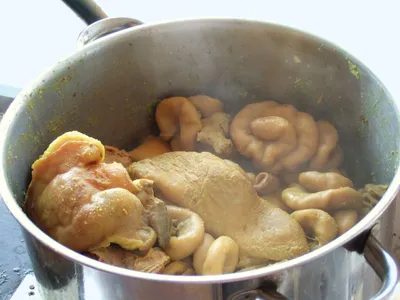
Consider the texture of tripe. It is not just a stomach lining. It is a sponge. It absorbs the broth it is cooked in. Tripe à la mode de Caen is not a quick meal. It is a slow cook. It requires patience. It rewards it.
Sweetbreads are another entry point. They are tender. They fry up quickly. They pair well with simple butter sauces. They do not need heavy seasoning. They stand on their own.
Chitterlings have a reputation for being difficult to clean. They require thorough washing. They need long cooking times. But the result is a chewy, savory dish. It is not for everyone. It is for those who appreciate the whole animal.
The modern kitchen is reclaiming these ingredients. It is not about going back to rural poverty. It is about sustainability. It is about using every part of the animal. It is about flavor profiles that muscle meat alone cannot provide.