

You’ve probably seen it on a sushi menu or sprinkled on top of a fancy canapé. It looks like tiny, translucent pearls. It tastes like the ocean. But what exactly is roe?
At its simplest, roe is fish eggs. Specifically, it refers to the mass of eggs produced by a female fish (known as hard roe) or the mass of sperm, or milt, from a male fish (called soft roe), when they are prepared as food.
It’s not a single ingredient. It’s a category. And while “roe” often brings to mind the bright orange orbs on your caviar toast, the reality is broader.
Not Just Caviar
Most people associate roe with luxury. They think of black caviar from sturgeon. But that’s just one subset. A huge number of fish species produce eggs that are eaten globally.
These eggs are rarely served raw in their natural state. They are usually preserved. Salting is the most common method. Smoking is another. These techniques don’t just add flavor; they make the eggs safe to eat and shelf-stable.
Hard vs. Soft Roe
The distinction matters, mostly for texture and culinary use.
Hard roe comes from the female. These are the actual eggs. When you see red tobiko, yellow masago, or black ikura, you are eating hard roe. They have a distinct pop. They are briny. They are often used as garnish or mixed into rice.
Soft roe comes from the male. It’s actually milt. It’s smoother. Creamier. Less distinct in flavor compared to the briny punch of hard roe. In some cultures, soft roe is considered a delicacy, often cooked into pâtés or served as part of a seafood platter.
Why Eat It?
For many, it’s about the umami. Fish eggs are packed with protein and omega-3 fatty acids. They’re also versatile. You can put them on toast. You can stir them into pasta. You can eat them straight out of the shell if you’re feeling bold.
But there’s a catch. Not all roe is created equal. Sustainability is a real concern. Some fish populations are overfished. If you’re buying caviar, for example, check the source. Sturgeon are vulnerable. Other types of roe, like salmon or trout, are generally more sustainable choices.
Where to Find It
You’ll find it in high-end grocery stores, specialty fish markets, and Asian supermarkets. It’s also common in restaurants that focus on Japanese or Nordic cuisine.
If you’re curious, start small. Try a teaspoon of tobiko on a simple avocado toast. Or mix some salmon roe into scrambled eggs. It’s a mild introduction to a complex ingredient.
The Bottom Line
Roe is more than just fish eggs. It’s a texture. A flavor profile. A tradition. Whether you’re into hard or soft, the key is to enjoy it responsibly. And honestly? Once you get past the initial hesitation, it’s hard to stop.
What’s your go-to way to eat it?
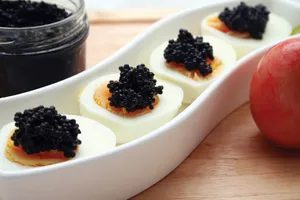
Caviar isn’t just about sturgeon. It is the gold standard for a reason, but it is hardly the only option on the table. When you strip away the luxury branding, you are left with a simple process. Fishermen catch the fish. They extract the egg masses. A fine mesh screen does the heavy lifting here, separating the delicate eggs from tissue and fat. Salt follows. It preserves the roe and, more importantly, wakes up the flavor profile that might otherwise be too mild or metallic on its own.
But if you think caviar is the only game in town, you are missing out on some serious culinary heritage.
Regional Favorites and Traditional Preparations
In Great Britain and Scandinavia, smoked cod roe is a staple. It is not treated as a rare delicacy but as a everyday protein source with a deep, savory punch. The smoking process adds a layer of complexity that pairs beautifully with dense rye breads or simple crackers.
Then there is the Mediterranean. Tarama is the base ingredient for taramasalata, a Greek appetizer spread that relies on salted roe from carp, mullet, or cod. It is creamy, tangy, and deeply umami. This is not just a spread; it is a cultural artifact passed down through generations of home cooks.
Versatility in the Kitchen
Soft roes deserve more credit than they get. They are tender. They cook quickly. You can poach them gently to keep their texture silky or sauté them for a bit more bite. Serve them as hors d’oeuvres or light entrées, and they shine.
Consider the other prized fish roes that often get overlooked. Herring roe brings a briny sharpness. Mackerel roe is rich and oily. Salmon roe offers those distinct, popping bursts of flavor. Shad and sole roes are subtle, acting more as textural accents than flavor bombs.
Which one should you try?
It depends on what you want to taste. If you want intensity, go for the smoked cod. If you want tradition, try the tarama. If you want something that melts in your mouth, poach some soft roe. The world of fish roe is vast. It is not just about expense. It is about technique. It is about respect for the ingredient.
Salt is not just a preservative. It is a flavor enhancer.
Start small. Buy a tin of smoked cod roe. Spread it on toast. Taste the difference between fresh and processed. The texture is key. The salinity should balance the natural sweetness of the eggs.
There is a ritual to eating roe. It is deliberate. You do not rush it. You let it coat your tongue. You notice the brine. You notice the fish. It is an experience that goes beyond mere sustenance.
What happens next is up to you. Do you explore Greek recipes? Do you stick to Scandinavian traditions? The options are endless. The roe is waiting.