
Hair loss used to be a quiet part of aging for men, while women just hid it behind wigs. It wasn’t glamorous. Doctors estimate that one in five women will experience some form of hair loss in her lifetime. Men with receding hairlines tried covering up with toupees, but let’s be honest, some looked ridiculous. They became punchlines.
Things are different now. If you have thinning hair and refuse to accept the status quo, you actually have options. There is no quick fix. There is no magic pill that instantly restores a full head of thick hair. But there are paths forward.
Here is what you can do if you are dealing with hair loss in women.
The Three Main Paths Forward
You aren’t stuck with just one choice. The market has evolved. You generally have three basic options if you want to change your look.
- Sophisticated Hair Replacement Systems : These used to be called wigs. Now they are virtually undetectable. They look like natural hair growth.
- Medications and Topical Treatments : Some ointments can retard hair loss. A few can even encourage new growth. Results vary.
- Surgical Procedures : This includes hair transplantation and scalp reduction. These are invasive but permanent.
This guide will walk you through the causes of hair loss. We will look at the psychological fallout, because losing your hair can feel like losing a part of yourself. We’ll discuss how to pick a plastic surgeon. These professionals have been doing this for 35 years. You need to choose the right procedure. You need to know what to expect before and after surgery. We will also cover the latest in medications and hair additions.
Keep your expectations realistic. Exercise patience.
Understanding How Hair Works
To understand the fixes, you need to understand the damage. Let’s do a quick review of how hair works. This helps when you start looking at transplantation procedures.
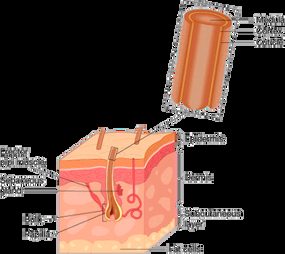
Typical mammalian hair consists of two main parts. The shaft protrudes above the skin. The root is sunk in a follicle, or pit, beneath the surface.
Except for a few growing cells at the base of the root, the hair itself is dead tissue. It is composed of keratin and related proteins. The hair follicle is a tube-like pocket of the epidermis. It encloses a small section of the dermis at its base.
Human hair is formed by rapid divisions of cells at the base of the follicle. As these cells are pushed upward, they harden. They undergo pigmentation. The process is complex.
There is no quick or sure-fire way to replace your dwindling follicles with a full, thick head of hair.
This biological reality matters. You are dealing with living tissue at the base. You are trying to influence a biological process. That takes time. It takes science. It takes money.
Most women don’t realize how common this is until it happens to them. The stigma is fading, but the insecurity remains. You might feel older. You might feel less feminine. That is normal. The goal isn’t to erase that feeling overnight. It’s to give you control back.
Whether you choose a high-tech wig or a surgical procedure, the first step is understanding your own biology. Your hair follicles are working for you, or against you. Knowing which is which helps you make a choice that actually fits your life.
So, where do you start?
The Science Behind Your Strands
Here is something you probably don’t think about until a clump goes down the drain in the shower. The hair on your head, your brows, and your lashes are fundamentally different from the fuzz on the rest of your body. Scalp hair is a heavy-duty project. It grows at a steady pace of about half an inch (1.3 cm) every single month. That might not sound like much, but it adds up. A single strand can stick around for three to five years before it finally gives up and falls out.
You are walking around with between 100,000 and 150,000 hairs on your head right now. That is a lot of real estate to manage. So when you see a few extra strands in your brush, panic is the last thing you need.
What causes hair loss?
It is rarely one big thing. Usually, it is a combination of genetics, hormones, and lifestyle. But knowing how it happens helps you stop blaming yourself.
- Genetics: If your mom’s mom had thinning hair, you might be in the same boat.
- Hormones: Pregnancy, menopause, or thyroid issues can shift the balance.
- Stress: Physical or emotional shock can push hair follicles into a “resting” phase.
- Diet: Not eating enough protein or iron can starve your roots.
“Most of us lose 50 to 100 hairs a day. It’s normal. It’s part of the cycle.”
If you are noticing a change, look at your routine. Did you start a new medication? Did you go through a breakup? Did you switch shampoos? The answer is often hiding in the details of the last few months.

Debunking The Myths You Were Sold
If you grew up believing that wearing hats caused baldness or that poor circulation was the culprit, you were lied to. All those old wives’ tales are false. You didn’t need to avoid beanies to save your strands. And no, looking at your maternal grandfather’s head won’t predict your own hair fate.
Here is what isn’t true:
- Checking your maternal uncles will tell you if you’ll go bald. False.
- Men who keep their full heads of hair at forty will never lose it. False.
- Brushing your hair one hundred times a day improves health. False. It doesn’t.
Experts agree that alopecia stems from a mix of aging, hormonal shifts, and genetics from both sides of your family. It isn’t random. It’s biology.
The Two Main Types of Hair Loss
Hair loss generally falls into two buckets. Understanding which bucket your hair falls into changes everything.
Anagen effluvium is permanent. It happens when hair follicles are destroyed. This is usually tied to strong internal medications. Chemotherapy agents poison the growing follicles directly. The hair falls out. It doesn’t come back in the same way.
Telogen effluvium is temporary. It involves damage that pushes follicles into a resting stage. The hair thins out. It can grow back once the trigger is removed.
Common causes for this temporary shedding include:
- Physical stress like surgery, serious illness, anemia, or rapid weight changes
- Emotional trauma such as mental health struggles or the death of a loved one
- Thyroid abnormalities
- Medications including high doses of vitamin A from supplements, blood pressure drugs, or gout treatments
- Hormonal changes during pregnancy, while on birth control pills, or during menopause
Androgenetic Alopecia Explained
Up to 95 percent of permanent hair loss is androgenetic alopecia. This is the hereditary condition responsible for what we call pattern baldness. It affects millions of men, women, and children.
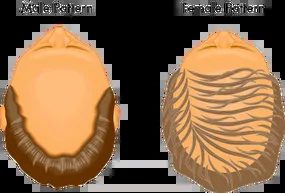
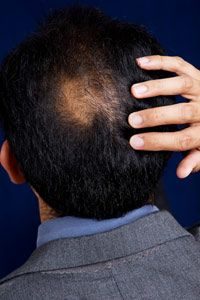
Male pattern baldness usually starts with a receding hairline at the front or thinning at the crown. Over time, it progresses. In extreme cases, only a thin horseshoe-shaped rim of hair remains at the back and sides of the head.
Female pattern baldness is different. It has gained more attention recently. It refers to general thinning all over the scalp. It rarely results in complete baldness for women. Instead, the hair becomes sparse. This usually begins around age thirty. It becomes more noticeable after forty. The drop in estrogen after menopause often accelerates the process.
“Female pattern baldness refers to general thinning of hair all over the scalp, usually beginning at around age 30 and becoming more noticeable after 40 and particularly after menopause.”
Why This Matters For You
Knowing the type of loss helps you stop wasting money on shampoos that claim to boost circulation. If you have androgenetic alopecia, those myths about hats and brushing won’t help. You need treatments that target hormonal pathways or genetic factors.
If you are experiencing sudden thinning, check your stress levels. Have you had surgery? Are you taking new meds? Is your thyroid acting up? These are the real triggers for telogen effluvium.
Fix the root cause. The hair often returns.
But if it’s genetic? You need a different strategy. Early intervention matters. You can’t change your DNA. But you can manage the progression.
Which path is your hair taking? That determines your next move.
It isn’t just aging or bad luck. While genetics play a role, the real culprit speeding up androgenetic alopecia is an over-abundance of dihydrotestosterone (DHT ) in the hair follicle. Think of DHT as a super-charged version of testosterone. It’s the hormone behind certain masculine traits—aggression, libido—but on the scalp, it’s a destroyer.
An enzyme called 5-alpha reductase converts testosterone into DHT. You’ll find this enzyme in the prostate, adrenal glands, and, crucially, the scalp. Over time, this chemical reaction causes hair follicles to degrade. It also shortens the anagen phase—the active growth stage of the hair cycle.
The follicle doesn’t die immediately. It stays alive with a healthy blood supply. That’s why a transplanted follicle (immune to DHT) can survive anywhere. But the original follicle shrinks. It produces weaker, thinner strands. The growing cycle gets progressively shorter. More hairs fall out. The remaining ones become so fine they can’t withstand daily wear and tear.
“Hairs in balding areas gradually change from long, coarse, thick, colored hairs into fine, unpigmented, fuzzy hairs.”
Alopecia Treatments

Navigating Androgenetic Alopecia Solutions
Let’s be real. If you’re dealing with pattern hair loss, the first step isn’t always a pill. Sometimes it’s therapy. Talking to a professional counselor helps you process the emotional toll, which is huge. Then there’s the practical side. A skilled haircut can change everything. It’s not magic, but strategic styling diffuses the visual impact of thinning spots. For those who want more drastic measures, hair additions like wigs or extensions are viable. Hair replacement surgery is another route, though it’s invasive.
Most people, though, turn to minoxidil. It’s the only FDA-approved medication for both male and female pattern hair loss. You know the brand. You’ve seen the ads. It comes in two flavors. Topical, over-the-counter, and oral, by prescription. The science says it’s better at stopping the loss than regrowing what’s gone. But plenty of users report getting both. It’s a slow process. Patience is the real ingredient here.
Understanding Alopecia Areata
Then there’s the other side of the coin. Alopecia areata. According to the American Hair Loss Council, this isn’t just an adult problem. It hits men, women, and kids. Millions are affected. It’s non-scarring. It’s inflammatory. And for most, it’s temporary.
Here’s the thing about the timeline. Almost 90 percent of people with this condition experience it in episodes. It comes and goes. The prevailing theory? It’s autoimmune. Your immune system trips up. It mistakes hair follicles for enemies and stops them from producing fiber. Usually, the body’s own management system kicks in to fix the glitch. But until it does, the emotional damage is real. Low self-esteem. Depression. You need support. Friends and family matter more than you think during the gap.
Heredity plays a smaller role here than in pattern baldness. The National Alopecia Areata Foundation notes only about 20 percent of cases are linked to genetics. So if your mom went bald early, that’s not necessarily your blueprint for this specific type.
There’s no single blood test to confirm it. You need an experienced dermatologist. They can usually spot it by eye. If they’re unsure, they’ll take a small skin biopsy for microscopic examination. Definitive diagnosis is key.
The signs are distinct. Patchy loss. Small, smooth circles on the scalp. Sometimes on the body, too. It can happen fast. Within 24 hours, you might go from having hair to not having it in that spot. Some people feel tingling. Or pain. It’s a physical warning before the visual one.
We also have the advanced forms. Alopecia totalis. That’s total scalp loss. Alopecia universalis. That’s hair loss over the entire body. Then there’s ttraction alopecia. This isn’t autoimmune. It’s physical stress. Tight braids. Cornrows. Weaving. If you pull too hard on weak hair for too long, the loss can be permanent. It’s a cautionary tale for tight hairstyles.
Treatment paths diverge sharply here. We’ll get into the specific medical interventions for alopecia areata next.

There is no cure for alopecia areata. Treatments work to varying degrees, but patchiness responds better than totalis or universalis cases. Hair transplants simply don’t work here. Doctors call it “recipient dominant.” The bald patch offers no potential for hair growth. It rejects the transplant.
If medical treatments fail, options shift to wigs or coverings. Some insurance companies pay for wigs. The American Hair Loss Council has a list of these providers. Turbans and scarves also work well. Avoid small hair pieces for patchy areas. Experts advise against this. The alopecia might advance in a few weeks. The piece becomes useless. Wait for a dermatologist to confirm your condition is stable. Only then do more options open up.
For children, support matters. Experts suggest parents back their child’s choice of a wig or prosthesis. Pressure creates self-consciousness. Don’t make the child feel weird about their look. Support groups exist nationwide. Contact the National Alopecia Areata Foundation to find one near you.
Chemotherapy-Related Hair Loss
Chemotherapy drugs poison rapidly reproducing cancer cells. Hair shaft and nail cells also reproduce quickly. So the drugs destroy normal growth cells too. That is why cancer patients shed hair and nails. No shampoos or cosmetics prevent this. It just happens.
The good news? Hair usually grows back within six months to a year after treatment ends. It’s temporary. But it feels permanent in the moment.
Drugs and Ointments
Pharmaceutical treatments use chemicals to affect hair follicles. They aim to stop loss and promote growth. Some medications shrink and enlarge follicles again. They treat sudden temporary loss and chronic progressive loss.
You can apply them to the skin. Take them by mouth. Get them injected. Prescription drugs are powerful. They have serious side effects if misused. Over-the-counter versions are less powerful. They target conditions not needing skilled diagnosis. They cause fewer harmful side effects.
Minoxidil
Minoxidil is a hair growth stimulant. Oral minoxidil was originally for high blood pressure. Patients taking it daily grew body hair. This led to topical minoxidil.
It’s sold over-the-counter. The 2 percent form is HealthGuard by Bausch & Lomb. The 5 percent form is Rogaine by Pharmacia & Upjohn. These stimulate growth in men with pattern baldness. For women, they help growth on the forehead area.
Pregnant or nursing women should avoid minoxidil. Extra-strength formulas aren’t designed for women. They can cause facial hair growth. And other problems.
Minoxidil is dose-dependent. You must continue treatment to keep benefits. Regular Rogaine goes on a dry scalp twice daily. Leave it for at least four hours. It takes four months to see results. Extra-strength works faster. About 45 days.
Oral minoxidil lowers blood pressure. Increases heart rate. Causes weight gain from fluid retention. Inflamed scalps absorb more topical minoxidil. This mimics oral side effects. People with heart failure or major coronary disease should avoid it. Those with high blood pressure need to consult a doctor first.
Topical minoxidil shouldn’t mix with other creams. Skin side effects include irritation. Itching. Hives. Swelling. Sensitivity.
We’ll look at other medications next.
How Finasteride Actually Works
Finasteride hit the market in 1998 as Propecia, a 1-mg tablet made by Merck Pharmaceutical. The FDA approved it specifically for treating androgenetic alopecia. If you’ve seen the 5-mg version, that’s Proscar. It’s been around longer and is primarily used for prostate issues, but it contains the same active ingredient.
Here is the mechanism. Finasteride drops the concentration of DHT, the male hormone linked to hair loss, by about 60 percent. One pill a day. Since DHT shrinks hair follicles, blocking it can reverse that damage. You’ll usually see results after three months. It is dose-dependent.
Does it work for women? Generally, no. Finasteride is not considered beneficial for female pattern baldness.
Some experts argue that combining minoxidil with finasteride yields better growth than either drug alone. You need to talk to a doctor before trying this combo. Be aware of side effects. Decreased libido and groin aches are common complaints.
Other Prescription Options
Retin-A is another option. The brand name is Ortho Pharmaceutical’s Retin-A. It can be used alone or with minoxidil for male pattern baldness. The theory is simple. Retin-A increases absorption. This lets more minoxidil reach the hair follicle cells.
Light degrades Retin-A. Use it only at night. If you’re using a combination formula, wear a hat or stay in the shade.
Xandrox offers solutions similar to Rogaine. They come with varying mixes of minoxidil, Retin-A, and azelaic acids. Ask your pharmacist to help you pick the right formula. Don’t guess.
Over-the-Counter Products
Shampoos that promise thicker hair are largely misleading. The FDA confirms that no shampoo or hair product can actually create thicker hair. What they do is plump up the hair shaft. It creates the illusion of fullness. It washes away.
There is one practical workaround. Hair fiber sprays or makeup that matches your scalp color. It’s cheap. It’s fast. It’s safe.
Manufacturers claim it won’t run when wet. It washes off with normal shampoo. You can’t create a fake frontal hairline with it. But if you can’t afford surgery or a new wig, it’s worth a look.
People have been covering up thinning hair for millennia. Sure, they used to just call them wigs. Now, the terminology has exploded, and the technology has shifted dramatically toward a look that passes as natural. One of the biggest trends right now? Temporary hair additions during the long, awkward wait for surgical hair restoration. Since transplants can take one or two years to fully mature, people don’t want to walk around with patchy, incomplete results. They want privacy.
But what exactly are we talking about? A non-surgical hair addition is any external device—whether it’s human hair, synthetic fiber, or a mix—that sits on your scalp or existing hair to create density. This bucket includes weaves, extensions, toupees, partial prostheses, and non-surgical replacements. They aren’t a monolith. They vary wildly in quality, attachment methods, and maintenance requirements.
How Partial Hair Additions Actually Stay On
Partial additions are currently more popular than full wigs for good reason. They integrate with what you already have. But they don’t just stick there by magic. You need anchor points.
Most techniques rely on your existing hair or your skin. If you’re going the hair-based route, you’re looking at weaving, fusion, bonding, or cabling. These methods are designed for people with active lifestyles. They need security. They need to survive a workout or a windy day. The catch? They are entirely dependent on your natural hair growth. As your hair grows out, the tension changes. You have to go back to have them tightened or reattached.
There is a serious warning here: if these techniques stress your existing hair too much, you risk permanent damage. Weaves done incorrectly, or clips pulled too tight, can cause permanent hair loss. It’s not just about looking fuller; it’s about preserving what you have.
Then there are the skin-based anchors. This involves adhesives. Think two-sided tapes or waterproof liquids. Most are safe. But your skin is an organ. It can react. A dermatologist should always run a patch test before you commit to any adhesive. Check for allergies. Better to know now than to have a rash while trying to look confident.
The Real Cost of Non-Surgical Hair Solutions
If your hair loss stems from illness, chemotherapy, or physical abnormalities, these devices are often your best immediate solution. In those cases, insurance might actually cover the cost. Male or female pattern baldness? Usually not covered. But disease-related loss? That’s a different conversation with your provider.
Be prepared for the price tag. A quality, custom-made hair addition can range from $750 to over $2,000. And that’s just the starting point.
The expenses don’t stop at the initial purchase. This is high maintenance by design. You will always need at least two hairpieces. One on your head. One in the shop being re-styled. You cannot wear the same piece two days in a row if you want it to last.
Expect to replace both pieces every year to 18 months. Even if they use human hair, that hair is constantly dyed, brushed, and permed to match your changing color and style. It gets over-processed. The strands break. The base material degrades from constant reattachment. It’s physics. Things wear out.
You will also need to visit the hair center every four to six weeks. Trimming, reattaching, blending. It becomes part of your routine. Like a car service. Or a dental cleaning. Expensive, but necessary for the look to hold up.
Combining Surgery with Systems
The industry is seeing a surge in people using these systems to fix bad hair transplants or to bridge the gap between surgery and full density. The Hair Loss Council points out a common scenario: a person with severe baldness who wants a straight-back style.
They might only have enough donor hair for a transplanted hairline. Nothing behind it. So they use a hair addition behind that new front line. The result? They can comb their hair straight back. It looks natural. It works. It combines the permanence of surgery with the density of a system.
Is it the right move for you? That depends on how much you value maintenance versus one-and-done solutions. But for many, it’s the only way to get the look they want without waiting years for grafts to grow.
Hair Transplantation
Hair transplantation is essentially a relocation job. You take small, hair-bearing pieces of scalp—grafts or plugs—from a donor site and plant them into bald or thinning zones. The donor site is usually the back or sides of the head, where hair tends to be thick and resistant to loss.
A History of Moving Skin and Roots
The story doesn’t start with modern aesthetics. It starts with trauma. Historians trace the roots of hair restoration to 1930s Japan. Doctors were experimenting with moving skin, hair, and roots from one part of the body to another. The goal wasn’t vanity. It was reconstruction. They were repairing disfigurement caused by war injuries and accidents.
It took decades for the focus to shift from repair to restoration.
In the 1950s, American dermatologist Norman Orentreich changed the game. He published findings on moving hairy skin to bald areas. But he didn’t just move it. He proved it kept its original genetic identity. This is the theory of donor dominance.
“Hair, when moved, will continue to grow as it would have in its original site.”
This is why we use the sides and back of the head. That hair is genetically programmed to last. It stays permanent. Orentreich realized this could be used to replace hair lost to balding. He is credited with the first idea of using transplantation for cosmetic hair loss.
Why Results Have Improved Drastically
Dr. Stephen Cotlar notes that hair transplantation is now the number one cosmetic procedure for men. The surge in popularity over the last six to seven years isn’t because men are more vain. It’s because the results actually look good now.
The basic concept hasn’t changed. The core mechanics of moving hair remain the same. The improvement lies in the graft size.
Older techniques used large grafts. If you see a man with a “garden patch” appearance, that’s what you’re looking at. The hair looks clumped. It looks like a sprout. It looks unnatural. These large plugs were standard until about a decade ago.
Surgeons started looking critically at their own work. They realized the correlation between large grafts and poor aesthetic results. The solution was to go smaller.
Mini-Grafts and Micro-Grafts
The shift to mini-grafts and micro-grafts was a direct response to the “pluggy” look. Smaller grafts contain fewer hairs. Fewer hairs mean less clumping. Less clumping means a more natural hairline and density.
This era of micro-technology allows for a result that blends seamlessly with existing hair. It’s not about hiding the surgery anymore. It’s about making the surgery invisible.
Understanding these technical shifts helps explain why the procedure is no longer a last resort for severe baldness. It’s a precision tool. And as the technology continues to evolve, the line between transplanted hair and natural growth is becoming harder to spot.
What does this mean for you? If you’re considering the procedure, the question isn’t just about getting hair back. It’s about getting hair that looks like it was always there. The difference is in the detail. In the graft. In the tiny, unnoticeable choices made by the surgeon.
The field is moving faster than most people realize. The “ugly” phase of hair transplants is largely a thing of the past. But the demand for perfection is pushing techniques into new territory. Where that ends? No one knows yet.
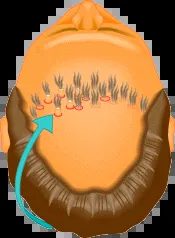
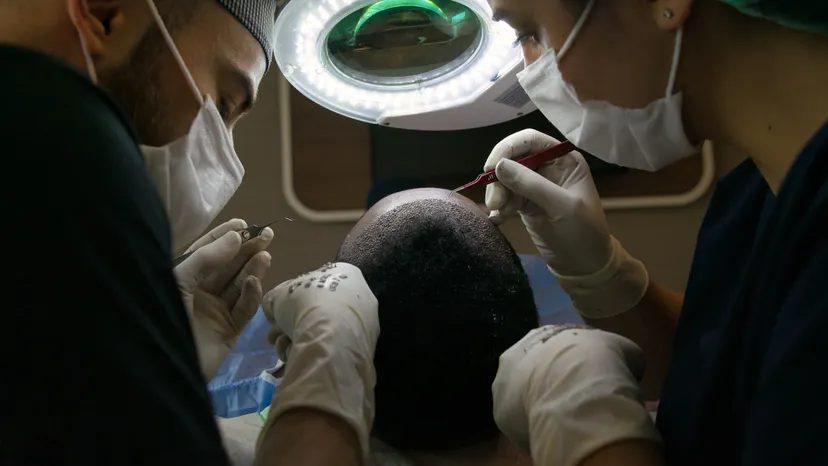
Hair transplantation is not adding new follicles to your head. It is a relocation game. You take small pieces of hair-bearing scalp from a donor site, usually the back or sides of your head, and move them to the thinning or bald areas on top. This process, called grafting, is now standard in clinics worldwide.
The grafts themselves come in different sizes. Your surgeon chooses based on where you need coverage and the desired density.
- Punch grafts: Round pieces of skin. They hold about 10 to 15 hairs each.
- Mini-grafts: Smaller units with 2 to 4 hairs.
- Micro-grafts: Tiny fragments with just 1 to 2 hairs.
- Slit grafts: Thin strips containing 4 to 10 hairs.
- Strip grafts: Long, thin sections with 30 to 40 hairs.
You rarely get full results in one go. Healing intervals of several months are usually recommended between sessions. Expect the final outcome to take up to two years to fully materialize.
Graft Selection and Coverage
What you need depends heavily on your hair. Coarse, light-colored, or gray hair covers more scalp than fine, dark strands. This is a practical detail often overlooked by people focused only on the surgery.
The number of grafts varies wildly by type. The average first session might use about 50 large plugs. If you are using mini or micro-grafts, that number can jump to 700 in a single visit.
Graft selection is not one-size-fits-all. Your hair texture and color dictate how much coverage you actually get from each follicle unit.
The Procedure: Step by Step
Before the surgery starts, the donor area gets trimmed short. This makes removal easier for the medical team. Your doctor applies a local anesthetic, similar to what a dentist uses. You stay awake. You feel pressure, but not pain.
If punch grafts are the method, the surgeon uses a sharp carbon steel tube to punch out round pieces of scalp. Precision is key here. The doctor must ensure the hair grows in a natural direction. They also have to be careful not to damage the surrounding hair at the donor site.
For other types, a scalpel removes small sections of hairy scalp. These are divided into tiny pieces and placed into small holes or slits in the balding area. To keep the skin strong during the procedure, the doctor may inject small amounts of saline into the scalp periodically.
Scarring and Recovery
What happens to the donor site? It depends on the technique.
Punch graft sites might be closed with a single stitch each. Other methods leave a small, straight-line scar. Fortunately, the surrounding hair usually conceals these marks.
Grafts are placed about one-eighth of an inch (3 mm) apart to maintain healthy blood circulation. Later sessions will fill in the gaps between these initial plugs.
Once the grafting is done, your scalp is cleansed and covered with gauze. Some doctors require you to wear pressure bandages for a day or two. Others let you recover without them. It varies by clinic protocol.
Megasessions vs. Staged Restoration
The real debate in modern hair restoration is not about the technique itself, but the timing. Staged restoration has been the traditional model. You plan for multiple sessions.
A typical staged session averages 150 to 300 grafts. Sessions are spaced three to four months apart. If you are significantly balding, you might schedule four or more sessions. That timeline stretches to two years or more before you see the final result.
Enter the megasession.
This trend involves placing far more grafts in a single visit. We are talking about numbers up to 3,000. It is technically demanding. The margin for error is slim. The session is lengthy. It requires more staff.
A large session of 2,000+ grafts can take over eight hours. It might need four or five assistants. The surgeon removes the hair-bearing scalp and closes the wound. Then, they hand the donor hair to the team. The assistants prepare the grafts and place them. The doctor often just makes the holes.
Why Choose a Megasession?
Proponents argue for efficiency. Fewer surgeries mean less time away from work and life. If you are traveling from out of town, this is a massive advantage. You do it once, not four times.
There is also a financial angle. Many physicians charge less per graft when placing larger numbers.
The Counterargument
Doctors who oppose megasessions point to survival rates. When grafts are packed extremely close together in huge sessions, the overall survival rate can drop. Blood supply becomes a limiting factor.
They also point to the progressive nature of hair loss. Planning multiple smaller sessions offers flexibility. You can adjust to future thinning. Even with megasessions, a repeat procedure is often necessary for optimal density.
We will look at other surgical techniques for hair replacement in the following sections.
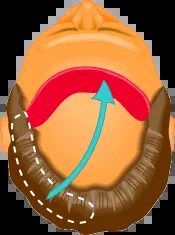
Flap Surgery: Moving Large Sections of Hair
You want a full frontal hairline by tomorrow. You wake up, look in the mirror, and it’s there. Natural. Yours. This is the only procedure that promises such an immediate transformation.
It sounds too good to be true because it is invasive.
This technique has been around for two decades. It involves moving a large chunk of hair-bearing skin. A flap. You take it from the back or sides of your head. You plant it right into the balding zone. The size depends on what you need. The placement depends on your anatomy.
Think of it as a shortcut. One flap can replace the work of roughly 350 punch grafts.
The surgeon sews the flap into its new home. It stays attached at one end. That keeps the blood supply alive. As you heal, the scar gets hidden by the relocated hair. It grows right up to the edge of the incision.
There is a catch, though.
The surgery is extensive. You need general anesthesia to sleep through it. Your doctor must have specific training. Not everyone can do this well.
And the scars? You get them. One above the flap. One below it.
Sometimes the hair grows at the wrong angle. It might look like it’s coming from the side of your head. That can look strange. Unnatural.
Plastic surgeons have tweaked the process over the years. They combine flap surgery with other methods now. Scalp reduction helps cover the crown better. Tissue expansion improves frontal coverage. The goal is a more natural hairline.
Tissue Expansion and Scalp Reduction
If flaps are about moving hair, these two are about creating space.
Tissue expansion is a slow process. It requires patience. The surgeon places a balloon-like device under your scalp. You fill it with saline over weeks. The skin stretches. More skin grows.
Then comes the second stage. The surgeon removes some of that extra skin. Or uses it to cover a bald spot. It’s great for frontal coverage. You get a lower hairline without pulling tight.
Scalp reduction takes a different approach. It’s faster. The surgeon removes a strip of bald skin from the top of the head. They pull the remaining hair-bearing scalp together. Then they suture it shut.
This is for dramatic change. Modest changes don’t need this kind of surgery.
Both procedures often require general anesthesia. They leave scars. Linear scars, usually hidden by surrounding hair. But the trade-off is significant. You gain density. You gain coverage.
Which option fits your head shape? Your hair type? Your tolerance for downtime?
The answers aren’t in a brochure. They’re in a consultation. With a surgeon who has done these specific techniques before. Because the difference between a good result and a bad one is often in the details of the closure. The angle of the cut. The tension on the sutures.
It’s not just about moving hair. It’s about making it look like it was always there.
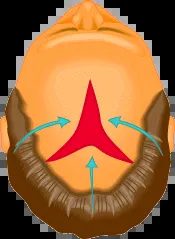
Scalp Reduction
Picture this: you slice out the bare patch at the back of your head and stitch the hairy edges together. That’s scalp reduction. It’s also called advancement flap surgery. Surgeons pull hair-bearing skin forward to cover a bald crown. It doesn’t work for a receding hairline, though.
The process starts with local anesthetic. A numb scalp is easier to work on. Then comes the cut. The shape of the removed skin varies. It depends on the patient. For heavy coverage, doctors often use an inverted Y-shape. Sometimes it’s a U. Or a pointed oval. Whatever fits the loss.
Loose the skin. Pull it tight. Bring the hair-bearing sections together. Stitches do the rest. You will feel it. A strong tug. Maybe some pain. Most people need multiple sessions. Success hinges on three things: scalp laxity, how much hair you’ve lost, and your age. Flaps or grafts usually pair with this procedure.
It’s not all smooth sailing. The head skin isn’t infinitely elastic. You can’t just yank out big chunks. A few square inches per session is the limit. That means months of surgery. Pain. Healing cycles. Repeat. Scars show up between sessions. Your head might feel tight for weeks. Or months.
We’ll look at scalp expansion and extension techniques in the next section.
Scalp Expansion and Extension

When a planned scalp reduction leaves the skin too tight to close comfortably, surgeons have two main tools to make the procedure viable: expansion and extension. It isn’t just about forcing the skin together. You need actual surface area to work with. Tissue expansion is the heavy lifter here. It’s the go-to method for creating extra skin when you’re short on coverage. This process also preps patients for more complex flap surgeries down the line.
The Role of Tissue Expansion in Hair Restoration
Plastic surgeons dominate the field of tissue expansion. They use it to rebuild skin lost to burns or severe trauma. But in hair restoration, the results are just as dramatic. The goal is simple: significant coverage in a relatively short window.
If your scalp feels like it’s pulling at the edges after a reduction, expansion offers a solution. It stretches the existing tissue. You get healthy, matching skin without grafting hair from another part of the body. This is crucial for patients who have limited donor areas or who want a natural hairline without patchy grafts.
Why Choose Expansion Over Simple Reduction?
A tight scalp can lead to complications. Scars can widen. The hairline can look unnatural. Expansion solves the tightness by adding surface area. It’s a gradual process but it yields better aesthetic outcomes.
Think about it this way:
– Reduction removes hair-bearing skin. It shrinks the bald area.
– Expansion creates new skin. It stretches the healthy scalp.
When the scalp is too tight, reduction alone fails. You end up with tension. That tension causes poor healing. Expansion removes the tension. It gives the surgeon room to maneuver.
Preparing for Flap Surgeries
Expansion isn’t just for standard hair replacement. It’s also the foundation for flap surgeries. If a patient needs more complex reconstruction, expansion preps the site. It ensures there’s enough viable tissue to move around.
This is especially useful for those with extensive balding. Or for people who have had previous surgeries that left scars. Expansion provides a buffer. It allows for safer, more precise surgical planning.
The bottom line? If your scalp feels stretched to its limit, expansion is likely your best bet. It’s not a quick fix. But it’s the most reliable way to ensure your hair restoration looks natural and heals properly.

If you’ve been researching surgical fixes for thinning hair, you’ve likely stumbled upon tissue expansion, a technique that sounds more like industrial manufacturing than a beauty procedure. But it’s real, and it’s one of the few ways to generate new hair-bearing skin rather than just moving what you already have.
The Mechanics of Tissue Expansion
Here’s how the process actually works. A surgeon makes an incision in the scalp, right next to the balding zone. Underneath the hair-bearing skin, they slide in a balloon-like device called a tissue expander.
It sounds uncomfortable, but it’s not unlike getting a breast implant. The surgeon fills this device with sterile saline solution over several weeks. You’re in the office, sitting still, while they pump in more fluid.
The goal is simple: stretch the skin.
As the balloon inflates, it pushes against the surrounding tissue. Your body responds by creating new skin cells. A bulge forms beneath the hair. It’s awkward. It’s noticeable. But it’s necessary.
After about two months of this gradual stretching, the skin has expanded enough. The surgeon performs a second procedure. They remove the expander and pull that newly expanded, hair-covered skin over to cover the bald area.
It’s a slow game. But it gives you actual hair-bearing scalp where there was none before.
Is Laser Surgery Worth the Hype?
Lasers entered the hair transplant scene in 1992. The results? Mixed. Early versions used strong, continuous beams that sometimes caused traumatic injuries to the scalp. It was messy. It was risky.
Today, the technology is different. The FDA has approved newer, safer pulsating lasers. These devices fire light beams up to hundreds of times per second. Why so fast? To avoid heat buildup. Heat kills. You don’t want to cook the vascular layers of your scalp.
Laser recipient sites are tiny holes, ranging from 0.3 to 0.8 millimeters. Some surgeons prefer traditional strip grafts here, but the laser crowd argues that small pulses prevent compression of the newly placed grafts. Less pressure means better survival rates for the hair follicles.
After the laser creates these recipient sites, a small probe enters the scalp’s vascular layer. This step is critical. You have to access the blood supply for the grafts without damaging the delicate components of that layer.
The anesthesia process remains standard. You’ll get a local anesthetic, preceded by an analgesic cream to take the sting out of the needle. The laser itself doesn’t harvest the hair. That’s still done with a scalpel. Once the donor grafts or strips are removed, the area is sealed with an infrared coagulation device. Then, sutures.
Sutures usually come out in ten days.
How Do I Find the Right Surgeon?
Hair replacement can boost your confidence. It can change how you look. But it rarely matches the ideal you have in your head. You have to be honest about that before you even book a consultation.
All these techniques rely on one thing: your existing hair. The surgery isn’t about creating hair. It’s about using what you have as efficiently as possible. If you have alopecia areata, a sudden patchy hair loss condition, you generally aren’t a candidate for transplantation. There’s no donor hair to move.
Donor areas are the key. You need healthy hair growth at the back and sides of your head. These are the zones where grafts and flaps are taken. Your hair color, texture, and waviness also play a huge role in the final look. A surgeon can’t magically make straight hair curl or vice versa.
So, where do you start?
See a qualified dermatologist, dermatologic surgeon, or plastic surgeon to determine the cause of your hair loss first. This step eliminates certain replacement strategies that won’t work for your specific condition. Once you know why you’re losing hair, an experienced surgeon can help you decide which procedure fits.
But how do you find that surgeon?
Ask your family doctor. Check with city, county, or state medical agencies. Your hair stylist might know someone who does good work. The local Better Business Bureau is another resource. Major hair replacement organizations also maintain lists of qualified professionals.
It’s usually best to pick a surgeon who lives and works in your community. You’ll likely need multiple sessions. If complications arise, you need someone close by. Plus, you can talk to their previous patients. Word of mouth is a powerful tool.
Look for membership in well-known professional organizations. These groups set standards.
- American Society of Plastic Surgeons
- American Academy of Cosmetic Surgery
- American Academy of Facial Plastic and Reconstructive Surgery
- American Society of Dermatologic Surgery
Credibility matters. But so does trust.
Some surgeons will operate on anyone who asks and pays. They’ll take your money and give you a procedure you don’t need. Others will turn you away. If a surgeon has rejected many candidates because they weren’t appropriate for the surgery, that might be a good sign. It suggests they care about the outcome more than the procedure count.
Finding a qualified surgeon isn’t just about credentials. It’s about finding someone who sees your hair loss not as a sales opportunity, but as a medical and aesthetic challenge they’re equipped to handle honestly.
Is a hair transplant right for you?
Think of getting a hair transplant like renovating your house. It is expensive. It takes time. And you really want to get it right the first time.
Quality matters more than speed.
There is one big difference between a bad remodel and a bad transplant. You can fix a bad contractor. You cannot fix a bad transplant if you run out of donor hair. Once those follicles are gone, they are gone.
Also, manage your expectations. You will not get the exact coverage you had at age twenty. Surgery camouflages thin areas. It adds fullness. If you have very little hair left, a surgeon might tell you that you are not a good candidate. That is a hard truth.
Safety and risks
Hair replacement surgery is generally safe if a qualified, experienced physician performs it. But humans are unpredictable. Healing varies. Outcomes are never 100% guaranteed.
Every surgery carries risk. Infection is possible.
In hair transplants, there is a chance some grafts will not take. Usually, the hair falls out before regrowing. Sometimes the skin plug dies. Then you need more surgery.
Hair loss doesn’t stop after the procedure. If natural hair keeps thinning around the new hair, you might end up with a patchy look. This can require additional sessions.
Choosing the right surgeon
This is not a one-size-fits-all treatment. You need a doctor who knows multiple techniques. Do not settle for a surgeon who only offers one solution.
In your first consultation, they will look at your hair loss pattern. They will ask about your family history. They will check for previous surgeries.
They will also ask about your lifestyle. Do you smoke? Are you taking aspirin or other drugs that affect clotting? Do you have uncontrolled high blood pressure? These conditions can cause problems. Be honest.
Once you agree on a plan, the doctor will explain the anesthesia and location. Usually, this happens in their office or an outpatient clinic. They will outline the risks and costs.
Ask questions. Lots of them.
How many sessions will you need? It depends on how bald you are and how many grafts are used per session.
Ask about “megasessions.” This is when up to 3,000 grafts are placed in one go. Some surgeons prefer this. Others stick to shorter, traditional sessions. Typical sessions last two to three hours.
Ask to see before-and-after photos. Ask what you will look like after each stage. Do not let them guarantee a specific outcome. But getting a realistic idea helps.
The right procedure depends on your unique situation. Your hairline, your density, your budget. It is a personal choice. But it is also a medical decision. Make sure you understand what is happening before you lie down on the table.
Preparing for the Procedure
Your surgeon will hand you a list of rules. Follow them. It is not optional.
Smoking is the enemy here. Stop at least a week or two before the cut. Smoke restricts blood flow to the skin. It kills healing. If you keep smoking, you risk the surgery failing.
You will have blood tests. Wash your hair the night before or the morning of. Do not cut it. Surgeons prefer the donor sites hidden by moderately long hair right after the procedure. It looks less obvious.
Arrange a driver. Hospital stays are rare. You will need to rest for a couple of days. Get help if you think you need it.
What to Expect After Hair Replacement Surgery
Pain is mild. Pain medication handles it. But do not wear a wig for two weeks. This is non-negotiable.
The real challenge? Patience.
You will not see the final look immediately. The larger grafts often shed due to trauma. This is normal. Regrowth starts in two to six months. Smaller grafts might grow right away. They behave like hair in its original, non-balding spot.
Be realistic. You cannot expect a “full head” of hair. The surgery redistributes what you have. It optimizes the cosmetic advantage. Almost every graft will produce hair. Occasionally, some produce less.
The grafts take weeks to anchor. Be gentle. You can shampoo gently daily after three days. Use a mild, non-medicated shampoo for the first few weeks.
Returning to work depends on the surgery’s complexity. Many people go back after several days. Light activity is fine.
How Much Does Hair Replacement Cost?
Costs range from $4,000 for minor loss to over $20,000 for extensive loss. The price depends on the procedure. Flap surgery, scalp reduction, and tissue expansion cost more.
Some surgeons argue that hair replacement is cheaper than maintaining a high-quality hairpiece over time.
You may need a touch-up. This creates a more natural look once incisions heal. It might involve blending the hairline with mini-grafts or micro-grafts. If you had a flap procedure, a “dog ear” bump may remain. Your doctor can remove it later.
Anticipate a follow-up. Your surgeon can predict the extent and cost of these additional steps.
Insurance rarely covers this. Check your policy. Payment plans are common. Specialized loans exist for this purpose.
Do not forget travel costs. If you must fly to see your doctor, factor that in.
Why Timing Matters for Results
Why does shedding happen? It is a shock to the follicle. The body reacts. The hair falls out so the root can re-establish itself.
How long until you see growth? Two months is the earliest. Six months is the norm.
Where should you focus your energy? On the healing process. Avoid touching the scalp. Avoid strenuous exercise for the recommended time.
Which shampoos are safe? Mild ones. No medicated formulas for the first few weeks. Your scalp is vulnerable.
Is the cost worth it? That is a personal calculation. Compare it to the recurring cost of wigs, sprays, and topical treatments.
The result is not magic. It is engineering. It is biology. It is patience.
You walk away with a new look. But the work continues. The grafts anchor. The hair grows. You wait.
Most people say the wait is the hardest part. The surgery itself is quick. The aftermath is slow.
Be gentle with yourself. The scalp heals. The hair returns. In its own time.
The Science Behind Reviving Dormant Follicles
It started with a different kind of research entirely. Scientists at AntiCancer, Inc., a small biotech firm, usually focus on developing diagnostic models for cancer. They grow various cancer cells on artificial sponge-gel matrices to study them. But when the team tried growing normal human skin on those same gels, the results were unexpected. The cells didn’t just survive. They produced hair.
This accidental discovery opened a new door. The researchers began screening for molecules that could modify hair growth. They needed a way to deliver these molecules precisely. They found that liposomes—synthetic microscopic spheres made of phospholipids—could target follicle cells selectively and efficiently.
“We were able to selectively target the lacZ reporter gene to the hair follicles of mice after topical application of the gene entrapped in liposomes.”
The team successfully delivered plasmid DNA coding for the lacZ gene to mouse skin cells. Dr. Robert Hoffman, the founder and president of AntiCancer, Inc., sees a clear path forward. He believes this work lays the groundwork for treating baldness or artificially darkening gray hair. The method would be safe and relatively straightforward.
Researchers at the National Institutes of Health have called the findings encouraging. The idea of resuscitating gray hair or recovering dormant follicles is no longer just science fiction. It is a feasible goal for gene therapy focused on the hair process.
Navigating Hair Loss Solutions
If you are dealing with thinning hair or looking for ways to manage gray strands, the landscape is shifting. Better information means you can have more concrete conversations with your doctor. You are not just guessing anymore.
For deeper dives into hair loss and replacement strategies, several resources stand out. The Bald Man’s Home Page is often cited as one of the best resources available. It offers practical insights that go beyond the hype.
There is also a cultural shift happening. The stigma around baldness is fading. Organizations like the Bald Headed Men of America showcase men who wear their smooth pates proudly. It’s a reminder that confidence matters more than a full head of hair.
Looking Ahead
The link between this biotech breakthrough and daily life is still forming. But the potential is there. A safe, topical gene therapy could eventually be a standard option.
For now, stay tuned. The science is moving fast. The conversation is changing. Whether you choose to treat the gray or embrace the bald, the choice is yours. And that is a powerful thing.