You have likely tried every serum, cream, and gadget on the shelf. You want skin that looks healthy, not just treated. That is why natural skin care using home remedies keeps gaining traction. Women are moving away from heavy chemicals because they worry about side effects. They want something gentler. A raspberry mask fits that need. It is easy to make. It is cheap. It works.
Why raspberries actually help your skin
Raspberries are not just a fruit. They are a powerhouse for your face. The skin needs specific nutrients to stay firm and hydrated.
- Vitamin C : This helps brighten your complexion. It also supports collagen production.
- Antioxidants : These fight free radicals. They help slow down the aging process.
- Salicylic acid : Found naturally in raspberries. It helps clean out pores. It can reduce the look of blemishes.
“Natural ingredients like raspages offer a gentler alternative to harsh chemical peels.”
This combination makes raspages an excellent choice for those with sensitive skin. You avoid the irritation that often comes with synthetic acids. Your skin gets the benefit without the burn.
The simple mask recipe
You do not need a chemistry degree for this. You need a small bowl and some berries.
What you need:
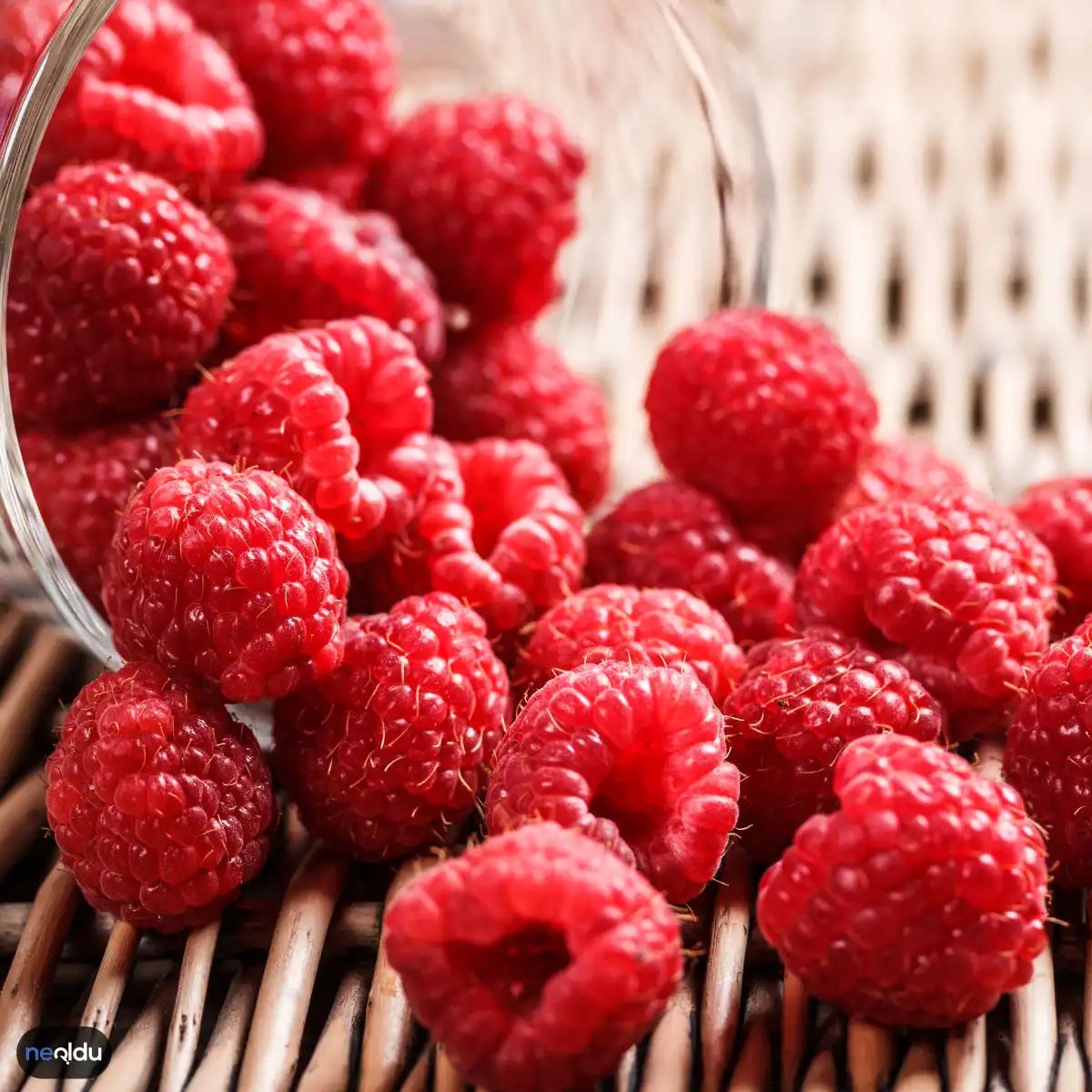
1. Fresh raspberries (about 10-15)
2. One teaspoon of honey (optional, for extra moisture)
How to make it:
1. Mash the raspberries until they are a smooth pulp.
2. If you are using honey, mix it in until the consistency is spreadable.
3. Apply the mixture to your clean face.
4. Leave it on for 15 to 20 minutes.
5. Rinse with lukewarm water.
The texture is soft. It feels like a cold yogurt. Most people find the sensation calming. The red color might stain your towel, so use an old one. This is a minor inconvenience for a major result.
When to use this mask
You can use this mask once or twice a week. Do not overdo it. Your skin needs time to recover and absorb the benefits. If you have very sensitive skin, do a patch test first. Apply a small amount behind your ear. Wait 24 hours. If there is no reaction, proceed with the full treatment.
This approach is practical. It saves money. It supports a healthier lifestyle. Your skin is part of your body. Treat it with care. Sometimes the oldest remedies are the best ones. Have you tried fruit masks before?
Vitaminlerin cildiniz için ne işe yaradığı
C vitamini burada başrolde. Kollajen üretimini tetikleyerek cildin sıkılaşmasına yardımcı oluyor. Bir yandan serbest radikallere karşı kalkan görevi görüyor, diğer yandan da cilt tonunu eşitleyerek o eşit olmayan görünümü gideriyor.
K vitamini ise göz ardı edilen bir detay. Ciltteki koyu halkaları ve lekeleri hafifletiyor, daha aydınlık bir görünüm sağlıyor. Altını çizmek gerek; kan damarlarını güçlendiriyor. Bu da morlukların daha çabuk geçmesi demek.
Folat, yenilenme sürecinin sessiz kahramanı. Hücrelerin sağlıklı şekilde yenilenmesiyle cilt daha canlı, daha genç görünüyor. Sadece bir vitamin değil, cildin ritmini düzenleyen bir mekanizma.
Minerallerin nem ve parlaklık katkısı
Potasyum nem dengesini sağlıyor. Cilt daha yumuşak, daha pürüzsüz oluyor. Kuruluk hissi azalıyor, dokusallık toparlanıyor.
Magnezyum ise nem tutma kapasitesini artırıyor. Cilt daha nemli, daha parlak. O mat, soluk görünüm yerini sağlıklı bir ışıltıya bırakıyor.
Kalsiyum burada da çift iş görüyor. Hem yenilenmeyi destekliyor hem de nem tutmayı artırıyor. Sonuç: daha yumuşak, daha nemli bir cilt.
Demir, oksijen alımını artırarak cilde canlılık katıyor. Yorgun, soluk görünüm yerine daha canlı, daha uyanık bir etki.
Fosfor da aynı yolda gidiyor. Nem tutma kapasitesini artırarak pürüzsüzlüğü destekliyor. Cildin yüzeyi daha homojen, daha ipeksi.
Lif, genellikle bağırsaklar için konuşulur ama cilt için de önemli. Yenilenmeyi destekliyor, nem dengesini koruyor. Cilt daha sağlıklı, daha nemli görünüyor.
Ahududu Maskesi Tarifi
“Doğal içerikler, düzenli kullanımda cildin genel sağlığını destekleyebilir.”
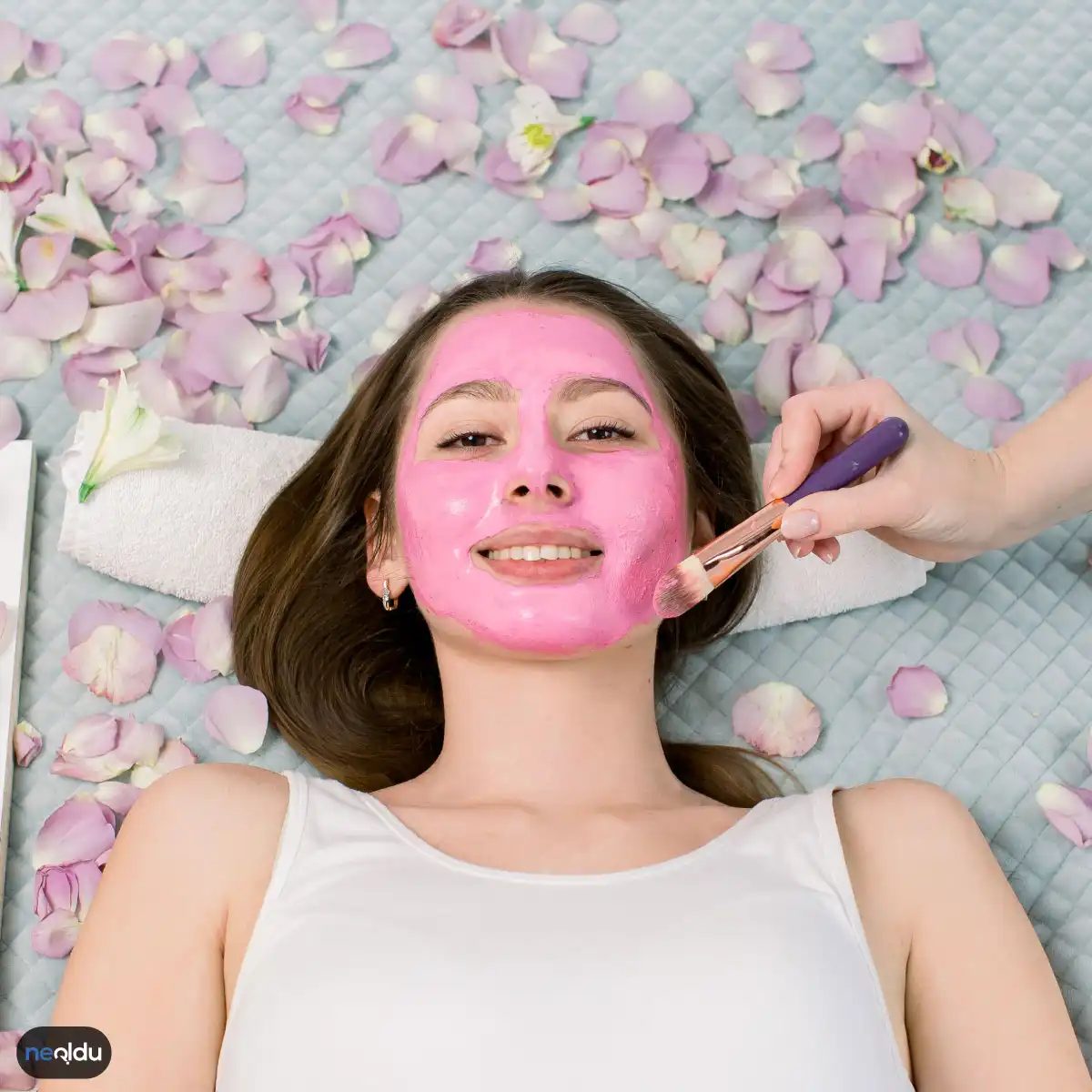
Why raspberry and pine tar? The science behind the glow
You just blended that batch. The smell is going to be intense. Pine tar oil isn’t for the faint of heart, but for your skin, it acts like a silent guardian. It’s anti-inflammatory. That means if you have that stubborn redness on your cheeks or a breakout that refuses to leave, this mask isn’t going to fight it. It’s going to calm it down.
Raspberries bring the vitamins. C and A are packed in there. You aren’t just washing your face; you’re feeding it antioxidants. The yogurt adds a gentle lactic acid kick, which helps slough off that dull, gray layer of dead skin without stripping your moisture barrier. Honey keeps the whole thing sticky and hydrating. It’s a simple formula, but it hits three different notes: exfoliation, hydration, and inflammation control.
How to apply the raspberry mask for real results
Timing matters. You waited 15 to 20 minutes, right? Don’t skip that part. Let the pine tar oil settle into the skin. If you rinse it off after five minutes, you’re basically just rinsing off jam.
Here is where people mess up. The instructions said to rinse with warm water. Not hot. Hot water strips oils. Warm water opens pores just enough to let the residue go, but keeps your skin soft. Pat dry. Don’t rub. Your skin is sensitive after that mask.
Which skin types actually benefit from this routine?
This isn’t a one-size-fits-all solution, though it’s close. If you have sensitive skin, that pine tar oil might sting. Do a patch test on your inner arm first. If it burns, skip the oil. You can still use the raspberry, honey, and yogurt mix. It’s still effective.
For oily skin? The yogurt is your friend. It cuts the grease without clogging pores. Dry skin? The honey and yogurt keep you from feeling tight. Normal skin? You’ll just feel that fresh, awake sensation.
Can you use this mask every day?
No. That pine tar oil is potent. Once or twice a week is the sweet spot. Overdoing it can break down your skin barrier. Your skin needs time to breathe between applications. Think of it like a treatment, not a daily staple. Your regular moisturizer still does the heavy lifting. This mask is the extra step that makes the difference.
What if you don’t have pine tar oil?
You can swap it. Tea tree oil works similarly for acne-prone skin. Lavender oil is gentler for sensitive types. But don’t just grab any essential oil. Check what your skin tolerates. The raspberry base is safe for almost everyone. The oil is the variable.
The real benefit isn’t instant. It’s the cumulative effect. Your skin gets calmer, brighter, and more resilient over time.

How raspberry masks tighten skin and reduce redness
You need the C vitamin hit for that firming effect. It fights the free radicals trying to wreck your collagen. The tone evens out. Less stress on the epidermis means less dullness.
But that is just one ingredient. The yogurt does the scrubbing work. It lifts off dead cells without harsh acids. The lactic acid naturally brightens. Texture smooths out. You stop looking like you slept in your makeup.
Then there is the honey. It is sticky, yes. It traps moisture. But it also calms the angry redness. If you get breakouts, this helps. It lowers inflammation so new pimples have a harder time forming.
And the pine turpentine oil. It sounds intense, but it works. It soaks up excess oil. Your face stops looking shiny by noon. It also acts as a preventative against those stubborn spots.
Which ingredients actually matter in a natural face mask
Most people think “natural” just means safe. It is not always. But in this mix, the synergy is real.
- Raspberry : Antioxidant defense.
- Yogurt : Exfoliation and hydration.
- Honey : Moisture barrier and anti-inflammatory action.
- Pine oil : Sebum control.
You are not just slapping fruit on your face. You are layering functions. Each item solves a different problem.
Why this routine works for sensitive and oily skin types
It is gentle. Chemical peels can burn. This does not. The ingredients are food-grade. That reduces the risk of reaction.
Use it once or twice a week. Do not overdo it. Your skin needs time to absorb. If you are dry, it helps. If you are oily, the pine oil helps. It is one of the few masks that works for both.
The result is not instant. It is cumulative. Skin looks more alive. Less tight. More breathable.
Does it replace your serum? No. But it supports it. It clears the path.
Try it. See if your skin feels different after a week. You might be surprised by how simple it is to get that glow back without the lab-coated bottles.