
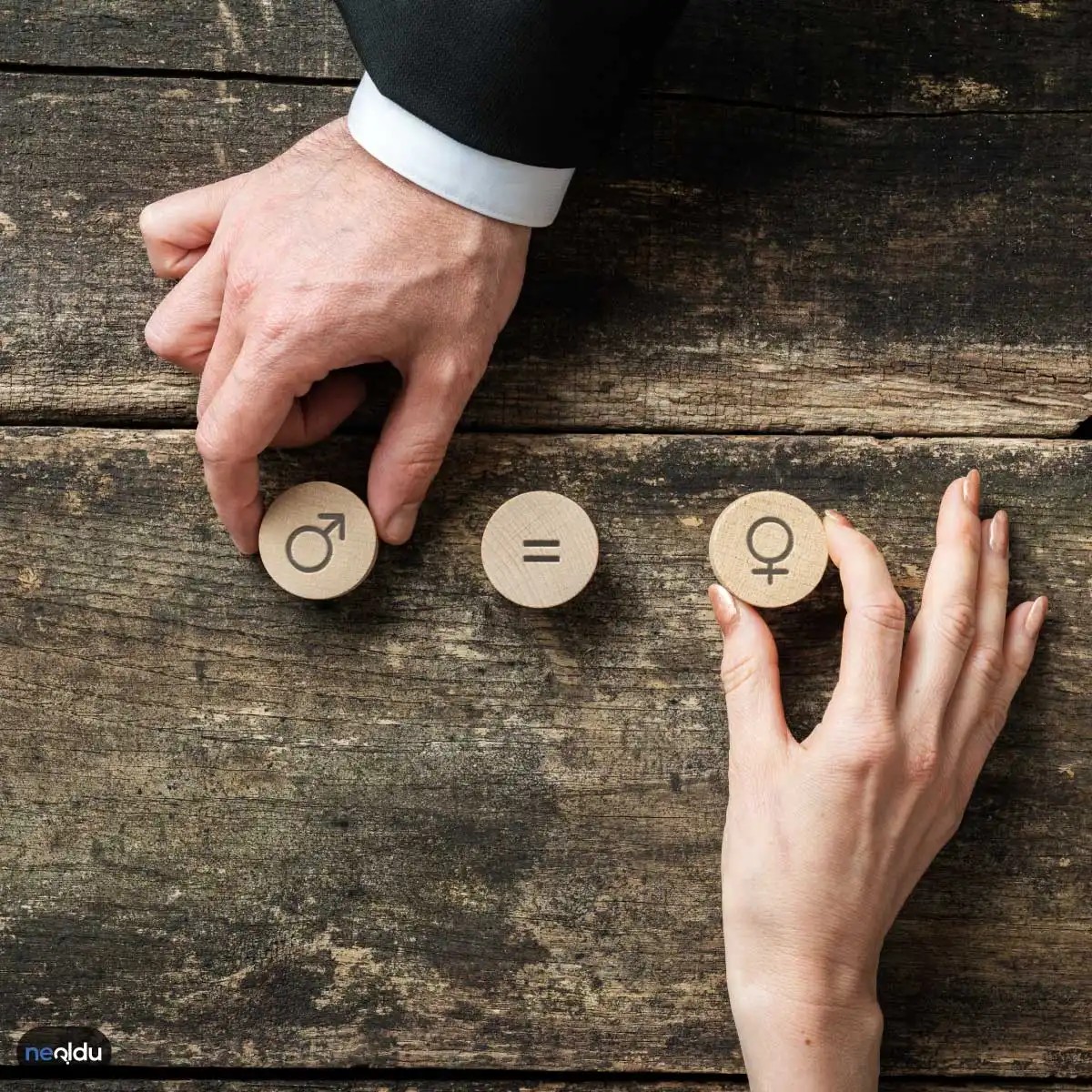
Societal gender differences are the invisible architecture of our daily lives. They dictate how men and women position themselves in the world. They define the roles we are expected to play. They even shape how we behave when no one is watching. These aren’t just biological facts. They are social contracts.
Removing these disparities isn’t a simple act of flipping a switch. It requires a sustained effort across every layer of society. We need equality. We need fair treatment. We need a direct confrontation with gender discrimination wherever it hides.
The Reality of Gender Roles
Gender differences function as a filter. Through this lens, society decides what is “acceptable” for a woman versus a man. This filtering process determines our career paths. It influences our family dynamics. It shapes our emotional expression.
The goal is clear. We must dismantle the structures that reinforce these rigid roles. This means challenging the bias that limits potential based on gender. It means creating spaces where fairness is the default, not the exception.
Why Equality Matters Now
Why do we still talk about this? Because the differences persist. They affect everything from paychecks to parenting duties. Ignoring them doesn’t make them go away. It only deepens the divide.
True change requires action. It demands that we actively fight against discrimination. It requires us to look at our own behaviors and question our assumptions. Only then can we build a society where everyone has an equal chance to thrive.
Toplumsal cinsiyet, biyolojik bir gerçeğin ötesinde, toplumun dikte ettiği bir sahne talimatıdır. Kadınların ve erkeklerin nasıl davranması gerektiği, hangi alanlara “uygun” görüldüğü kültürler tarafından şekillendirilir. Bu roller sadece kişisel tercih meselesi değil, derin köklü sosyolojik ve psikolojik yapıların bir yansımasıdır.
Eşitsizliğin somut bedeli
Bu rollerin yarattığı kopukluklar, hayatın her katmanında hissedilir. Kadınlar genellikle daha düşük maaşlar alır. İş yerinde terfi fırsatları daha azdır. Siyasi temsilde sesleri daha az duyulur. En travmatik hali ise cinsiyet temelli şiddetle karşılaşmalarıdır. Erkekler ise “kaygısız sağlayıcı” rolüne sıkışarak duygusal dışlanma yaşayabilir.
Bu farklılıklar, her bireyin toplumda hangi rolü oynadığına dair belirleyici bir faktördür. Evde çocuk bakımı ve aile içi işler neredeyse doğal olarak kadınlara atanırken, erkeklerin dışarıda çalışıp geçimi sağlama beklentisi hâlâ güçleniyor. Bu da kadınların iş hayatında ve sosyal çevrede erkeklerden daha az kabul görmesine, saygınlık kazanmanın daha zor olmasına yol açıyor.
Neden böyle bir düzende duruyoruz?
Toplumsal cinsiyet ve buna bağlı farklılıklar, sadece kadınları veya sadece erkekleri etkilemez. İkisini de kuşatır. Kadın ve erkek arasındaki bu uçurumu yaratan faktörler tek bir nedene indirgenemez.
Kültür, din, sosyal sınıf, yaş grubu, etnik köken ve bireysel cinsiyet algısı gibi birçok unsur bu tabloyu şekillendirir. Hangi toplumsal cinsiyet rollerinin geçerli olduğu, yaşadığınız coğrafyaya, inancınıza ve sınıfsal konumunuza göre büyük farklılıklar gösterir. Bir kültürde “yumuşak” olarak kabul edilen bir davranış, başka bir kültürde “zayıf” veya “kararsız” olarak değerlendirilebilir.
Geleneksel rol algısının kalıcılığı
Neden bu kadar dirençli? Çünkü toplumsal cinsiyet, bireyin doğduğundan önce halletmiş olduğu bir kimlik işareti gibidir. Çocuklukta verilen mesajlar (“kızlar böyle oynamaz”, “erkekler ağlamaz”) yetişkinlikteki kariyer tercihlerinden ilişki dinamiklerine kadar her şeyi etkiler.
Bu yapı, kadınların evde kalma ve erkeklerin çalışmaya mecbur hissetme beklentisini doğallaştırır. Oysa bu bir kader değil, inşa edilmiş bir gerçeklik. Değişim, bu inşa edilmiş duvarları tanımlayarak başlar. Hangi faktörün sizin hayatınızda daha baskın olduğunu fark etmek, ilk adım
It starts with a whisper, then a shout. We see it in boardrooms. We see it in living rooms. The divide between men and women isn’t natural. It is manufactured. It is the result of deep-rooted inequalities across economic, social, cultural, and political lines.
If you look closely, the causes are glaring. They aren’t accidents. They are systems.
How Culture Shapes Expectations
Culture is the invisible hand guiding behavior. It tells us who holds power and who serves it. In many societies, men are expected to lead, to control, to dominate. Women? They are nudged toward domesticity. Childcare. Housework.
This isn’t just about chores. It is about opportunity. When a culture dictates that a woman’s place is at home, it actively blocks her from equal footing in education and the workforce. You cannot compete if the starting line is moved.
Education: The Great Equalizer (That Isn’t Equal)
Education is supposed to be the great equalizer. But for women, the path is often blocked. Where educational access is limited, economic mobility vanishes. Even where access exists, the finish line is further away.
Women often have to fight twice as hard to reach the same professional heights as men. It is not a lack of capability. It is a lack of access.
The Reality of Workplace Discrimination
Discrimination is not a myth. It is a daily reality. It shows up in the paycheck gap. It shows up in the lack of promotions. It shows up in political representation, where men still hold the majority of seats at the table.
And it is not just professional. Gender-based violence remains a terrifying shadow over women’s lives. This discrimination is the bedrock of gender disparity. Without addressing it, nothing else changes.
The Media’s Role in Reinforcing Stereotypes
We watch. We consume. We internalize. Media plays a massive role in defining how men and women are perceived. It reinforces stereotypes that keep the status quo intact.
When women are depicted only in certain roles and men in others, it normalizes inequality. It tells young girls what they can and cannot be. It tells young boys who they are supposed to lead.
Challenging Gender Stereotypes
Stereotypes are hard to unlearn. They are embedded in our language, our jokes, our expectations.
Think about the last time you saw a female CEO. Did you feel surprised? Why?
Think about a male nurse or teacher. Did it seem unusual? Why?
These reactions are not neutral. They are conditioned.
Breaking the cycle requires conscious effort. It means questioning why we assume certain traits are inherently “male” or “female.” It means recognizing that competence, leadership, and caregiving are human traits, not gendered ones.
The fight isn’t just about laws. It is about mindset. It is about refusing to accept the status quo as inevitable. It is about rewriting the script, one interaction at a time.
The gap won’t close itself. It takes work. It takes anger. It takes persistence. And it starts with seeing the problem clearly.
Cevaplara ihtiyacın olan yer burası
Cinsiyet. Kelime duyulduğunda aklınıza gelen ilk şey ne? Genellikle biyoloji. Ama toplumun en derinlerde kök salmış inançları, biyolojiden çok daha karmaşık. Erkeklerin atılgan, kadınların nazik olduğu yönündeki kalıp yargılar, aslında büyük bir yanılsama olabilir.
Toplumsal cinsiyet rolleri, hayatın her alanında beklenen davranış kalıplarıdır. Erkek para getirecek, kadın bakacak. Bu eski şablonlar, çoğu zaman gerçeklere dayanmayan aşırı genellemelerdir. Peki, bilim ne diyor? Araştırmalar, erkek ve kadın arasındaki farkların ne kadar büyük olduğunu merak edenler için net bir yol haritası sunuyor.
Meta analiz. İsmi soğuk ve teknik geliyor ama işlevi basit. Farklı araştırmaların bulgularını tek bir potada eriterek daha sağlam bir sonuca varmak. Bilişsel yeteneklerden duygusal iletişime, sosyal davranışlardan cinsiyet dinamiklerine kadar her alanda bu teknik kullanılıyor. Sonuçlar her zaman beklentilerimizin dışına çıkıyor.
Zihinsel Farklılıklar Üzerine
Bilişsel beceriler, cinsiyetle doğrudan ilgili mi? Eskiden erkeklerin uzamsal zekası, kadınların ise dil becerisinin daha geliştiği düşünülürdü. Meta analizler bu görüşün ne kadar zayıf bir temele dayandığını gösteriyor.
Küçük farklar var. Evet. Ama bunlar, bir kadının matematikten, bir erkeğin ise duygulardan anılmadığı anlamına gelmiyor. Araştırmalar, bu alanlardaki performans farklılıklarının son yıllarda büyük ölçüde daraldığını ortaya koyuyor.
Neden? Toplumsal cinsiyet rolleri, çocuklukтан itibaren yön veriyor. Kızlar oyun odalarında oyuncak bebeklerle oynarken, oğlanlar bloklarla yapılar kuruyorsa, bu erken deneyimler beyin gelişimini şekillendiriyor. Farklılık doğuştan gelmiyor. Öğreniliyor.
“Cinsiyet farkı denildiğinde akla gelen büyük boşluklar, aslında küçük ayrıntıların bir toplamıdır.”
Duygular ve İletişim
Duygusal zeka konusundaki efsane de benzer bir kaderi paylaşıyor. Kadınların empati kurma konusunda daha yetenekli olduğu genel bir kanı. Gerçeklik ise daha grileşmiş.
Meta analizler, kadınların duygusal okuryazarlık ve empati testlerinde hafif bir üstünlük gösterdiğini doğruluyor. Ama bu fark, beklediğimiz kadar büyük değil. Ayrıca, erkeklerin de duygusal ifade biçimleri farklı. Baskı göstermek yerine içine kapanmak gibi. Bu da bir tür duygusal yönetim stratejisi.
İletişim stillerinde ise daha belirgin ayrışmalar görülüyor. Kadınlar genellikle ilişki odaklı
Sözel ve Mantıksal Becerilerde Eşitlik
Konuşma konusunda cinsiyetler arasında büyük bir ayrım yok. Kadınların matematikte, erkeklerin ise mekânsal kavrayışta çok hafif bir avantajı olsa da, bu fark ihmal edilebilir düzeyde. Standart zeka testleri genel olarak cinsiyet farkı göstermiyor.
Sosyal Normlar ve Davranış Kalıpları
Cinsiyet rolleri toplumsal olarak öğrenilir. Küçük yaşlardan itibaren kızlar ve erkekler farklı davranışlar ödüllendirilir. Bu durum, bireysel tercihlerden çok çevresel faktörlerle şekillenir.
Ebeveynler ve Çocuk Yetiştirme
Aileler, çocuklarına karşı bilinçaltı olarak farklı yaklaşabilir. Oyuncak seçimi, oyun tarzı ve disiplin yöntemleri cinsiyetçi beklentilerden nasibini alır. Bu durum, çocuğun özgün potansiyelini kısıtlayabilir.
Eğitim ve İş Dünyası Etkileri
Okul ortamında öğretmenler, öğrencilere cinsiyetlerine göre farklı tepkiler verebilir. Bu durum, akademik başarıyı ve kariyer seçimlerini etkileyebilir. İş dünyasında ise benzer dinamikler devam eder.
İlişkiler ve İletişim Dinamikleri
İlişkilerde iletişim tarzları önemli rol oynar. Kadınlar genellikle duygusal bağ kurma konusunda daha yetkin olarak görülür. Ancak bu bir kural değil, eğilimdir. Her birey kendine özgü bir iletişim diline sahiptir.
Duygusal Zeka ve Empati
Empati yeteneği cinsiyetten bağımsızdır. Bazı erkekler yüksek empati gösterebilirken, bazı kadınlar daha analitik olabilir. Bu özellikler doğuştan gelmez, yetiştirilme tarzına bağlıdır.
Çatışma Çözüm Yolları
Çatışmalarda kadınlar genellikle diyalog kurmayı tercih eder. Erkekler ise daha çok doğrudan müdahale veya çözüm odaklı yaklaşımlara yönelir. Bu farklılıklar, ilişkilerde yanlış anlaşılmalara yol açabilir.
Aile İçindeki Dinamikler
Aile içi rol dağılımları geleneksel olarak cinsiyetlere göre şekillenmiştir. Ancak modern yaşam bu kalıpları yıkmaktadır. Erkekler de ev içi sorumlulukları paylaşmaya daha açık hale gelmektedir.
Çiftler Arası İş Bölümü
İş bölümü her çiftin kendi dinamiklerine göre şekillenmelidir. Geleneksel roller, günümüzde daha esnek hale gelmiştir. Önemli olan, her iki tarafın da kendini güvende hissettiği bir denge kurmaktır.
Çocukların Geleceği
Çocuklara verilen mesajlar, onların gelecekteki beklentilerini şekillendirir. Cinsiyetçi kalıpları aşmak, daha eşit bir toplum için önemlidir. Her çocuğun kendi potansiyelini keşfedebilmesi sağlanmalıdır.
Sonuç Yerine Düşünce
Cinsiy
Navigating social scripts: aggression, care, and compliance
Social interactions between men and women are rarely identical. They diverge in specific, measurable ways. Men tend to display higher levels of aggression. Women, however, often lead in providing social support and care. Men might offer help more frequently, but the context and nature of that help differ.
Research results vary wildly. Some studies show women displaying more compliance behavior than men. Others find no significant difference. Leadership styles also shift between genders. Yet, when you strip away the style and look at the core competencies required for effective leadership, both genders are equally capable. The ability to lead well is not gendered. It’s human.
The blurred line: biology vs. expectation
Here is the tricky part. We still do not fully understand the extent to which gender stereotypes and societal expectations drive these behaviors. Are men naturally more aggressive? Or are they simply fulfilling a script?
Consider the expectation of male heroism. Society often positions men as protectors. This can make men appear more helpful or aggressive in service of that role. Women, on the other hand, may appear more compliant depending on how a research question is framed. The wording of a question can trigger different behavioral responses. It’s not always innate. It’s often performative.
Defining the gap: what is social gender?
Social gender, or gender roles, is the collection of roles, expectations, values, and behaviors a society assigns to men and women. It is not the same as biological sex. Biology is binary in terms of reproductive anatomy. Social gender is a spectrum of behavior and expectation that changes across cultures and time periods.
Where do these differences show up?
The differences between social genders manifest in economic, social, cultural, and political spheres. They are not just personal choices. They are structural.
- Economic disparity : Women often lack equal opportunities in education and the workforce. This leads to lower wages and fewer promotions.
- Political representation : Men continue to dominate political spaces, leaving women underrepresented in decision-making roles.
- Cultural valuation : Caregiving and supportive roles are often undervalued compared to assertive or aggressive roles, which are traditionally coded as male.
These are not minor inconveniences. They are systemic outcomes of unequal opportunities. When women cannot access the same education or job markets as men, the wage gap isn’t a mystery. It’s a mathematical result of restricted access.
Why do these gaps persist?
The causes are complex. They are not isolated incidents. They are woven into the fabric of daily life.
- Cultural beliefs : Deep-seated traditions and religious interpretations often dictate specific roles for each gender.
- Education and employment : Unequal access to resources creates a cycle of dependency and limited opportunity.
- Media influence : What we see on screens reinforces what we believe is “normal” behavior for men and women.
- Discrimination : Explicit and implicit bias in hiring, promotion, and daily interactions.
- Biological factors : While biology plays a role in physical differences, it is rarely the sole driver of social behavior.
The cost of inequality
The results of these gender differences are tangible. They affect real lives. When women and men do not have equal opportunities, everyone loses.
The consequences are negative across the board. Lower wages for women impact not just individual financial security but also broader economic stability. Less political representation means policies may ignore half the population. Culturally, it stifles innovation and understanding.
We are moving toward a more nuanced understanding. We are learning that behavior is less about who we are born as and more about what we are taught to do. The lines are blurring. The scripts are being rewritten. But the work is far from finished.