For many home cooks, sautéing mushrooms is a frustrating ordeal. They seem to drink oil like a sponge, then suddenly release a flood of water, leaving you with soggy, gray fungi rather than golden, umami-rich bites. But a technique championed by America’s Test Kitchen offers a solution that is not only easier but also significantly healthier.
The secret? Start with water, not oil.
Why Traditional Methods Fail
The conventional approach involves tossing mushrooms into a hot pan with butter or oil. While this sounds intuitive, it often leads to two common problems:
- Excessive Oil Absorption: Dry mushrooms act like sponges, soaking up fat before they can brown.
- The “Steam Trap”: As mushrooms heat up, their cellular structure breaks down, releasing internal moisture. In an oil-only pan, this water creates steam that prevents browning (the Maillard reaction) until it fully evaporates. This extends cooking time and can leave mushrooms boiled rather than roasted.
The Science Behind the Water Method
The water-based technique flips this process on its head. By adding water at the start, you leverage steam to accelerate the cooking process while minimizing fat usage.
Here is why it works:
* Rapid Moisture Release: The steam generated by the added water helps collapse air pockets and rupture cell walls faster than dry heat alone. This encourages the mushrooms to release their internal water quickly and efficiently.
* Efficient Browning: Once the added water and the mushrooms’ internal moisture have evaporated, the pan is ready for a minimal amount of oil. Because the mushrooms are already tender and dry, they brown rapidly with far less fat than the traditional method requires.
“Figuring out how to get mushrooms to release their moisture is at the crux of cooking them well,” explains Food Editor Patty Catalano.
Salt: Friend or Foe?
A common debate in mushroom cooking is when to add salt. Many chefs argue against salting early, fearing it will draw out too much moisture. However, Catalano notes that salt and water achieve the same goal : pulling moisture out of the cells.
If you use the water method, salting at the beginning can actually be beneficial. The salt works in tandem with the steam to expedite moisture release. Just remember to taste and adjust seasoning at the end, as the reduction process can concentrate flavors.
How to Execute the Technique
Follow these steps for perfectly browned, tender mushrooms:
- Combine Mushrooms and Water: Place your mushrooms in a pan. For every 1 ¼ pounds of mushrooms, add ¼ cup of water.
- Steam and Reduce: Stir occasionally. You will notice the water turning gray—a sign that the mushrooms are releasing their internal juices. Continue cooking until all liquid has evaporated.
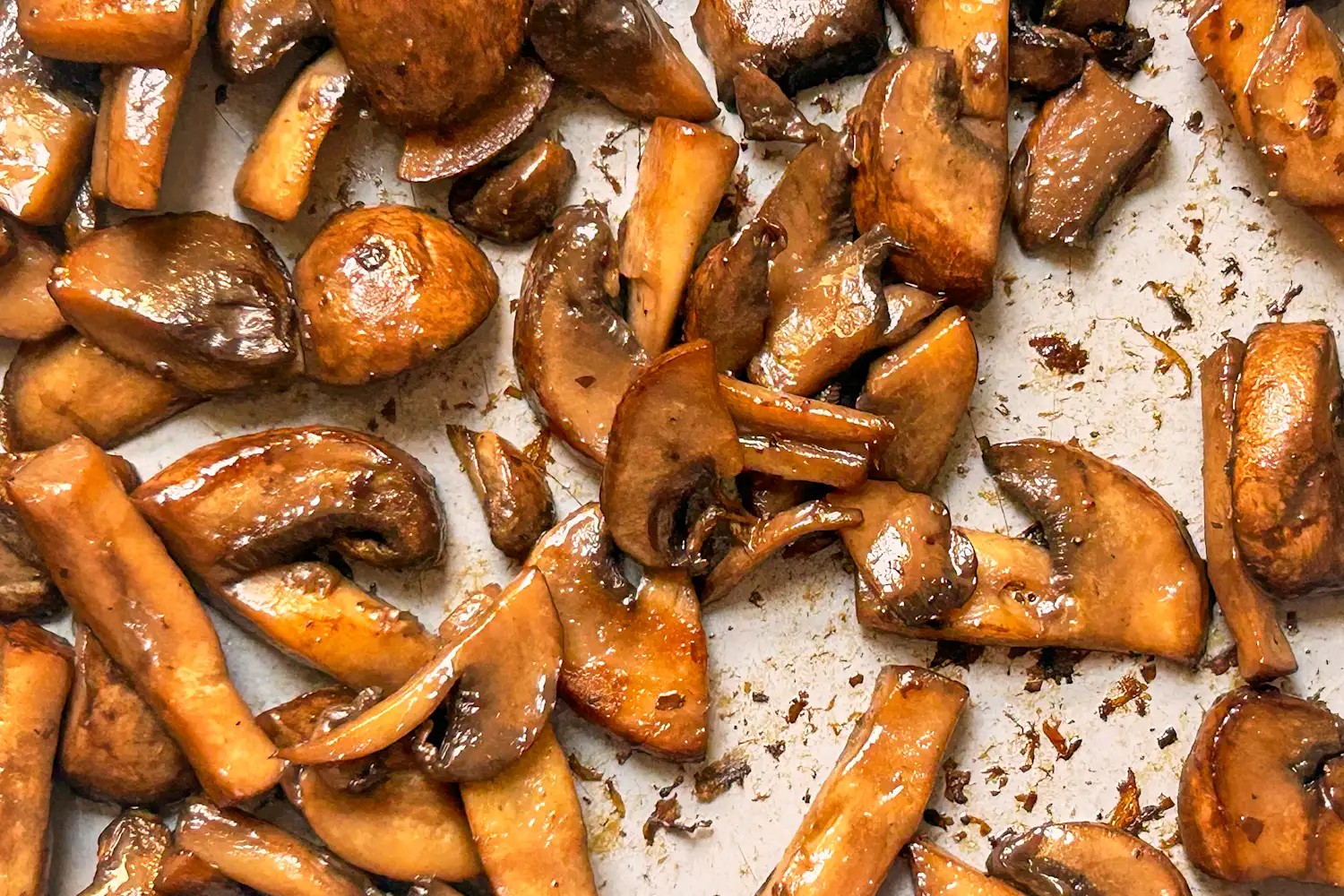
- Brown with Minimal Fat: Once the pan is dry, add a small amount of oil (or butter). Sauté briefly until the mushrooms are golden brown and glossy.
This method yields mushrooms that are rich in flavor, tender in texture, and significantly lower in fat than their traditionally sautéed counterparts. Whether served as a side dish or incorporated into sauces, this technique transforms a tedious chore into a quick, reliable kitchen win.
In short: By starting with water, you harness steam to release moisture efficiently, allowing mushrooms to brown faster with less oil. It’s a simple shift in technique that delivers superior texture and flavor with minimal effort.