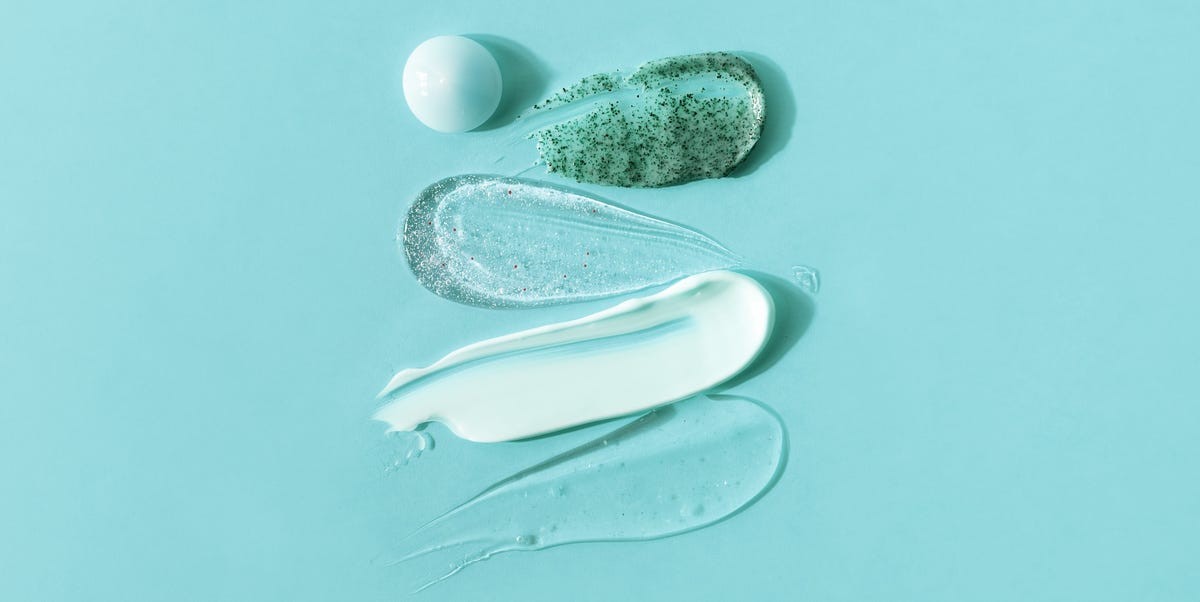
Night was once something to fear. Now? It is the prime time for anti-aging.
Why. Your internal clock changes everything. According to a 2019 review, skin gets more permeable after sunset. “Moisturizers and topical might offer increased benefits in the evening,” the authors say. Also. You lose moisture faster at night. They call it TEWL transepidermal water loss. Mona Foad, a board-certified derm, says night skincare is like a “personal care package.” Your skin is busiest while you snooze.
So what do you actually do? Three doctors weigh in on building a routine that sticks.
The Night Shift
Your body rests. Your skin does not.
Daytime is for defense against UV rays, pollution, stress. That damage causes aging. Nighttime switches the gear. Repair mode. Cell renewal. DNA fix. This turnover process makes pores look smaller. Texture gets smoother. Tone evens out, says Foad.
Collagen production spikes. It keeps things bouncy. Blood flow increases. It all repairs the day’s wreckage. Plus that permeability again. Ingredients can actually go deeper. Retinoids, acids, peptides—they work better now.
Sleep is the ideal window for active ingredients to prove they work.
The Routine
Forget ten-step K-beauty routines. Keep it simple. Cleanse. Treat. Hydrate. Wake up with better skin.
Here is how.
1. Get It Off
Morayo Adisa, medical director at Dermatology Physicians Chicago, wants a clean slate. Remove makeup. Use a cleanser meant for your type. Skip the wipes if you can. They miss dirt. They miss the tiny crevices in your face. Residue leads to breakouts.
Foad suggests double cleansing. First an oil-based one. Then a gentle, pH-balanced wash. It washes away pollution. It lets next-step ingredients sink in. If you are oily or acne-prone, a toner helps. It restores pH. It adds soothing stuff like niacinamide or glycerin without the grease.
2. Strip The Dead
Exfoliation speeds up renewal. Chemical acids are key. Glycolic or lactic acid for AHAs. Salicylic for BHAs. They clear dead cells. Foad notes it helps serums absorb deeper. Clearing the way lets moisturizers work harder.
Start small. Five to ten percent glycolic is fine for most. Sensitive skin? Once a week. Maybe more later if it tolerates.
Don’t mix it with retinol on the same night. Why risk the burn?
3. Hit It With Actives
Now for the heavy hitters. Michele Green, a derm in NYC, says your barrier is primed to soak this up.
- Retinol. Vitamin A derivative. Boosts collagen. Fixes fine lines. Regulates sebum. The gold standard.
- Niacinamide. Vitamin B3. Calms redness. Shrinks pore appearance. Gentle. Works for almost anyone.
- Hyaluronic Acid. Pulls in water. One gram holds six liters of water. It plumps dry wrinkles.
- Vitamin C. Top antioxidant. Fights free radicals. Brightens. Good for tone and texture.
Apply eye creams now. After serum, before moisturizer. Look for peptides or caffeine for puffiness. Spot treat breakouts directly. But avoid retinol nights.
4. Lock It In
“Nighttime moisturization aids repair,” says Green. It creates a shield against water loss. Night creams are usually richer. Look for hyaluronic acid. Ceramides. Squalane. They repair the barrier.
Very dry skin? Add face oil. Use a mask once a week for radiance.
Foad says the goal is simple. Cleanse. Treat. Hydrate. Wake up replenished.
It is science. It is self-care. Does it really matter how many products you use. Or just which ones.
Maybe you wake up feeling nothing has changed. Yet the work was done. Deep down. In the dark.