
Protein is often celebrated as the primary building block for muscle growth, but its role in weight management is equally critical, though frequently overlooked. Beyond simply repairing tissue, protein plays a pivotal role in regulating appetite and stabilizing energy levels. For individuals aiming to maintain a healthy weight, protein powder offers a strategic tool—not a magic bullet—to help curb cravings and manage caloric intake more effectively.
However, the supplement market is saturated with options ranging from high-quality whey to plant-based blends, many of which contain added sugars or fillers that undermine health goals. Selecting the right powder requires understanding not just what you are consuming, but how it interacts with your body’s hunger signals.
Why Protein Matters for Weight Control
The connection between protein and weight management is rooted in biology, specifically in how amino acids regulate hunger hormones. According to Laurie Schubert, PhD, RD, a sports dietitian and Chair of the Medical, Health, and Wellness committee for USA Ninja, adequate amino acid intake is essential for regulating hunger signals. While the body can produce some amino acids, others must be obtained through diet. Protein supplements can bridge this gap, ensuring consistent intake without the heavy caloric load of whole foods.
Crystal Zabka-Belsky, MS, RD, resident dietitian at Clean Eatz Kitchen, emphasizes that protein powder helps “curb appetite and promote controlled caloric intake.” By keeping you fuller for longer, it reduces the likelihood of “grazing” or snacking on high-calorie, low-nutrient foods throughout the day.
Key Insight: Protein powder is a supplement, not a replacement. Whole foods provide fiber, vitamins, and minerals that powders lack. Think of it as a convenient tool to hit your daily targets, not a meal substitute.
What to Look for in a Quality Protein Powder
Not all protein powders are created equal. To support weight loss and overall health, focus on these four critical factors:
1. Protein Density and Content
Aim for products that provide 20 to 30 grams of high-quality protein per serving. This range is effective for supporting muscle recovery and satiety. More importantly, look at the protein-to-calorie ratio. For weight loss, you want maximum protein with minimal calories from added fats or carbohydrates. A higher density means you get the fullness benefits without excessive caloric intake.
2. Source and Digestibility
The source of your protein determines how quickly it is absorbed and how long it keeps you full:
* Whey Protein: Derived from milk, whey is a “complete” protein containing all nine essential amino acids. It digests quickly, making it ideal post-workout to jumpstart muscle repair. Studies link whey to improved body composition when combined with resistance training.
* Casein Protein: Also milk-based, casein digests slowly. It forms a gel in the stomach, providing a sustained release of amino acids. This makes it an excellent choice before bed to support overnight recovery and prevent morning hunger.
* Plant-Based Proteins: Options like pea, soy, or rice protein are vital for those with dairy sensitivities or vegan lifestyles. While single plant sources may lack certain amino acids, blended formulas (e.g., pea and rice) can provide a complete amino acid profile comparable to animal proteins.
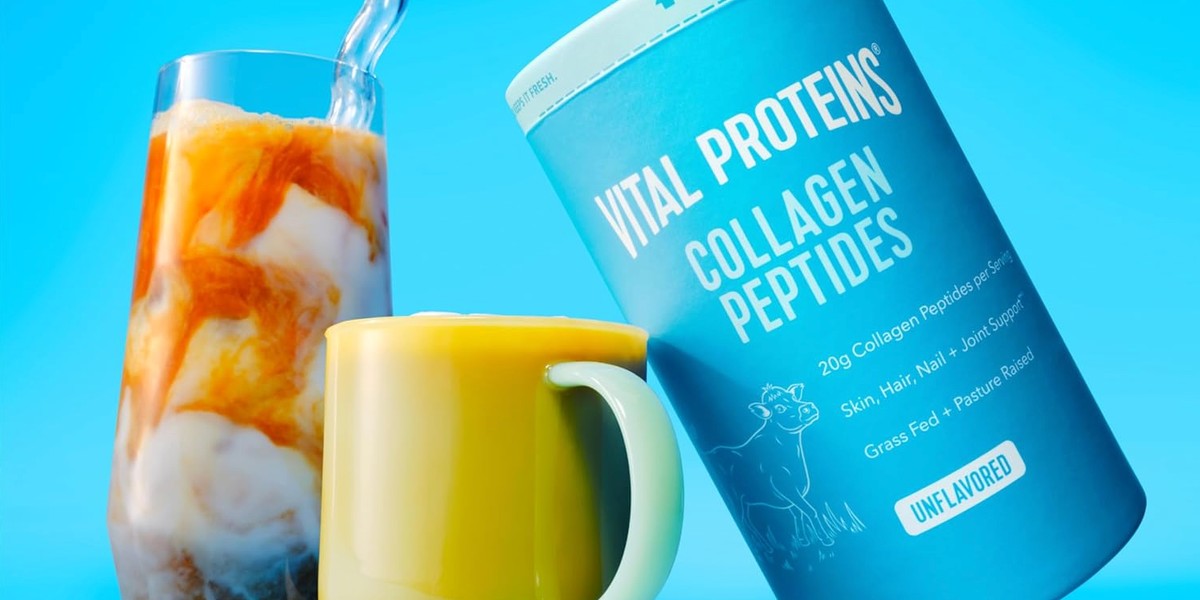
* Collagen: While beneficial for skin and joint health, collagen is not a complete protein. It should not be relied upon as your primary source for muscle maintenance or satiety.
3. Taste and Texture
Adherence is the hardest part of any health routine. If you dislike the taste, the powder will end up in the trash.
* Dairy-based powders tend to be smoother and creamier.
* Plant-based powders can be thicker and have an earthier flavor.
* Versatility matters: Vanilla is the most adaptable for mixing into coffee, oats, or baked goods. Chocolate is a reliable favorite for shakes and dessert-like treats. Choose a flavor you genuinely enjoy to ensure consistency.
4. Third-Party Certifications
The FDA does not strictly regulate dietary supplements, meaning quality varies wildly. Look for seals from independent organizations like NSF, USP, or Informed Choice. These certifications verify that the product is free from banned substances, contains what the label claims, and meets safety standards.
How to Integrate Protein Powder into Your Diet
To maximize benefits for weight management, follow these evidence-based guidelines:
- Hit Your Daily Target: The American Journal of Clinical Nutrition suggests aiming for 1.2 to 1.6 grams of protein per kilogram of body weight per day. For a 200-pound (91 kg) person, this equates to roughly 109–146 grams of protein daily.
- Limit Supplement Use: Stick to 1–2 servings per day. The remainder of your protein should come from whole foods like chicken, fish, Greek yogurt, beans, and lentils, which offer additional nutrients like fiber.
- Don’t Replace Meals: Protein shakes lack the volume and fiber of a balanced meal. Use them as a post-workout recovery drink or mixed into a smoothie with fruits and vegetables to create a more substantial snack.
Frequently Asked Questions
Can protein powder cause weight loss?
Indirectly, yes. By reducing cravings and supporting lean muscle mass, protein powder helps create the calorie deficit and metabolic efficiency necessary for weight loss. However, it must be part of an overall balanced diet and active lifestyle.
Which type is best for weight loss?
There is no single “best” type. Whey is popular for its leanness and fast absorption, while casein offers prolonged fullness. Plant-based blends are equally effective if they provide a complete amino acid profile. The best choice is the one that fits your dietary restrictions and tastes, ensuring you will actually drink it.
How much protein do I really need?
Individual needs vary based on age, activity level, and body composition. As a general rule, calculate your weight in kilograms (pounds ÷ 2.2) and multiply by 1.2 to 1.6. Consulting a registered dietitian can help tailor this number to your specific goals.
Conclusion
Protein powder is a powerful ally in weight management, offering a convenient way to increase satiety, preserve muscle mass, and control appetite. By prioritizing high-protein density, complete amino acid profiles, and third-party verified quality, you can choose a supplement that supports your health goals without compromising on taste or safety. Remember, the powder is a tool—consistent, whole-food-based nutrition remains the foundation of lasting results.