Pilaf is widely recognized as a rice dish, but it is more accurately defined as a cooking technique rather than a specific ingredient. The method involves toasting grains in fat to unlock deep, nutty flavors, followed by simmering them in liquid until they are tender yet distinct. While rice is the traditional vessel, this approach works beautifully with hearty grains like bulgur or freekeh. Barley, with its earthy flavor and satisfying chew, is an excellent candidate for this transformation, offering a robust texture that stands up to bold accompaniments.
The Concept: Jeweled Barley
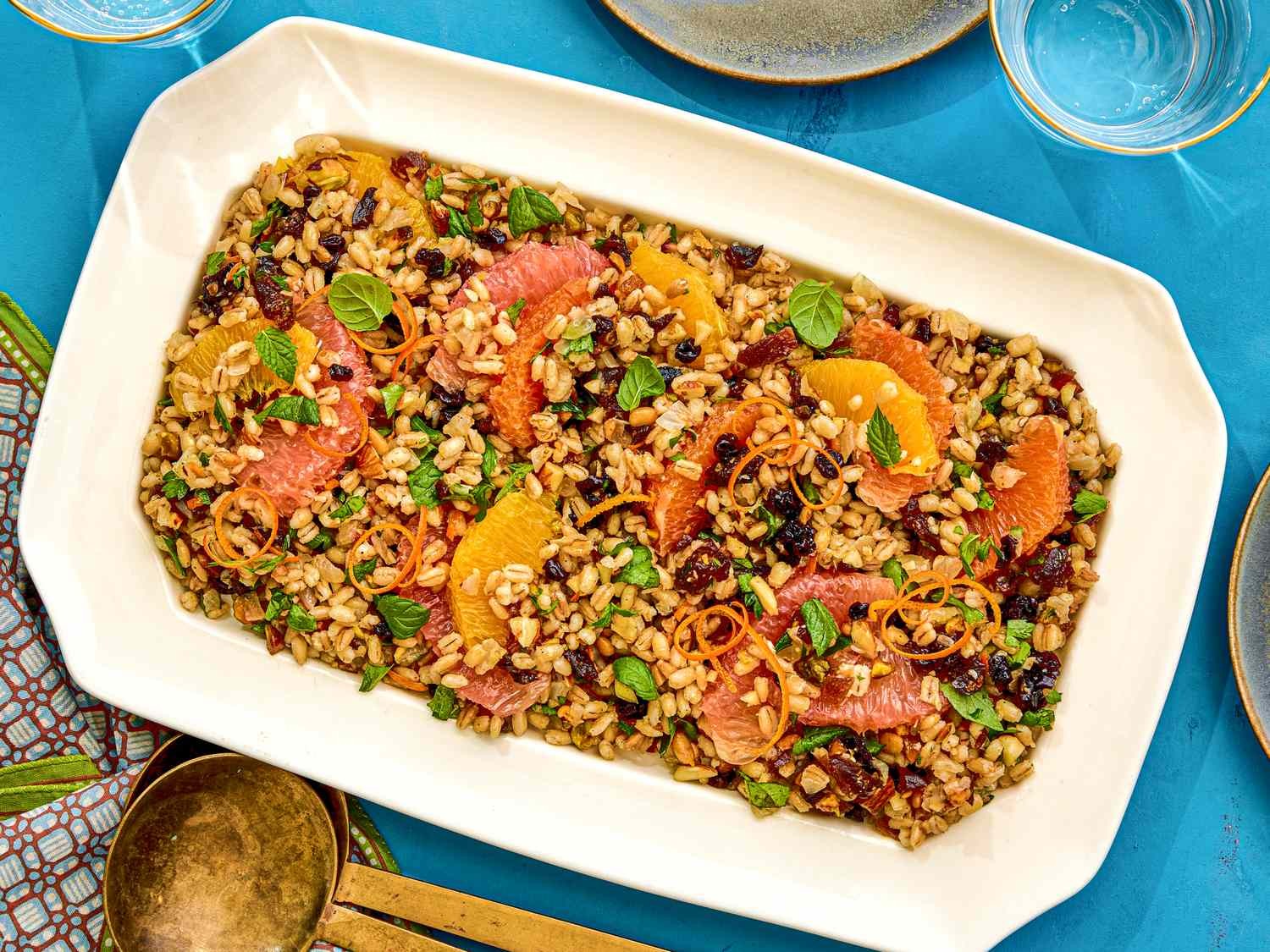
This recipe reimagines the classic Iranian morasa polo (jeweled rice), a festive dish traditionally served at celebrations. In this version, pearled barley replaces rice, serving as a neutral yet flavorful canvas for a vibrant mix of ingredients. The dish balances textures and tastes:
* Juicy citrus segments (such as Cara Cara or blood orange) provide acidity and brightness.
* Chewy dried fruits (apricots and currants) offer natural sweetness.
* Toasted nuts (like pistachios) add essential crunch.
The goal is contrast. The mild, toasty barley carries the sharpness of the fruit and the richness of the nuts without being overwhelmed. A brief rest allows the flavors to meld, while a final garnish of fresh herbs and orange zest lifts the dish with a burst of freshness.
The Technique: Toasting and Simmering
The foundation of a great pilaf lies in the initial preparation. The process begins by softening onions in olive oil, then adding garlic and cardamom to build an aromatic base. The barley is stirred in and toasted until nutty and fragrant —a crucial step that develops complex flavor profiles before any liquid is introduced.
Once toasted, the grain is simmered in a combination of chicken or vegetable stock and apple juice, along with a bay leaf. Cooking the barley in apple juice is a subtle trick inspired by modern grain salads; it infuses the grain with a hint of fruitiness and sweetness that enhances the final dish without making it taste like a dessert.
A Modern Twist: Draining for Clarity
Traditional pilaf recipes typically absorb all the cooking liquid, resulting in a cohesive, slightly sticky dish. However, because this recipe incorporates a medley of wet ingredients like citrus and dried fruit, a slight modification is necessary. Once the barley is tender, any excess liquid is drained.
This step prevents the grains from becoming waterlogged, which would dilute the flavors of the mix-ins. The result is a dish that functions as both a pilaf and a grain salad. A generous drizzle of olive oil is added after draining to keep the grains glossy, light, and separate, ensuring every bite has distinct texture.
Serving Suggestions
The finished dish is a study in balance: chewy grains, juicy citrus, and crunchy nuts. It is versatile enough to serve as a vibrant side dish or a light, satisfying main course. It can be enjoyed warm or cold, making it an ideal option for meal prep or buffet-style gatherings.
Key Insight: By treating barley with the pilaf method and adjusting the liquid absorption, you create a dish that is structurally sound and flavor-forward, proving that pilaf is a technique adaptable to many grains.