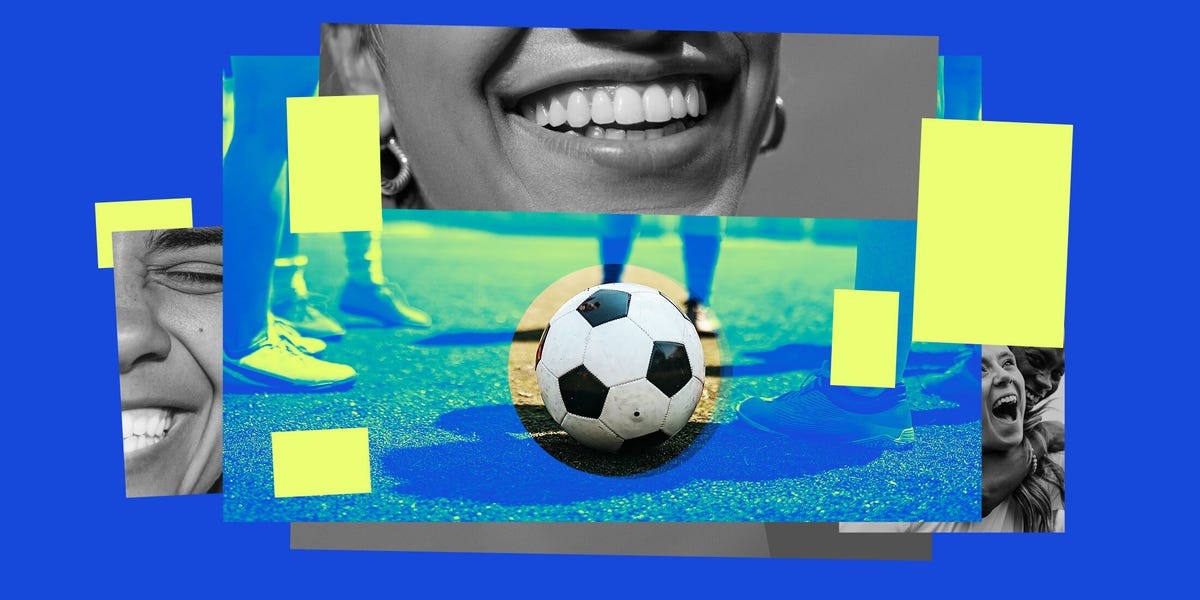
The buzz has been humming for months. Not a quiet hum, a roar. TikTok feeds are choked with it, YouTube shorts drenched in anticipation. The World Cup starts this week. But the emotion isn’t just excitement. It looks like genuine joy. Unfiltered, maybe a bit irrational joy.
FIFA nailed it in their recent promo copy, keeping it simple for TikTok users: “There is no greater feeling. It’s finally here.”
Most sports generate hype. True enough. But soccer operates on a different frequency entirely. Data backs this up. Google trends show soccer is the number one sport Americans associate with the word happiness in the United States. Every year. Since 2004. That is a long streak for a link this strong.
So why does ninety minutes of kicking a ball create such specific brain chemistry?
The Mechanics of a Kick
Colin Armstrong, a health psychologist at Vanderbilt, breaks down the biology. It’s a cocktail of triggers. Movement, social bonding, being outside. These are basic building blocks for a better mood when you are playing. Watching? Different beast entirely.
Suspense. Excitement. Resolution.
Your brain lights up for that arc. Armstrong notes the responsiveness is high. The highs stick with you. Especially when you are screaming them with a stranger at a bar.
Watching a soccer match, we may experience情感 highs that can stick with you
Unpredictability matters too. Marcia Edwards at Ohio State points out the volatility of a single goal. The score changes. The world changes in three seconds. Suspense spikes. Then exhilaration hits. Edwards calls these moments energizing. They become memory anchors because of that sharp emotional spike.
Then there is the ego boost. Kia Afcari at UC Berkeley calls it basking in reflected glory, or BIRGing for short. When your team wins, you win. It’s irrational logic.
- I associate with the winners.
- Therefore, I get some of their glory.
- Therefore, I feel superior or validated.
It sounds shallow. But it works. The psychology of shared identity is potent.
The Contagion of Passion
Passion changes the texture of the experience. It adds weight.
Armstrong describes it as emotional amplification. Anticipation builds. Elation follows. If you are alone, it’s just a feeling. With others? It becomes a shared memory. Stronger. Lasting.
This is emotional contagion in action. The feeling spreads. Stadium or living room, it doesn’t matter. The intensity transfers from person to person. A goal isn’t just a goal; it’s a collective reward. Edwards agrees, noting that emotional investment turns a game into a meaningful event. The stakes feel real because you put your feelings into the pot.
We Are One Giant Team
Soccer is social. Obviously. But scale matters here.
Edwards describes it as “collective effervecence.” A fancy term for the electric energy of a massive group doing the same thing at once. Shared celebrations. Chorus cheers. Post-game arguments over offside calls. All of this strengthens social ties.
And it’s not just your neighbors. The world is watching.
Afcari puts it plainly: it’s not just you and your friends. The global stage creates a unique sense of meaning and identity. National pride swells. Social lines blur under a common passion. The World Cup doesn’t just show soccer; it binds people. Across cultures, across politics, for a few weeks anyway.
It has unique benefits of meaning, and happiness
Why are we so desperate for this? Maybe we need to feel part of something bigger. Or maybe we just love watching strangers run fast for sixty minutes straight.
Or perhaps.