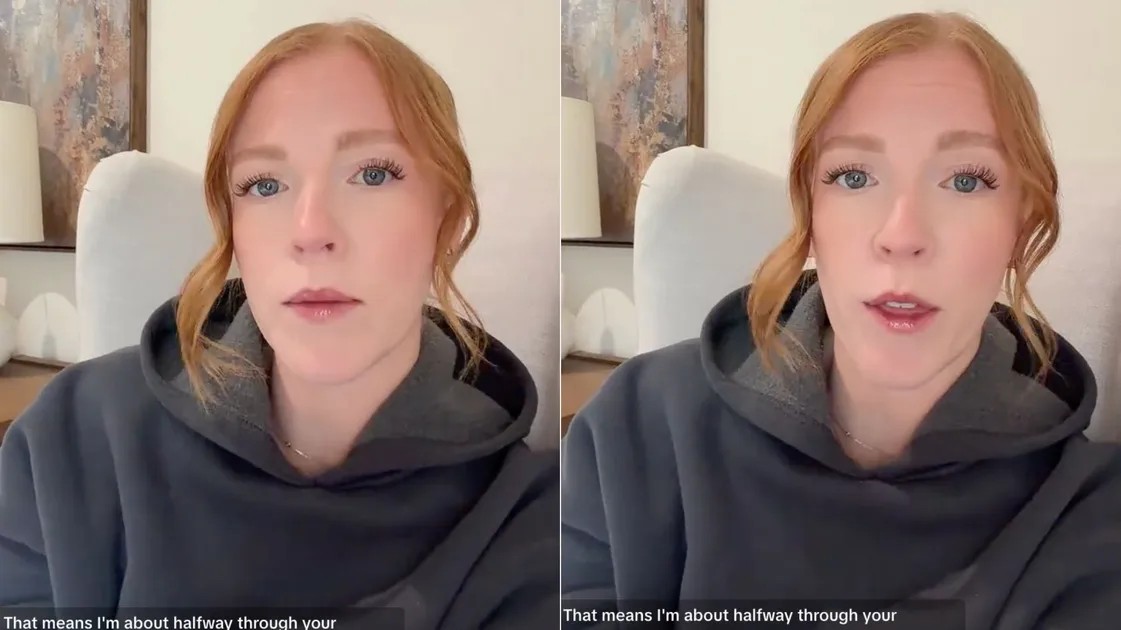
American political discourse is increasingly shaped not by complex debate, but by the limits of human attention. A growing body of research shows that the average attention span has plummeted to roughly 40 seconds, and politicians are exploiting this trend to sway public opinion with short, digestible sound bites rather than detailed policy explanations.
The Attention Span Crisis
The decline in attention span is well-documented. Studies from the University of California, Irvine, reveal that the average screen-based attention span has fallen from 2.5 minutes in 2004 to just 47 seconds today. This means voters are less likely to engage with in-depth analysis or comprehensive policy proposals, making them vulnerable to manipulation through simplified messaging.
Political Exploitation of Short Attention Spans
Politicians across the spectrum capitalize on this by reducing complex issues to easily digestible slogans. For example, Republicans pushing the SAVE Act – a controversial voter ID proposal – may emphasize the seemingly popular notion that “84% of Americans agree with showing ID to vote,” without explaining the bill’s potential to disenfranchise marginalized communities. The speed of consumption means many voters may not fully grasp the implications of such policies.
Why This Matters
This isn’t just about political trickery; it’s a systemic problem. As Associate Professor Dona-Gene Barton explains, voters often prefer “trusted political elites” to condense information for them, even if that condensation distorts reality. Research suggests that information overload can actually push voters to tune out entirely, making them more susceptible to sound bites and shallow messaging.
The Media’s Role in the Decline
The problem is not new. The shift toward profit-driven broadcast news in the 1980s forced networks to cut candidate speaking times from 43 seconds to just 9, favoring short slogans over substantive debate. Social media has only accelerated this trend, with platforms like TikTok prioritizing micro-content that further erodes attention spans.
The Solution: Reclaiming Attention
Experts agree that the only way to combat this manipulation is to actively rebuild our ability to focus. This means reading long-form content, engaging with diverse perspectives, and deliberately seeking out detailed explanations rather than relying on sound bites. As one expert suggests, even tuning into opposing media sources can provide crucial context.
Without learning to digest nuanced concepts, voters will continue to be tricked by actors who prioritize their own interests over the collective good.
The decline of attention spans is not merely a cultural phenomenon; it’s a strategic vulnerability being exploited by those in power. Reclaiming our ability to focus is the first step toward informed participation in a healthy democracy.