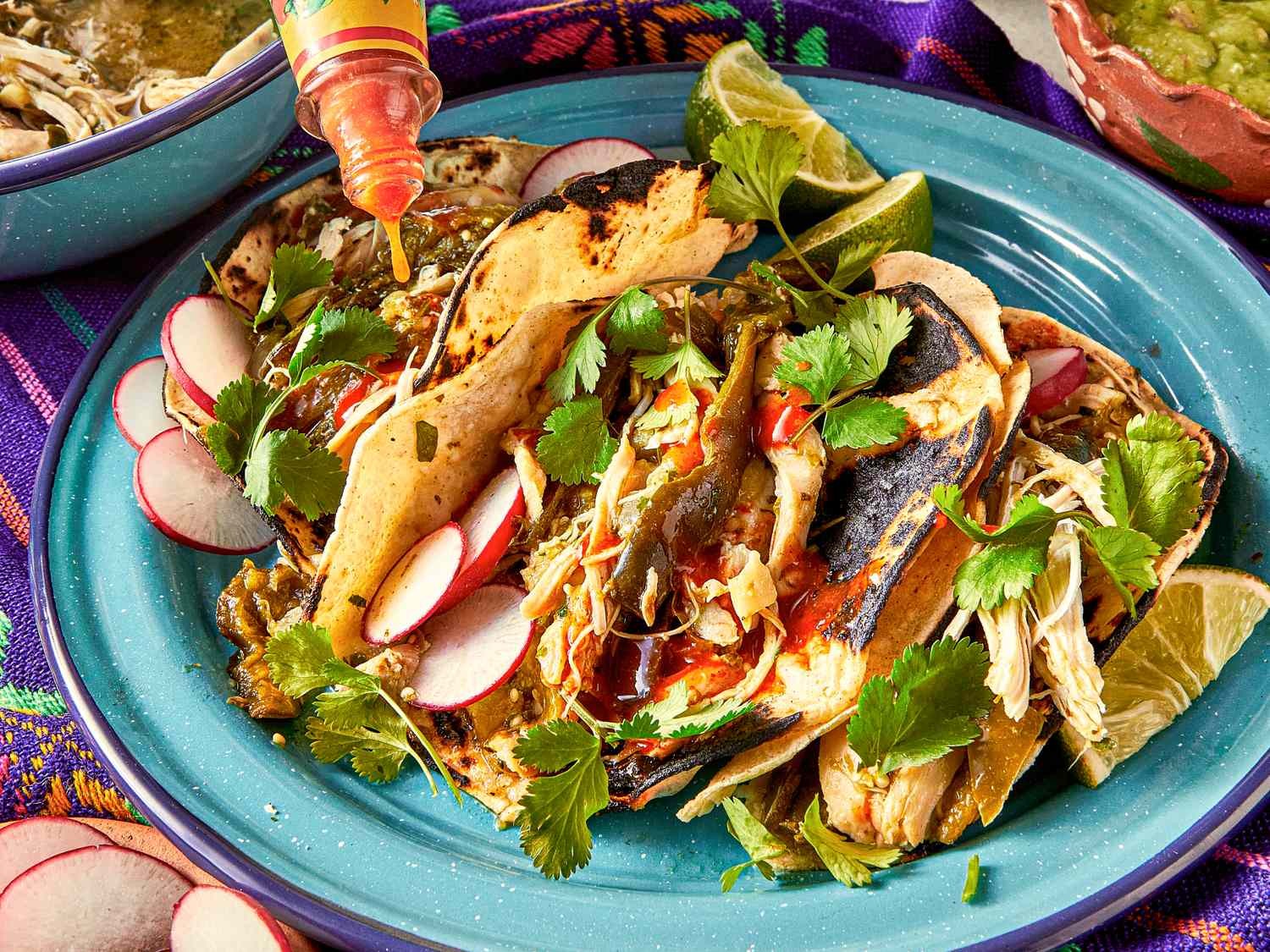
The slow cooker often gets a bad rap—seen as a lazy shortcut for bland, overcooked meals. But this recipe for Salsa Verde Chicken Tacos proves that the appliance, when used correctly, can deliver surprisingly bright, flavorful results. The key is understanding how the slow cooker works, not treating it like a replacement for faster cooking methods.
The Slow Cooker’s Unique Strengths
The slow cooker isn’t just about convenience; it creates a specific cooking environment. Unlike stovetops or ovens, it traps steam, preventing browning while maintaining a steady, low heat. This isn’t a limitation, but a feature. By designing recipes to embrace this condition, you unlock tender, flavorful outcomes that other methods can’t easily achieve.
Confit-Inspired Salsa Verde: A Recipe Revelation
The idea behind these tacos comes from the technique of confit —gently cooking ingredients in oil until softened and jammy. Traditionally done on the stovetop, this process translates perfectly to the slow cooker. Instead of making a separate salsa, this recipe builds the entire meal in the pot. The salsa verde isn’t just a topping; it braises the chicken simultaneously, creating a one-pot wonder.
How It Works: Gentle Heat, Maximum Flavor
The recipe involves combining tomatillos, poblanos, serranos, onion, garlic, cilantro, and oil directly in the slow cooker. The gentle heat softens the vegetables without browning, preserving the bright, fresh flavors of the salsa verde. This is deliberate: browning would create a roasted flavor profile, while slow cooking keeps the sauce vibrant and green.
- Fresh vs. Canned Tomatillos: Fresh tomatillos provide the sharpest, most vibrant flavor. However, canned tomatillos work well too—just add an extra squeeze of lime at the end to compensate for the muted acidity.
The Perfect Protein: Chicken Thighs
Boneless, skinless chicken thighs are ideal for slow cooking. Their higher fat content and connective tissue break down beautifully over time, resulting in a juicy, pull-apart texture.
Cooking chicken thighs beyond the typical “safe” temperature (195–200°F) actually improves their texture. Collagen dissolves, creating an incredibly tender, shreddable result.
The final product is incredibly versatile: serve it in warm tortillas for tacos, over rice, or with crusty bread. The salsa verde clings to everything, delivering a bright, flavorful experience that proves slow cooking can be anything but a regretful shortcut.
This recipe isn’t just about convenience; it’s about understanding how to work with the slow cooker to achieve results you wouldn’t expect.