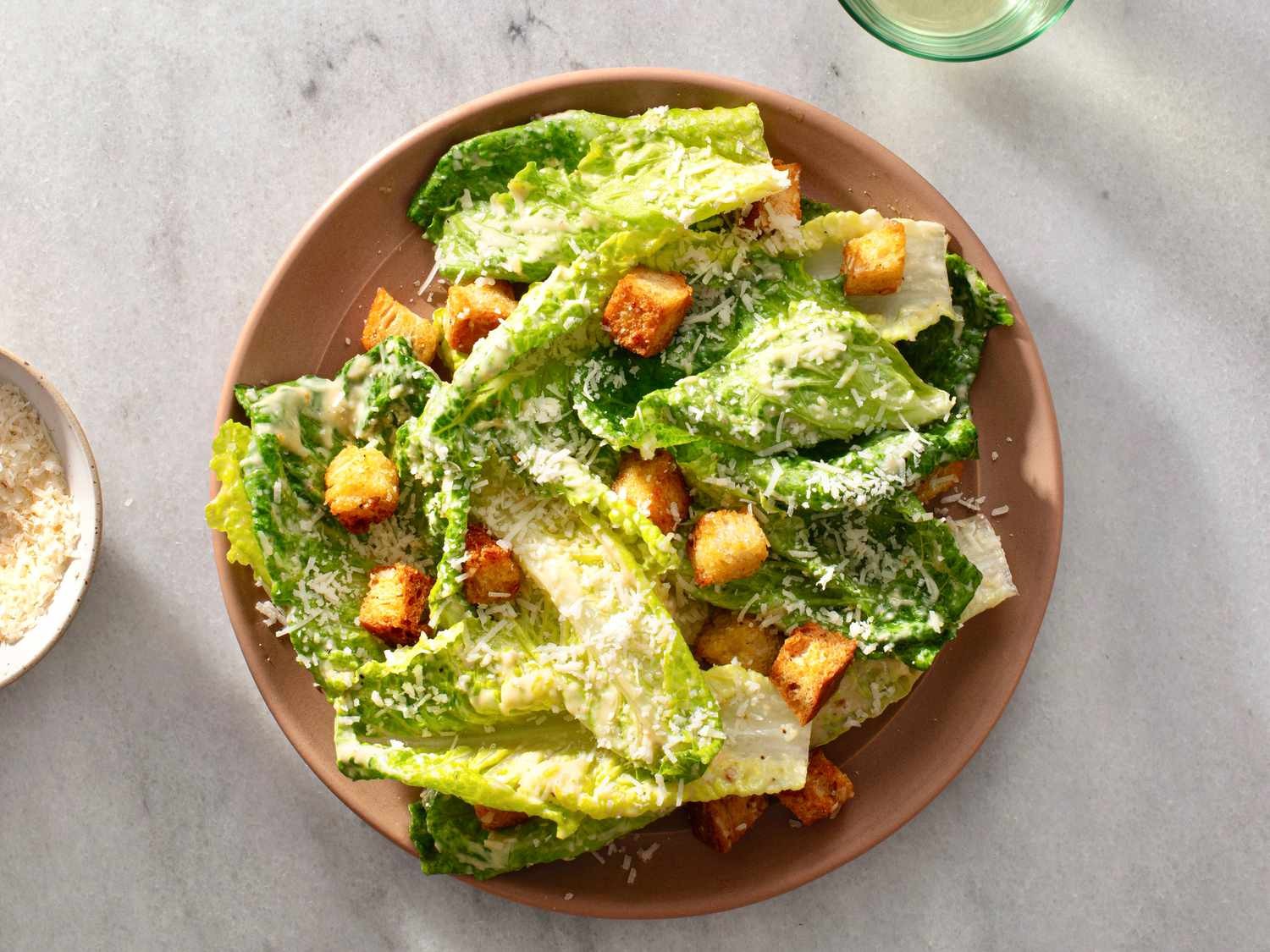
For too long, salads have suffered from a reputation for blandness. Yet, a thoughtfully crafted salad—crisp, refreshing, and bursting with flavor—is a culinary delight. The secret lies in understanding the wide world of greens beyond just iceberg and romaine. From true lettuces to bitter chicories and peppery leafy vegetables, knowing your options will elevate your salads from side dish to centerpiece.
What Defines a “True” Lettuce?
The term “lettuce” is often used broadly, but true lettuces belong to the Lactuca sativa species, part of the daisy family. Cultivated as early as 2600 BC in Egypt, lettuce traveled through Greece, Italy (where it was once believed to induce sleep), and finally arrived in the Americas with Christopher Columbus in the 1490s. Today, grocery stores offer a surprisingly limited range of varieties compared to their historical diversity. Despite perceptions of blandness, fresh lettuces can range from mildly sweet to subtly bitter and grassy, offering a delightful crisp texture. While primarily eaten raw in the U.S., sturdier types can even be grilled or braised—methods common in French and Chinese cuisine.
The Core Lettuce Varieties
Iceberg: The most widely grown salad green in the U.S., iceberg lettuce boasts large, tightly packed heads of pale green leaves. Its crisp, crunchy texture and high water content make it ideal for transport and creamy dressings. It’s the go-to for wedge salads, burgers, and street food, maintaining its shape even when halved or quartered.
Romaine: The second most popular choice, romaine is elongated with dark green outer leaves and lighter inner ones. Sales totaled $1.54 billion in 2023 alone. Crunchy, firm, and slightly earthy, it holds up well to thick dressings and is perfect for Caesar or Cobb salads. The hearts—tightly packed inner leaves—can even be grilled for a smoky sweetness.
Butterhead (Bibb, Boston): Known for its soft, velvety texture, butterhead is delicate and best tossed gently by hand. Bibb and Boston are subtypes; the former larger, the latter more petite. Originally from the Mediterranean, it’s a staple in French cuisine, served with light vinaigrettes or as a base for Niçoise salads. It also wraps fillings in Korean ssam and Vietnamese spring rolls.
Little Gem: An early-harvested romaine, little gem offers a sweeter, milder flavor because it’s picked before bitterness develops. Its leaves are crunchy yet tender, pairing well with zesty vinaigrettes, anchovies, or olives.
Beyond Lettuce: Exploring Chicories and Other Greens
While true lettuces are popular, don’t overlook the wider range of greens. Chicories, though related, belong to a different genus (chicorium ) and bring a pleasant bitterness to salads. Leafy vegetables such as watercress and arugula add peppery heat.
Chicories:
- Frisée: Feathery, bitter, and peppery, common in salad mixes or French salade Lyonnaise.
- Radicchio: Striking crimson leaves with a bittersweet flavor. Roasting or grilling brings out its sweetness.
- Escarole: Crisp, slightly bitter, ideal for braising in Italian soups or paired with fruit.
- Endive: Dense, crisp Belgian endive, perfect for scooping dips or paired with sweet and creamy elements.
Other Leafy Greens:
- Mesclun Mix: A convenient blend of baby greens (spinach, kale, arugula, romaine, radicchio) popularized by Alice Waters at Chez Panisse.
- Tatsoi: Native to China, this green is part of the bok choy family. It offers a mustardy flavor when raw and a sweet earthiness when cooked.
- Green Leaf & Red Leaf: Similar in texture, red leaf adds a hint of bitterness due to anthocyanins, the same pigment found in berries.
- Oakleaf: Delicate with a nutty flavor, pairs well with other greens and chicories.
Why This Matters
The modern American diet often prioritizes convenience over flavor. Supermarkets stock mostly iceberg and romaine because they ship well, not because they’re the most delicious. The decline in lettuce variety isn’t just about taste; it’s a symptom of a broader trend toward standardization in food production. By seeking out lesser-known greens, you’re not just enhancing your meals; you’re supporting biodiversity and rediscovering forgotten flavors.
Ultimately, the best salad is the one that excites your palate. Experiment with different greens, dressings, and mix-ins to create a balance of textures and flavors. A well-made salad isn’t just a side dish; it’s a celebration of fresh, vibrant ingredients.